What Happens If My Child Is Scarred In A Car Accident In North Carolina?
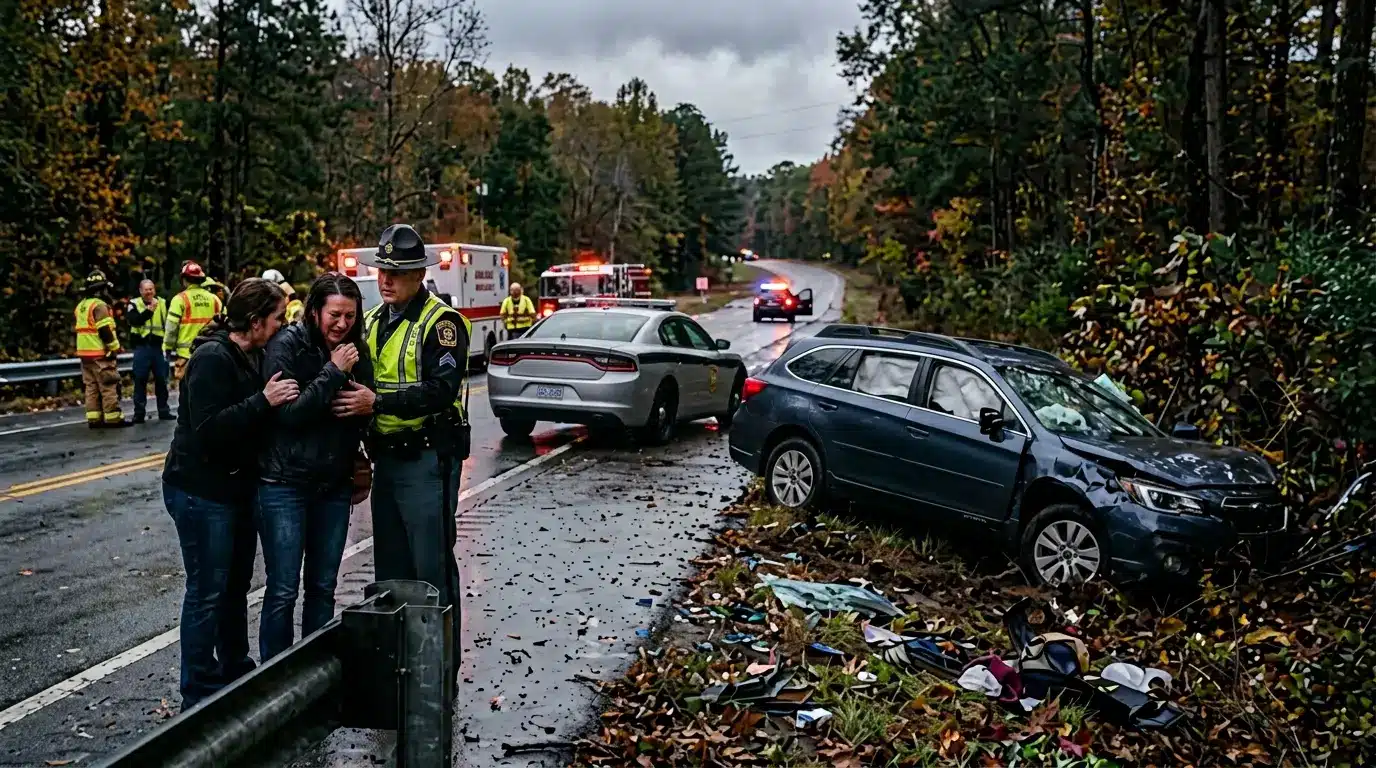
Key Highlights:
- If a child in North Carolina has a scar due to an injury, the scar could be used as evidence to support a serious claim for damages suffered by the injured minor child (for example, if the scar is permanent/visible/painful/emotionally damaging). For the minor, North Carolina child injury claim for scarring might include medical treatment (including future scar revision procedures), emotional distress, plastic surgery, pain, and suffering related to the scar.
- Scarring on the face can be especially valuable due to the effect it has on confidence/social life/school experiences/long-term self-image.
- In North Carolina, when minors settle their claims, their permanent scarring accident compensation must have court approval, and there is additional protection for minor settlements.
- To strengthen the minor’s case for damages due to scarring, parents can document the scarring process by using photographs, keeping medical records of treatment provided, obtaining opinions from specialists, keeping a journal of emotional changes experienced by the child after the injury, as well as how the injury has impacted their daily life since the injury occurred, etc.
In response to the question “What Happens if My Child is Scarred in a Car Accident In North Carolina?”, here is a brief answer: If someone else caused the accident, your child could have a negligence claim to recover damages for medical expenses to treat any physical injuries suffered by the child caused by the scarring, future care for any scars, emotional harm as a result of these injuries, and pain and suffering associated with the accident as well as forever altering their physical appearance, which would be described as permanent disfigurement in general terms.
In other words, when scarring occurs on a child’s body, it has very significant impacts that are much greater than mere “cosmetic” effects. In general terms, an attorney in North Carolina handling a child injury claim will look at the scar and evaluate how it will likely deform over time as the child matures or grows older, and also consider what medical professionals would anticipate in terms of the scar’s change after years of seeing the child, as opposed to right after the accident. In addition, any settlement involving a child will likely have to be approved by the court because North Carolina courts consider settlements for children to be given a heightened obligation of care in the approval process.
I am Robert Tatum, an attorney from the Tatum & Atkinson Law Firm, and I am proud to be a veteran-owned law firm providing legal assistance to families of children who suffer from scar-related and other injury claims arising from North Carolina auto accident claims for over 65 years. We have the knowledge and resources necessary to vigorously represent you.
Why Is Child Scarring Serious After A North Carolina Car Accident?
A child’s scar is more than an external physical wound; it has the potential to shape how he or she perceives themself as well. A scar can affect how a child feels when posing for a photo, walking into school, participating in sports, or responding to difficult questions from classmates.
Because of this, it is crucial to represent a child scarring car accident North Carolina as a result of a car accident or other negligence in North Carolina with special consideration. A small child may not fully comprehend the ramifications of being scarred; however, a teenager is likely to fully comprehend them.
According to North Carolina law, if a child suffers an injury that is the result of someone else’s negligence, they have the right to bring a personal injury lawsuit for damages, including pain, suffering, permanent injury, or loss of earning capacity.
The UNC School of Government also states that a minor may bring a negligence-related action for these and other damages through a representative.
What Types Of Scars Can Children Suffer After A Crash?
Children can develop scars from many things, including broken glass, being injured by a seatbelt or an airbag, cuts to the face, road rash, surgical repairs, deep lacerations, crushed body parts, or emergency surgeries. Some scars will remain flat, while others will develop thick, tight, stretched, discolored, or painful patches of tissue.
The part of the body that is scarred in a child disfigurement car accident can be on the face, neck, scalp, chest, arms, legs, hands, or joints. Facial scars tend to be more noticeable because it is very difficult to hide a scar on the face. However, if a child scars an area of the body that he or she uses to engage in sports, wear clothes, sleep, or have confidence, that will also affect how the child develops physically and emotionally.
Why scars can change as children grow
Children are still developing as they grow older. Skin can stretch, and bone can grow. A scar can appear to be stable today, but may change shape (widen, tighten, darken, fade unevenly, or become discolored) at any time. Some scars can also be itchy, burning, pulling, or have an impact on the range of motion.
According to MedlinePlus, scars are products of skin healing after an injury, and no scar is ever completely gone. This is very important in a child injury case, as taking into consideration the future may ultimately impact the child as much or more than the day of the first visit to the hospital.
How Do Doctors Evaluate Scar Severity?
Doctors should look at the size, depth, color, location, tenderness of the scar, thickness, and any restrictions of movement, as well as the likelihood of the scar improving. They should also evaluate whether the child requires dermatologic evaluation, plastic surgery, laser treatment, scar revision, counseling, and follow-up care over time.
Why specialist opinions matter
The doctor may have a record of the child’s injury, a plastic surgeon may explain possible future revisions, a dermatologist may describe potential treatments, and a counselor may write about issues that may be related to anxiety, embarrassment, or social stress.
For some children, the care of a scar will involve more than just one appointment. It may take months or even years. According to MedlinePlus, scar revision can improve or lessen the appearance of a scar revision that has occurred as a result of the injury or poor healing of the wound.
What Compensation May Be Available For A Child’s Scar?

Personal injury claim for child scars should consider more than just the costs associated with the emergency room visit because the value of the claim is based upon the scar, medical evidence, any anticipated future treatment, emotional well-being caused by the scar, level of pain associated with the scar, and the impact that the injury has on the daily life of the child.
Type of Loss |
What It May Include |
| Medical treatment | Emergency care, stitches, wound cleaning, surgery, and medication |
| Future scar care | Plastic surgery, dermatology, laser care, scar revision, and follow-up visits |
| Emotional harm | Anxiety, embarrassment, teasing, confidence changes, counseling |
| Pain and suffering | Pain, itching, burning, tenderness, sleep issues, and activity limits |
| Permanent disfigurement | Visible scar, changed appearance, movement limits, future effects |
| Parent expenses | Travel, missed work, co-pays, care coordination |
A facial scars injury settlement NC may vary from an injury with a concealed scar due to how appearance impacts self-esteem, academic performance, social and personal growth, and confidence for the rest of their life. Cosmetic injury compensation North Carolina claims may also involve the appropriate medical treatment to decrease the appearance of the scar, or increase the quality of function of the part of the body that incurred the scar.
Can Future Medical Procedures Be Included?
Yes, future medical treatment can be requested as part of a compensation claim where the doctor is able to explain the need for treatment. Examples may include laser treatments, scar revisions, plastic or reconstructive surgery, mental health counseling, visits to a dermatologist, or additional evaluations as the child matures. Children change, and the scars change as well.
Proof is essential in obtaining permanent scarring accident compensation from an insurance carrier. Insurers will typically not compensate based on speculation. Medical records, photographs, treatment plans, opinions from specialists, and future cost projections are required.
How Does Scarring Affect A Child Emotionally?
Visible scars can cause deep emotional trauma child accident injury, which may lead some children to avoid looking in mirrors and stop getting their picture taken. Many children try to hide their scars by using hats, clothes, makeup, or hair to cover the area. Children who experience a traumatic event may go through periods of silence, extreme anger, or act as though they are unaffected by the scar, but then show signs of emotional distress later.
This is all real.
The emotional trauma resulting from a child’s injury can manifest as fear, shame, sadness, exposure to bullying, anxiety, withdrawal, and low self-esteem. The child mental health programs available in North Carolina are aware that families and children may need coordinated behavioral health support through a systems of care approach.
What parents should watch for
Parents who are noticing these signs should take notice:
- For example, changes may occur in their child’s sleeping patterns
- They may no longer want to go to school
- Children may have become emotionally unstable or withdrawn or may now be afraid to be in a car or any of their favorite activities
- They may no longer want to go to school at all or be extremely hesitant to go out with family or friends, all signs that something may be bothering them.
A simple journal or notebook can help document the child’s behaviors and feelings. It doesn’t have to be anything fancy; it just needs to be honest and true.
Examples of what to write:
- “She would not go to soccer.”
- “He cried before the school pictures were taken.”
- “She asked me if the scar from the accident would ever go away.”
- These notes can make a real difference.
How Do Insurance Companies Evaluate Child Scarring Claims?
In most instances, the insurance companies have their priorities set as they tend to pay medical bills first when it comes to child scar cases. They may have reasons for doing this, such as that they may feel the scar is subject to fading, that the treatment was not necessary, or that the child doesn’t understand this matter due to their age and has not shown any emotional impact from it yet. They will also push for an early settlement before the scar completes its maturity.
There are risks associated with taking this approach. A North Carolina child injury claim should be examined from a long-range viewpoint. In 6 months, the scar may not appear the same as it does currently. A physician may wish to delay any revision until a child has had more time to grow older (such as school, sports, dating, etc.) and the emotional effects of the injury are understood through interactions with other people, where those are visible.
What Evidence Strengthens A Child Scarring Claim?
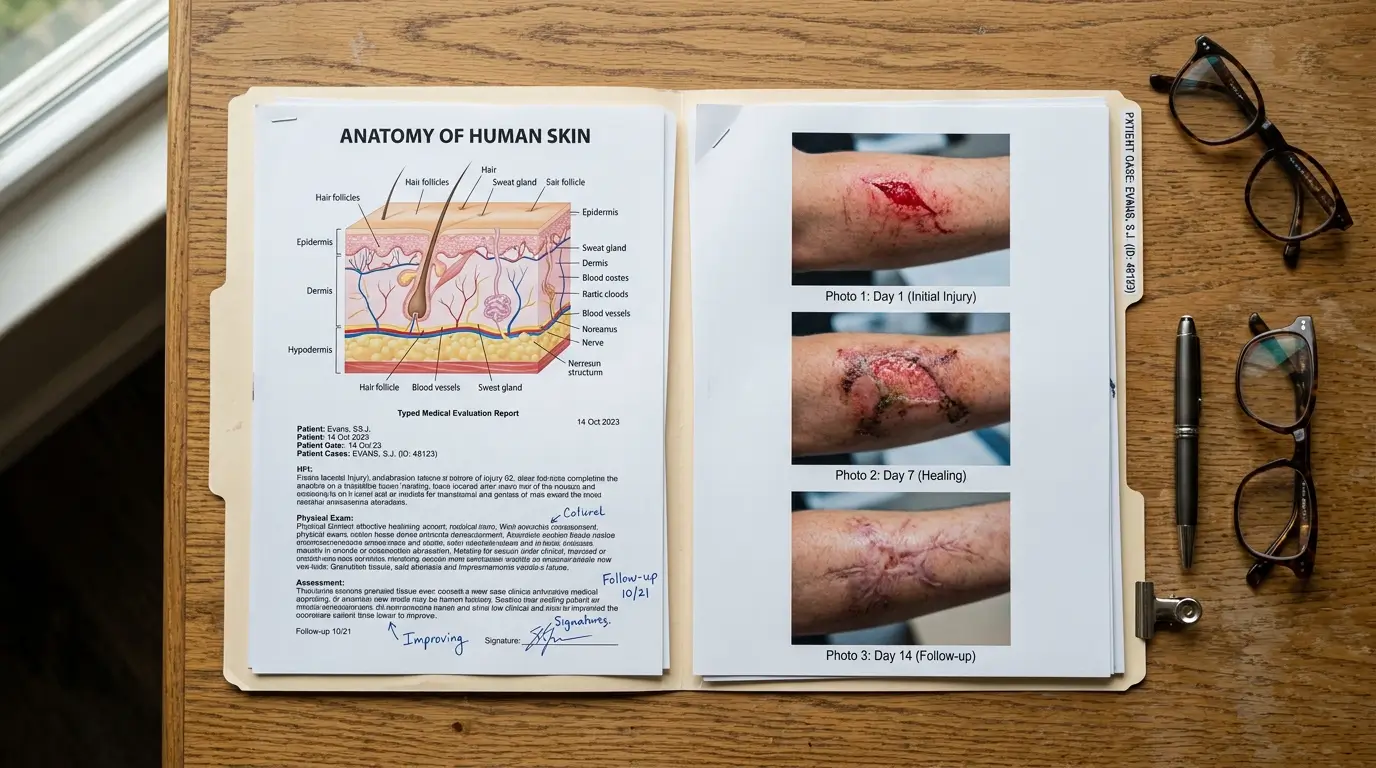
There is much concrete evidence of both the presence of a scar and how that scar will affect the life of the individual who sustained the injury. This includes:
- Photographs taken over time
- Medical record documentation
- Treatment plans
- Opinions from plastic surgeons
- Notes from dermatologists
- Records of therapy
- Changes in school
- And the observations of parents
- Witness statements
- Reports from the accident
- Photographs of the damaged car(s)
- Proof of activities missed due to the injury
- Out-of-pocket costs, and
- Doctors’ opinions regarding future care of the scar
Provide an abundance of strong evidence with which to substantiate a claim.
A pediatric accident injury lawsuit is not required in all cases. Many cases can be settled. However, should an insurance company not provide an appropriate value to the claimant’s scar, the presence of strong evidence will provide the basis upon which to support the claim.
How Does North Carolina Treat Settlements For Children?
You can create a minor’s estate through legal methods such as dependency, guardianship, or contractual obligations on behalf of the minor. An adult may enter into a contract in such a way that the minor is held accountable, whereas the adult can hold the minor accountable if the adult has received a benefit from the contract or if it is in the child’s best interests.
In North Carolina, the court may have to approve the settlement of the minor to protect the interests of the minor. According to the UNC School of Government, a child settlement is generally not enforceable against a child unless it has been reviewed and approved by a court.
This is significant in pain and suffering damages child injury NC, because the court will look to determine whether the child is receiving a fair settlement rather than merely the convenience of the insurance company.
What Are The Long-Term Effects Of Child Scarring?
Long-term effects of child injuries that continue long after the date of the accident. A visible scar can have permanent effects on a child’s self-esteem, mobility, or ability to participate in sports, as well as how they dress, sleep, interact socially, participate in school activities, and have mental health issues.
While some children adjust well to their injuries, others will continue to struggle as they grow older into adulthood.
A child with a visible facial scar may be asked about their injury for many years after it happens. A child with a tight scar near a joint may require therapy to help with mobility or potentially corrective surgery. A child with surgical scarring may continue to see evidence of their injury throughout the rest of their life.
Patience is crucial; claims for these injuries can take quite a long time before they settle.
When Should Parents Contact A Lawyer?
If a parent is aware of the possibility of a permanent scar, has a child that requires ongoing care, is receiving calls from the insurance company, is disputing fault, or receives an offer of settlement that appears to be made too soon, they should seek the advice of an attorney.
An attorney can assist in preserving all of the evidence related to the child’s case, tracking the child’s future medical care needs, assisting with the child’s insurance calls, and ensuring that the child’s claim is protected before evidence becomes unavailable, all while maintaining the child’s interests in North Carolina child injury cases.
In North Carolina child injury cases, there may be additional legal steps that need to occur prior to finalizing a minor’s settlement to protect the minor’s interests.
Talk To Tatum & Atkinson Law Firm About A Child Scarring Car Accident In North Carolina
Tatum & Atkinson Law Firm can assist your family with understanding your child’s options following scarring sustained from an automobile accident. Your initial consultation is free, and unless we recover money for you through settlement or judgment, you won’t owe an attorney’s fee. Please contact us at (800) 529-0804 for additional information.
FAQs: What Happens If My Child Is Scarred In A Car Accident In North Carolina?
Can scar severity change over time as a child grows?
A child’s scar can change as their skin and body develop, such as by increasing in width, becoming tighter or looser in texture, lightening in color, changing in color, or becoming more obvious.
Are facial scars treated differently from scars on other parts of the body?
Facial scars may be more emotional/social/cosmetic than other forms of scarring due to their visibility in day-to-day life.
Can laser treatments or plastic surgery be included in a claim?
Medically-supported future laser treatments, scar revisions, and/or plastic surgery may be included in a claim for injuries.
What if the scarring affects my child’s confidence or mental health?
The documentation of emotional state changes (mood), problems at school, bullying, inability to socially interact, counseling, and struggles on a day-to-day basis may represent emotional damage that could be part of a claim.
Do schools or social environments consider visible scarring as a disability impact?
Sometimes, the impact of the scar will be an issue based on how it affects all aspects of the victim’s functionality in society, confidence, mobility, learning, being bullied, and/or attending school.
