What Is A Spinal Cord Injury In North Carolina?
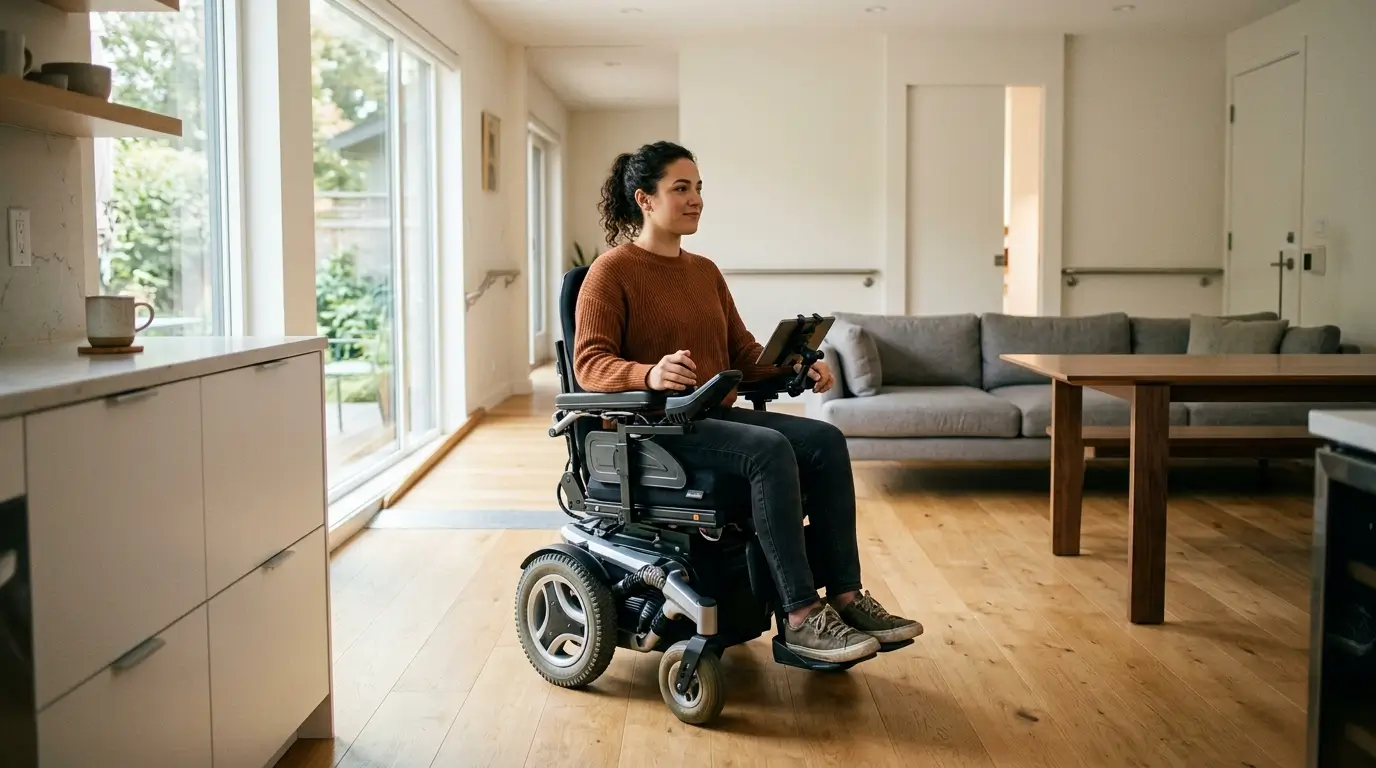
Key Highlights:
- What is a spinal cord injury in North Carolina? It is medically defined as an event that has caused trauma or compression to the spinal nerve bundle, resulting in a disruption of the brain’s primary communication pathway and life-changing, irreversible impairments.
- Most of the spinal cord injuries that are experienced result from another person’s or company’s negligent actions, such as those that occur in car accidents, on the job, or while on someone else’s property, giving the injured person the right to proceed with a lawsuit to seek compensation.
- The prognosis will vary based on the location of the spinal injury (i.e., cervical, thoracic, or lumbar) and the extent of the damage, which will heavily influence the degree of paralysis and the future care needed.
- In addition to the emotional impact on the affected individuals and their families, these injuries can be financially burdensome (often multi-million-dollar expenses for surgeries, rehabilitative care, and modifications to accommodate the injuries).
Damage to the spinal cord can dramatically alter the life of a victim in an instant. One moment, a person is driving home from work or riding a motorcycle on Interstate 40, and the next, their future is completely different. The NC spinal cord injury attorneys at Tatum & Atkinson Law Firm represent families throughout North Carolina in litigation and explain to the victim and their family what is a spinal cord injury in North Carolina, what to do immediately after the injury, and what possible sources for compensation exist. This article is designed to help with the medical aspects and legal parameters regarding spinal cord injuries in the state of North Carolina.
For more information or to receive a free case evaluation, contact our spinal cord injury lawyers at (800) 529-0804 today.
What Is A Spinal Cord Injury in North Carolina And Why Are They Among the Most Life-Changing Injuries
What is a spinal cord injury in North Carolina? A spinal cord injury occurs when there is damage to the nerves that run through the spinal canal as a result of physical trauma or compression. Since the spinal cord is the “main communication highway” of the body, damage at any point along this “highway” disrupts the transmission of signals between the brain and the body. Accordingly, a spinal cord injury in North Carolina typically will not just affect one area but will generally cause immediate, permanent loss of mobility, sensation, breathing, and bowel and bladder functions that will require a lifetime of care and restructuring of an individual’s life.
Sadly, most North Carolina spinal injury accidents occur as a result of someone else’s negligent behavior such as driving under the influence, defective ladders, or unmaintained stairways, and when these types of injuries occur, the law in North Carolina allows the injured party the ability to recover damages from the at-fault party if legal action is taken within the time period allowed by state law which is three years (North Carolina General Statute § 1-52).
Leading Causes of Spinal Cord Injuries Across North Carolina
Several major catastrophic events affect many of the state’s residents and their families. The most common causes include the following:
- Motor vehicle collisions: Major high-impact collisions involving all types of vehicles (car, truck, motorcycle, etc.) are very common on large state roadways such as I-95 or I-85 and tend to produce traumatic, life-changing trauma to the spinal cord.
- Falls: A landowner’s failure to keep a safe environment on their property is a common basis for serious slip and fall injury claims, especially with seniors falling on icy steps, broken sidewalks, or completely unsafe stairwells.
- Workplace accidents: Workers often suffer life-altering injuries due to a fall from heights, failure of equipment, or scaffolding collapse while working on a construction site.
- Sports and recreational injuries: Intense athletic sports (deep-water diving and high-contact sports) are another source of severe neck and spine injuries that can happen suddenly.
- Acts of violence: Acts of intentional harm, such as gunshot and stabbing, will result in a penetrating injury to the spinal cord and will disrupt vital spinal networks throughout the body.
In nearly all cases of traumatic spinal cord injury North Carolina, the injury happens because of preventable incidents. This is why identifying the responsible party is critical when pursuing a future injury claim.
How a Spinal Cord Injury Can Affect Movement, Sensation, and Independence
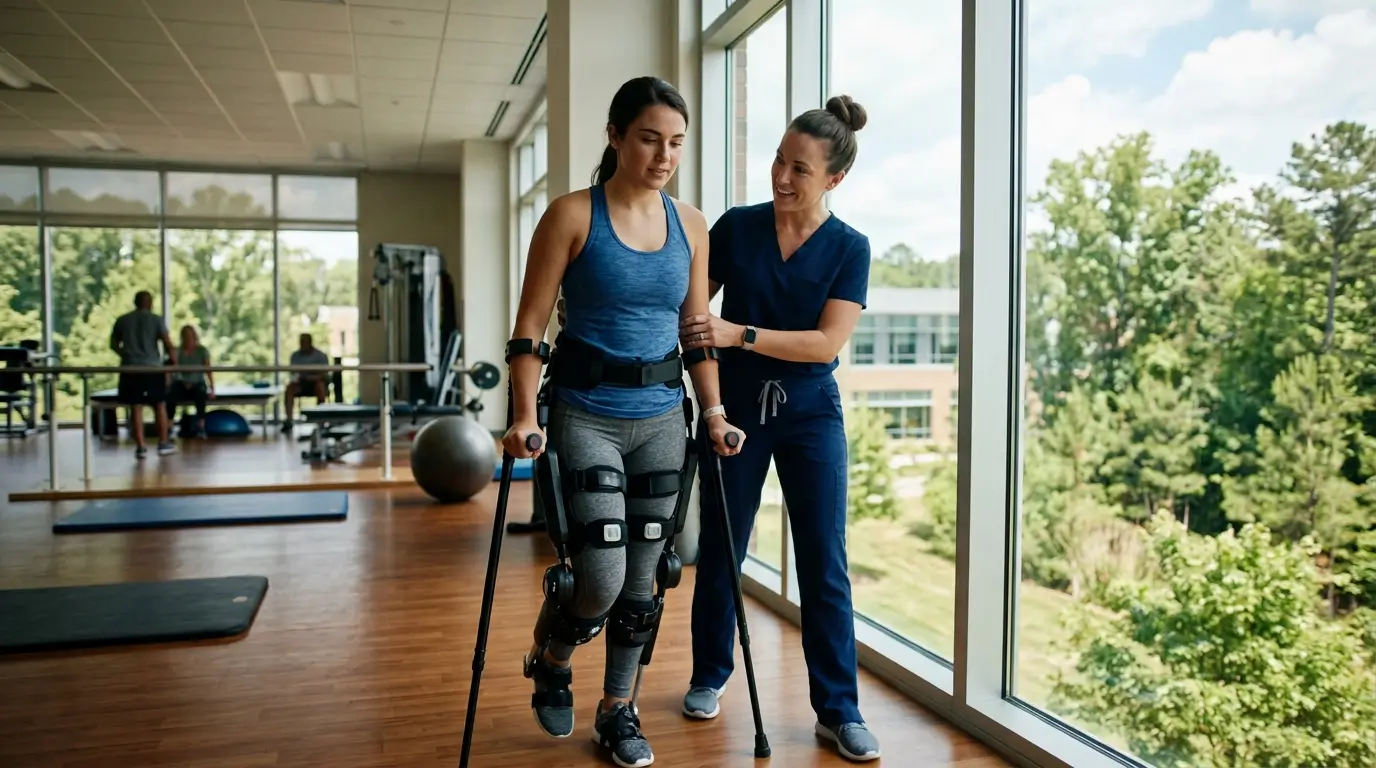
Individuals with back and spinal cord injuries North Carolina face consequences that go far beyond being in the hospital. Depending on the severity of their paralysis after accident NC, an individual might experience loss of all or some function of the arms and legs, numbness or chronic pain in the extremities, or paralysis as a result of accident-induced paraplegia or quadriplegia.
Individuals may also lose the ability to control their bladder and bowel function, have difficulty regulating their body temperature, and depend on others for assistance with daily tasks they were previously able to accomplish independently.
Early Warning Signs That May Indicate Spinal Cord Damage After an Accident
It is essential to identify spinal injury symptoms after accident NC, especially for accident victims in North Carolina, as early detection of an injury can reduce the chance of suffering from long-term complications. Signs of spinal cord injury may include:
- Loss of sensation (numbness and/or tingling) in your extremities
- New weakness in your legs, arms, or another extremity that appears very rapidly
- Incontinence or loss of bowel control
- Severe pain or pressure in your neck or back
- Inability to take a breath, or if your neck or back has an unusual twist
If someone experiences any of these spinal cord injury symptoms after an auto accident or fall, it is essential to seek medical evaluation immediately, regardless of how minor they may seem, as cases of severe spinal trauma NC can worsen without immediate intervention and diagnostic imaging.
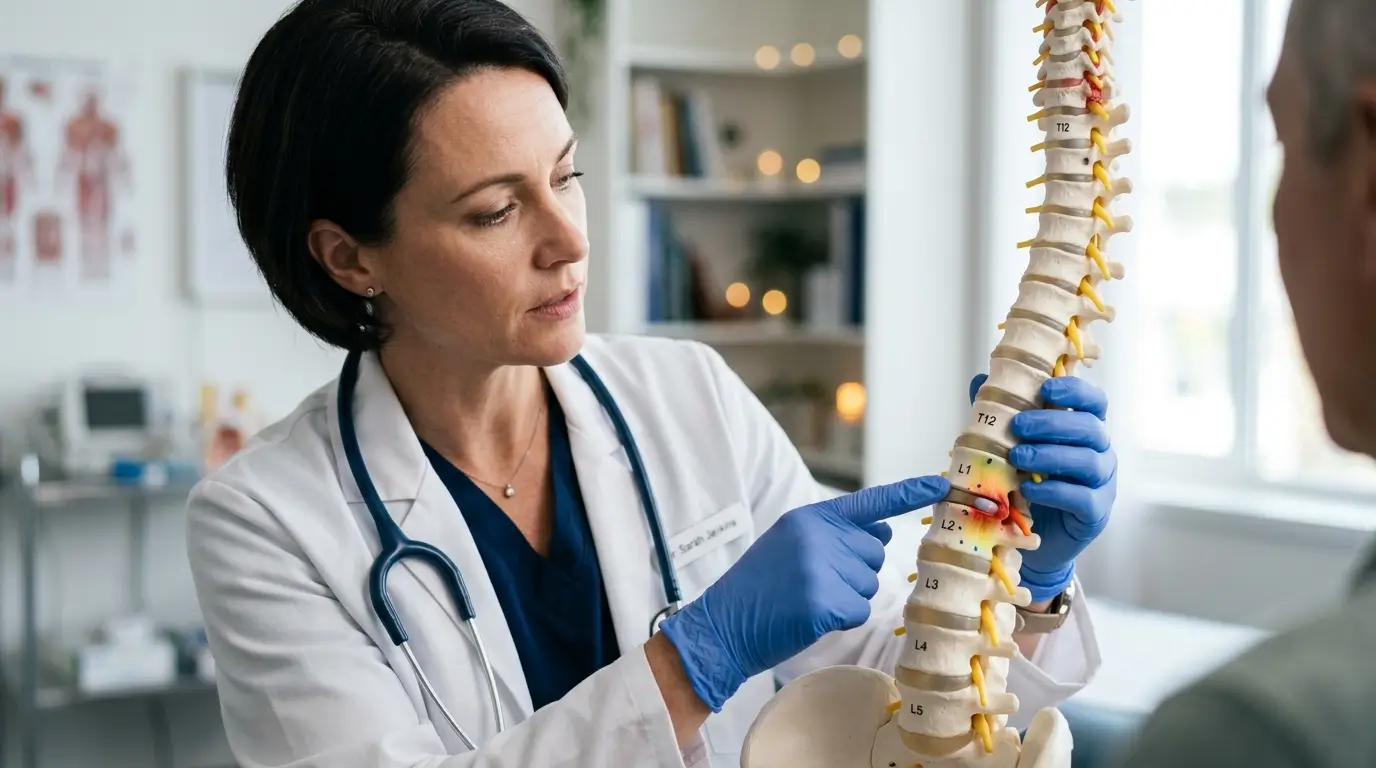
The Different Levels of Spinal Cord Injuries and Their Impact on Recovery
Spinal cord injuries are categorized by location and completeness:
- Cervical (neck) injuries produce the highest level of impairment, potentially impacting all four limbs and respiratory function.
- Thoracic (mid-back) injuries typically result in impairment of trunk and leg function while leaving arms functional.
- Lumbar and sacral injuries affect the hip, leg, and bladder functions.
- Complete injuries result in the loss of all ability to receive sensory or motor signals below the site of injury.
- Incomplete injuries retain some intact nerve signals and have some sensory or motor function remaining.
The type of injury sustained will define the prognosis and will largely determine the attorney’s valuation of what to include as part of a catastrophic spinal injury NC claim.
Medical Challenges and Rehabilitation for North Carolina Patients
Patients who survive a spinal cord damage accident North Carolina often have more than one surgical procedure performed on them. Patients undergo emergency stabilization surgery and prolonged hospital stays, and they also receive treatment for secondary complications, including bedsores, blood clots, pneumonia from respiratory failure, and chronic pain, to name a few. For the remainder of their lives, they may also require the specialized care of neurologists, urologists, and pain management doctors.
How Rehabilitation Helps Individuals Adapt After a Spinal Cord Injury
Spinal cord rehabilitation North Carolina programs are integral to the patient’s recovery process. Rehabilitation includes such services as physical therapy, occupational therapy, and assistive technology training, to the extent that these combined services allow a patient to regain their maximum level of independence possible. Rehabilitation will also address the patient’s need for mobility equipment, modifications to their home, and possibly retraining for a new job because they are unable to return to work.
The Long-Term Financial and Lifestyle Effects of Spinal Cord Trauma
Families affected by catastrophic spinal cord injury experience financial difficulties, emotional disruptions, and a lifetime of complex planning as they try to recover.
- The Lifetime Financial Toll: Medical and rehabilitation costs, renovations to a home for accessibility, care from professionals, and loss of work income add up to millions of dollars in costs incurred over time.
- The Household Burden: Families must change their homes to accommodate a dependent person, and this transition often leads to feelings of anxiety, depression, and grief for spinal cord injury survivors.
- Building a New Normal After a Spinal Cord Injury in North Carolina: The process to adapt to living after a spinal cord injury NC is a gradual process. However, there are ways that individuals can create a meaningful, independent lifestyle, yet the financial responsibility to do so will typically exceed the available insurance benefits for spinal cord injury.
How Tatum & Atkinson Helps North Carolina Spinal Injury Victims
A knowledgeable and experienced trial lawyer who has handled both the legal and medical aspects of spinal cord injury cases leads our law firm. We will thoroughly investigate and evaluate your case by working with your treating doctors, life care planners, and economists.
Our team will collect and develop a comprehensive picture of what you will need to live for the rest of your life if you have suffered a spinal cord injury. From that information, we will pursue every avenue available for you to receive compensation, including claims against the at-fault driver’s insurance as well as third parties who may also be liable.
Every spinal cord injury case we handle is done on a contingent fee basis; meaning that there is no cost to you unless we collect money on your behalf. We offer a free consultation so you can see what your legal options are without risking any money.
Talk to a North Carolina Spinal Cord Injury Attorney Today
You don’t have to go through the process of understanding what is a spinal cord injury in North Carolina alone.
At Tatum & Atkinson Law Firm, our experienced attorneys have the medical expertise and trial readiness necessary to ensure that you receive fair and complete compensation on your behalf.
Contact us today by calling (800) 529-0804 for your free consultation. Remember, if we do not win your case, then you owe nothing.
Frequently Asked Questions!
Can a spinal cord injury worsen if treatment is delayed?
Yes, a delay in treatment can allow the swelling, bleeding, or instability to worsen the nerve damage and, ultimately, the extent of the injury, potentially transforming an incomplete spinal cord injury into a much more severe or permanent loss of function over time.
Are younger individuals more likely to recover from spinal cord injuries?
Younger patients tend to recover better than older patients because of their overall health and the ability of their tissues to repair themselves. Injury severity, location of the injury, and the speed at which treatment is provided play a greater role in recovery than age.
Can spinal cord injuries affect mental health?
Yes, many people have developed depression, anxiety, and post-traumatic stress (PTSD) due to the adjustment to physical limitations, lifestyle changes, and loss of independence that accompany their injuries. Therefore, mental health services must be part of comprehensive recovery from a spinal cord injury.
Do all spinal cord injuries require the use of a wheelchair?
A wheelchair may not be necessary for patients with incomplete spinal cord damage, who may learn to walk independently or regain functional ability as time passes. Complete spinal cord injury patients are more likely to rely on a wheelchair for movement.
What support resources are available for spinal cord injury patients in North Carolina?
Spinal cord injury patients in NC can access rehabilitation options, such as vocational rehabilitation programs and state-supported assistance services, while support groups are also available to them. An attorney will help a patient identify their legal options through a personal injury claim and help find financial funding for their care.
