Long-Term Effects of Traumatic Brain Injury (TBI) in North Carolina
Key Highlights:
- The long-term effects of traumatic brain injury (TBI) in North Carolina don’t follow a predictable pattern of healing; rather, they continue to worsen with the passing of time and result in increased cognitive and physical impairment.
- Changes in behavior and personality cause alterations in the daily lives, finances, and roles of the family of the TBI survivor, as families are put in the situation of having to develop new caregiving roles.
- Specialized rehabilitation programs and long-term care management are significant financial obligations that will last throughout the survivor’s lifetime and place a great burden on the family.
- If the survivor has any contribution or joint fault for the accident, North Carolina’s contributory negligence rule completely prohibits the recovery of damages, and as such, it is vitally important that all survivors of TBI seek out legal representation early to obtain legal advice regarding their rights.
A serious blow to the head does not end after the swelling goes down or the hospital releases the patient from its care. For many North Carolina families, this is when the real work begins. The long-term effects of traumatic brain injury (TBI) in North Carolina may become apparent weeks, months, or even years following the injury. These changes affect mood, thought processes, and work performance, while also damaging their ability to connect with the ones they love. Life with TBI victims can be challenging for the victims as well as their families.
At Tatum & Atkinson Law Firm, our North Carolina brain injury attorney and support staff have spent years working with families facing this long-term crisis and want to help you get ready for what lies ahead by providing information about your possible future and the legal alternatives available.
For more information, contact our personal injury lawyers at (800) 529-0804 today and receive a free case evaluation.
Long-Term Effects of Traumatic Brain Injury (TBI) in North Carolina
TBIs don’t act like other kinds of injuries, like broken bones, that heal in a certain timeframe. Brain tissue will heal at different rates, and the long-term effects of traumatic brain injury in North Carolina may be quite different as the brain resolves swelling, scar tissue forms, and the brain works to reroute function around damaged areas.
How Symptoms Evolve
Survivors may develop symptoms that were considered to be minor during an emergency room visit but later develop into severe TBI consequences NC, such as:
- Seizures
- Changes in vision
- Personality changes
The Importance of Ongoing Care
To understand the long-term effects of traumatic brain injury in North Carolina, it is essential to have continuous monitoring of the individual rather than a single follow-up appointment.
Legal Awareness Note
As per North Carolina’s contributory negligence rule, if an injured party is found to be even 1% at-fault for their injury, they may be completely barred from recovering damages even if these injuries are severe. Therefore, as with early medical attention, early legal assistance is indispensable when pursuing compensation for a TBI.
Physical and Cognitive Changes That Can Last a Lifetime
A brain injury can dramatically alter a person’s life and the lives of family members, and it rarely follows a predictable pattern, creating lasting, invisible changes for both the survivor and their family.
Permanent Physical Effects
Many people who survived a traumatic brain injury (TBI) in North Carolina still report various permanent physical effects, including ongoing headaches, dizziness, and fatigue that cannot be resolved with rest. These are common permanent effects of brain injury NC. In addition, many people who have sustained a TBI have developed other permanent physical conditions like light sensitivity, impaired balance, and/or altered senses, as well as functional changes that make driving or grocery shopping impossible.
Long-Term Cognitive Impairment
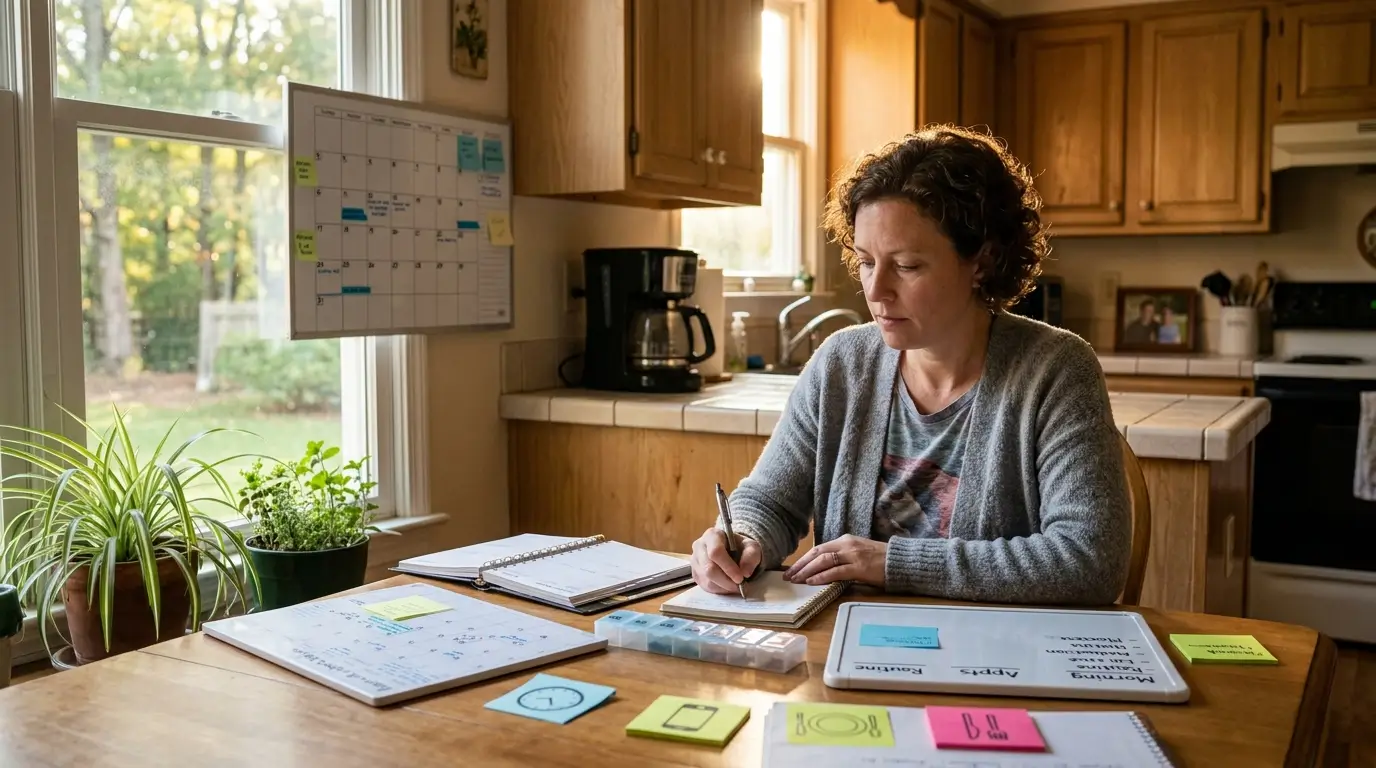
Cognitive impairment after TBI NC includes short memory lapses, difficulty concentrating, slower processing speeds, and difficulty doing multiple tasks at once. This may result in a survivor’s inability to follow written recipes, create and maintain budgets, or schedule all their medical appointments.
Emotional and Behavioral Effects of TBI And Its Impact on North Carolina Families

One of the greatest challenges faced by families and caregivers due to brain injury is coping with the emotional and behavioral changes in their loved ones. Severe damage to the frontal lobes (the part of the brain responsible for impulse control) can lead to a significant and often irreversible shift in personality.
- Emotional and Behavioral Shifts: The most common emotional effects of traumatic brain injury in the survivor include depression, anxiety, irritability, and mood swings that appear out of nowhere. The survivor may become more short-tempered, impatient, or emotionally withdrawn, causing stress to even the best relationships.
- Impact on the Household: The behaviors of the survivor will affect the everyday lives of family members throughout the household in ways never experienced before. Spouses instantly become caregivers instead of equals; children must learn how to relate to their parents, plus the parent who is no longer a viable source of support.
- Restructuring Family Life: Referring to the adjustment period families face after a TBI as “different” leaves a great deal out of the true experience of re-establishing the family on a completely new basis. Life after a TBI North Carolina requires an adjustment that involves an entire restructuring of the roles, work schedules, household finances, and future expectations for all those involved.
TBI Rehabilitation & Long-Term Care Options in North Carolina
Although not all survivors will need the same amount of support following their traumatic brain injury, many North Carolina survivors who have sustained a traumatic brain injury will need long-term rehabilitation that continues long after they have left the hospital.
Local Rehabilitation Programs
There are many brain injury rehabilitation North Carolina programs located at some of the larger medical centers in Charlotte, Raleigh, and Winston-Salem, NC. Most of these programs can last anywhere from several months to many years, depending on the type of therapy the patient will be receiving. The focus of these programs is to help the survivor achieve their full potential by providing support for:
- Physical Therapy: Focuses on rebuilding physical strength, improving mobility, and developing core balance.
- Occupational Therapy: Focuses on helping the survivor to relearn how to take care of themselves, perform their daily activities, and become more independent.
- Speech-Language Therapy: Focuses on helping the survivor with complicated communication issues and swallowing difficulties.
Recognizing Medical Complications
Not all of the neurological damage after brain injury NC will show up on an initial imaging exam, and some deficits won’t show up until the survivor resumes their prior daily and occupational responsibilities. This is why traumatic brain injury recovery North Carolina doctors emphasize the importance of early, consistent treatment to monitor for traumatic brain injury long-term complications NC. Some complications doctors regularly see include:
- Neurological Risks: Developing post-traumatic seizures or having an increased chance of developing dementia at an early age.
- Systemic Disruptions: Severe hormone imbalances and chronic trouble sleeping.
- Latent Deficits: There are cognitive changes that only become apparent when performing the day-to-day responsibilities of life.
Long-Term Care and Financial Planning
Families face a significant financial burden when it comes to long-term care for TBI patients North Carolina. The heavy cost associated with this is one reason that North Carolina law allows injured persons to seek compensation for estimated future medical needs, as well as rehabilitation and home care, beyond those already paid by your health insurance for emergency room visits.
The family of a TBI survivor often needs to coordinate multiple support services for the patient:
- Medical Supervision: Arranging for 24/7 in-home nursing or specialized assisted living facilities.
- Care Coordination: Utilizing professional case management to help navigate a complex schedule of medical visits/reviews.
- Daily Support: Finding a permanent arrangement for supervision to ensure ongoing safety and well-being.
How a TBI Can Affect Employment and Financial Stability
Simply stated, the experience of returning to work after an injury can vary widely from person to person. Depending on how severe a survivor’s injury was, their ability to do their job may still be impaired; for example, some people who have had a concussion will be able to perform their job, while others will end up unable to work at all because of either cognitive problems or difficulty handling stress.
In North Carolina, many people who return to work following a concussion are put on modified duty (doing a different job for lower pay) or not allowed to return to work at all. In most cases, vocational rehabilitation and economic experts will evaluate lost earning potential on behalf of individuals with concussions as part of their claim, covering both theoretical future earnings and past earnings lost during recovery.
How Tatum & Atkinson Law Firm Can Help North Carolina TBI Survivors
A comprehensive legal strategy that is supported by clinical documentation can be used to prove the long-term effects of traumatic brain injury (TBI) in North Carolina.
- Our legal team utilizes a systematic method to build a TBI case, in much the same way that a physician builds a treatment plan, by obtaining important testimony from neurologists, long-term care planners, and vocational experts in order to properly document the case.
- Our law office charges a contingency fee only, meaning you only pay if we successfully recover money for you, so there won’t be any upfront costs associated with your pursuit of justice for your family.
- Families considering their options for recovery under the North Carolina personal injury statute can contact our office at (800) 529-0804 for a free consultation.
Talk to a North Carolina TBI Attorney Today
The recovery process after a brain injury is generally not straightforward, and the same applies to the legal process that follows. The long-term effects of traumatic brain injury (TBI) in North Carolina can impact all aspects of a survivor’s life for many years (even decades) following the accident that caused their brain injury.
You do not have to go through this process alone by reviewing medical records, dealing with insurance problems, and facing an uncertain future. The team at Tatum & Atkinson Law Firm is here to help you evaluate your situation, explain your legal options in North Carolina, and pursue compensation your family may require for the future.
Contact us at (800) 529-0804 for a free initial consultation; we cannot charge you anything unless we win your case.
Frequently Asked Questions!
Can the effects of a traumatic brain injury change years after the initial accident?
Yes. As neural pathways change through time, brain injuries can progress as scarring occurs. Years later, survivors may experience new symptoms or the exacerbation of previous ones, such as memory loss, seizures, and mood changes, so monitoring and follow-up are critical.
Are children affected differently by long-term traumatic brain injuries?
Yes. Due to the developmental stage that they are in, a TBI can adversely affect their ability to learn, behave, and interact socially as they grow. Effects of the injury may not be completely realized until later on, during key developmental years.
Can a traumatic brain injury increase the risk of other health conditions later in life?
Yes. Research shows that TBI survivors face a higher risk of seizure disorders, depression, hormonal imbalance, and early-onset dementia. Ongoing medical follow-up and assessments will allow for the identification of complications before they result in long-term health effects.
Do all traumatic brain injuries result in permanent disabilities?
No. Many mild TBIs will fully resolve with appropriate medical treatment and rest. Moderate to severe TBIs can leave an individual with long-term consequences (physical, cognitive, and emotional), requiring the individual to receive rehabilitative continuing medical care and family support over the long term.
Can family members receive support while caring for someone with a long-term TBI?
Yes. In North Carolina, caregiver support groups, respite care, counseling, and case management services are available. Legally, claims may also be made for family member caregiving costs as well as any future costs of caregiving needs.
