How an Open-Book Fracture Happens in a North Carolina Motorcycle Accident
Key Highlights:
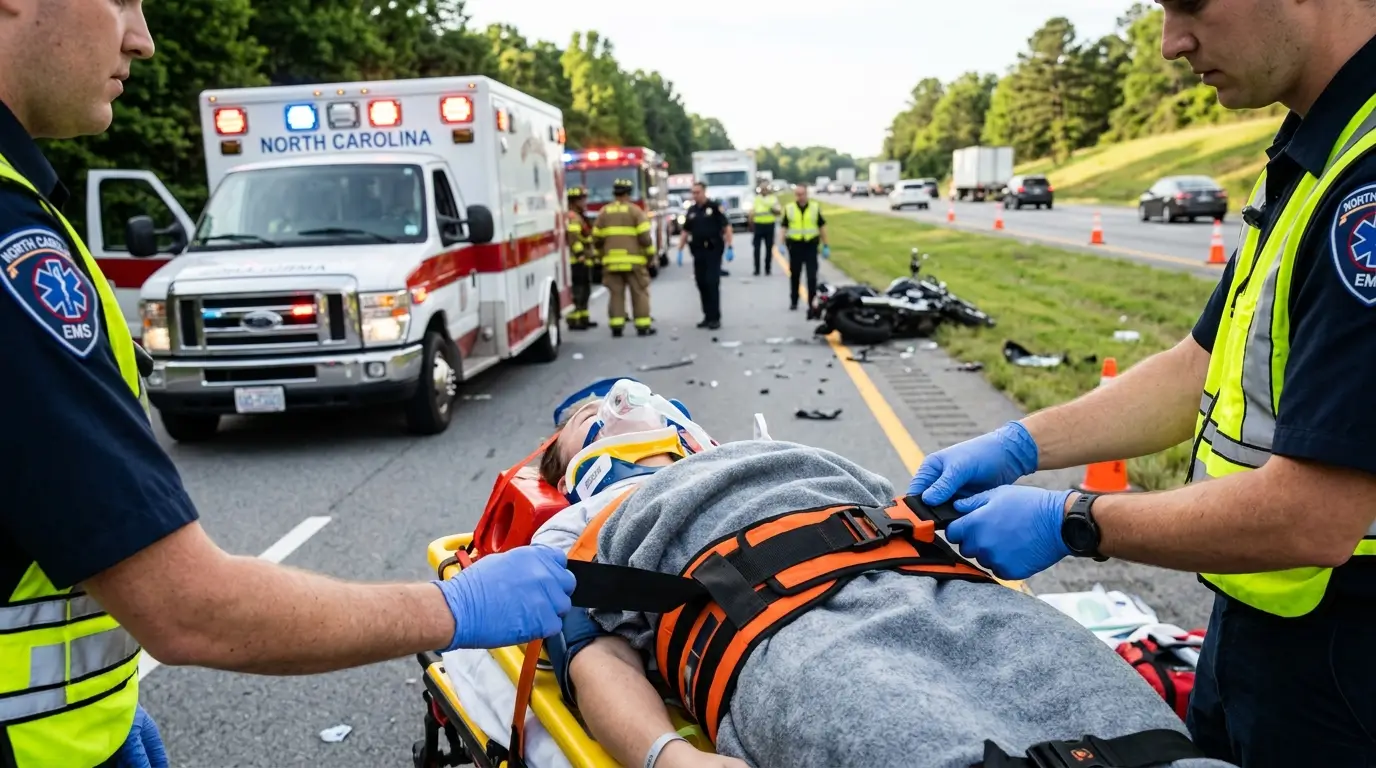
- Wondering how an open-book fracture happens in North Carolina motorcycle accident? An open-book fracture refers to a serious pelvic injury that completely separates the front sides of the pelvic ring.
- Usually, these fractures are caused by a very large force, such as the force produced in a motorcycle accident.
- Massive internal bleeding is often one of the most dangerous things that can happen initially and can be fatal, often due to a lack of required blood volume.
- Treatment generally will require emergency stabilization, surgery, and several months of rehabilitation or recovery.
- An open-book fracture is considered to be one of the more severe types of pelvic injuries and typically results in some type of long-lasting, possibly permanent disability.
- Riders from North Carolina are barred from recovery if the percentage of their fault is 1% or greater.
An open-book fracture is a severe injury resulting from an external force or impact that separates the pelvis in a violent manner and causes serious problems, such as significant internal bleeding, damage to vital organs, and loss of mobility, work ability, and quality of life.
To effectively establish a claim, it is important to hire experienced attorneys such as Tatum & Atkinson Law Firm, where our NC motorcycle accident lawyers help you understand how an open-book fracture happens in North Carolina motorcycle accident, what will be involved in your medical recovery, and how your injuries will affect your financial compensation.
If you were injured due to an open-book fracture, please contact an experienced North Carolina motorcycle accident attorney at (800) 529-0804 for a free case evaluation.
How An Open-Book Fracture Happens in North Carolina Motorcycle Accident
Here is how open-book pelvic fractures happen and why they are so dangerous.
Pelvis Is A Ring
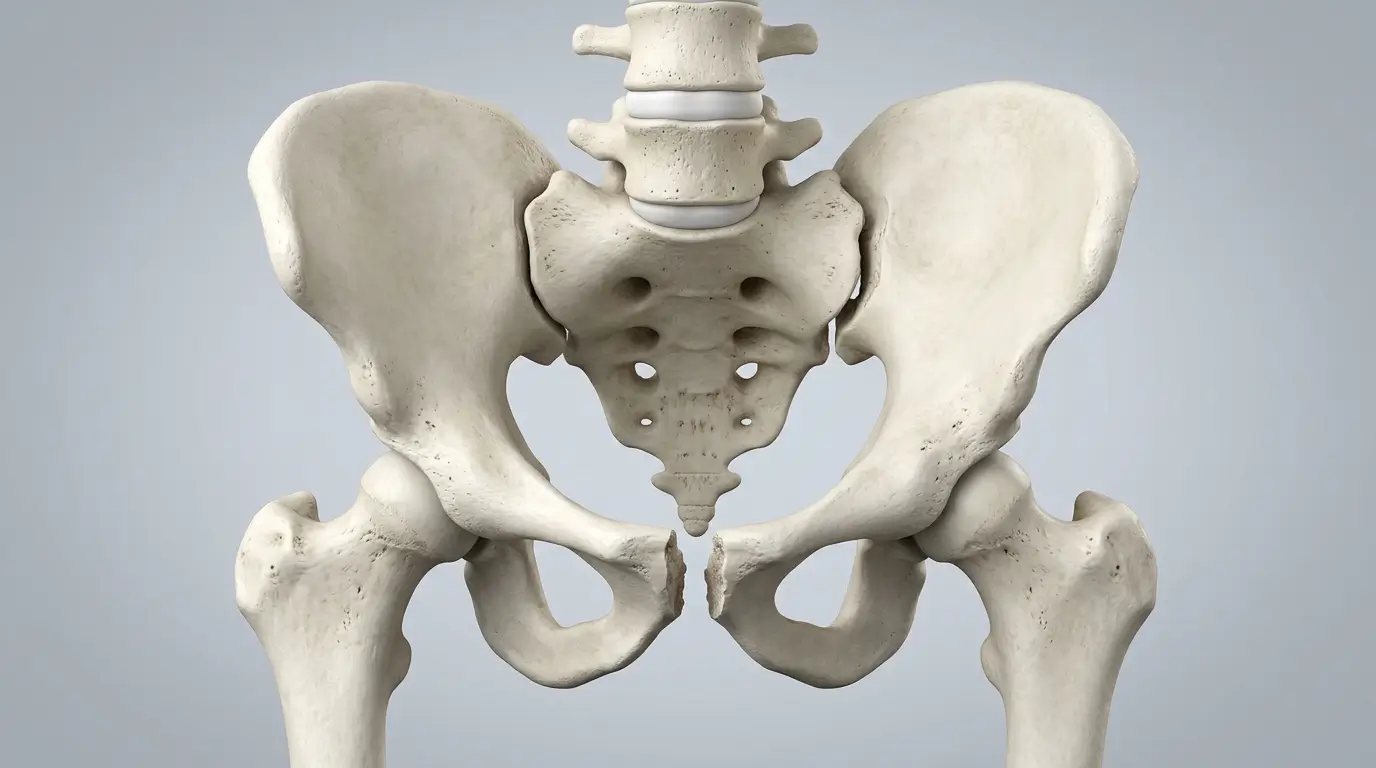
The human pelvis forms a ring of bony structure that consists of two “hip bones” (also known as coxal bones or innominate bones), which are connected posteriorly (to the sacrum) and anteriorly at the pubic symphysis. The weight of the body passes through this ring onto the legs and protects the organs, nerves, and large blood vessels that are housed inside the pelvis.
The Ring Opens Up
When force is exerted front to rear (an ‘open-book’ fracture occurs), it opens up at the front (pubic symphysis diastasis) and separates where the sacrum meets either hip bone, the end result being an unstable pelvis that will no longer hold your body together properly.
Why Is This So Dangerous
Pelvic ring injury exposes many large veins and arteries that, if torn, would lead to substantial internal bleeding. The blood loss, not the actual bones broken, is what makes these injuries life-threatening during the first hours.
Why Motorcycle Crashes Cause Open-Book Fractures

The absence of safety measures like a seatbelt or air bag in motorcycle riding means that riders can be very vulnerable when a collision occurs. The body is the only part of the rider that absorbs the impact of the crash, and therefore, crashes very directly hit the pelvis.
The Force Goes Straight to the Pelvis
Fractures of the pelvis resulting from a compressive force can be caused by crashing your motorcycle into another vehicle (head-on), hitting against the motorcycle’s gas tank or handlebars, or falling forward off the bike onto the ground. Each of these actions has a force applied to your pelvis in the wrong direction.
Common Crash Patterns
Typical collision patterns in N.C. include an automobile turning left in front of a motorcyclist, an automobile driving into a motorcycle head-on, and either a motorcycle rider being thrown off their motorcycle and onto the ground or being run over by another motor vehicle. Collision patterns vary by location, but they are typically found on major highways (e.g., I-40 and I-440) and within rural areas of the Piedmont region.
Symptoms and Emergency Warning Signs
Severe pain in the groin and pelvis, inability to walk or perform activities involving weight bearing, swelling, or bruising throughout the hips, and the sensation that the pelvis has become loose or unstable. These are all indicators that a person has sustained an open-book fracture and should be treated as such.
The most serious risk involved with an open-book fracture is internal bleeding; therefore, other emergency signs include: dizziness, fast heart rate, pale or cool skin, or blood in urine. Anyone presenting these signs should be treated by a trauma facility as soon as possible; time is critical.
Diagnosis and Emergency Treatment
Severe injuries to the pelvis require a serious medical procedure that typically includes three steps: diagnosing the damage as soon as possible, stopping any deadly internal bleeding, and performing surgery to fix the skeleton.
How It’s Diagnosed
The first tool to diagnose an injury is a front-to-back (AP) pelvic X-ray. This will show the obvious widening of the front of the pelvis. A CT scan, such as CT angiography, will give a more detailed view of the entire pelvis and help in identifying the areas of ongoing bleeding.
Stabilizing the Bleeding First
Compression of the pelvis is done by using a pelvic binder on the hips to control bleeding through compression or closure of the pelvis. Fluids are given, transfusions are administered, and in some cases, surgeons must operate on or occlude the bleeding artery to stop the hemorrhage before resuming normal care.
Surgery to Rebuild the Pelvis
Reconstructing the pelvis is achieved by placing external fixation (pin/screw into the bone; attach to an external frame) and usually also performing open reduction and internal fixation of the bones using plates and screws. Most patients require both external and internal fixation for stabilization.
Recovery, Rehabilitation, and Long-Term Complications
Rehab takes months to complete. You have to start by doing as little weight-bearing as possible; then you get into doing therapy to build back your strength and learn how to walk again. Even after all of this, many people are never able to get back to the way they were before their accident. This includes an individual’s ability to do everyday activities.
Complications That Can Last
Open-book fractures frequently leave chronic pain or nerve injury, may injure the bladder or other organs, cause you to come back to a pelvis that is incorrectly aligned; additionally, you may develop post-traumatic arthritis or experience permanent limits on your range of motion. The result could be a lifetime of disability.
The Impact on Work and Daily Life
Most jobs will be impossible to perform with a lower extremity injury (whether standing, lifting, climbing, or sitting long hours in the same position to drive). But there are also many ways that the loss of mobility affects you outside the workplace. For example, your ability to do everyday chores, engage in hobbies, and experience intimacy can take years to recover and may never fully recover.
What This Means for a North Carolina Motorcycle Claim
In an open-book pelvic fracture North Carolina sustained while riding is a life-changing injury; thus, it necessitates a strategic legal approach. Due to the very tough laws against injured riders within North Carolina, it is imperative to have detailed knowledge of how to create and defend against these types of claims.
- The Weight of Future Costs: The cost of a catastrophic motorcycle injury is not measurable until after the event occurs. Your motorcycle crash pelvic injury claim must include the costs of a lifetime of surgeries, continuing therapy, specialty long-term trauma care, and the impact caused by decreased earning capacity.
- Defeating the 1% Fault Rule: In North Carolina, contributory negligence is strictly adhered to. Therefore, if the insurer can demonstrate that you were at least one percent responsible for an accident, your claim will most likely be denied. Moreover, since adjusters and investigators have a tendency to show anti-motorcycle bias in their investigations, it is very important for you to be able to demonstrate that you were not at fault for the accident that resulted in your injuries.
- The Power of Medical Documentation: Claiming a successful case will require irrefutable evidence supporting your case. Your case should include trauma assessments, imaging of any surgical procedures you may have had performed for your injury, expert opinions regarding your permanent disability, and an economist’s report documenting wages lost due to the inability to work throughout your lifetime.
- Damages You Can Recover: You have the right to seek the maximum amount of damages available for your past and future medical expenses, lost wages, pain and suffering, and disfigurement. In cases where someone is killed, surviving family members shall have the right to pursue a wrongful death action against those responsible in order to obtain justice for their loved one.
How an Attorney Builds a Catastrophic Injury Claim
To prevail in a pelvic-injury accident case, a plaintiff must establish two elements: the other driver’s responsibility for causing the accident, and the estimated cost of living with the dysfunction associated with the pelvic injury for the remainder of the rider’s life.
Because of these critical components, an experienced attorney will quickly take steps to secure important evidence such as the scene and rider’s medical records, and will arrange for a life care planner and appropriate surgeons to document the future or permanent nature of the injury, and costs associated therewith, while preventing the insurance company from placing any portion of liability on the rider (even if it is 1%).
In our experience, the most significant difference in these cases is constructing the future cost of the injury as soon as possible and stopping the insurance company’s efforts to argue 1% contributory negligence. The Heavy Hitters get both accomplished.
Suffered a Pelvic or Open-Book Fracture in a North Carolina Motorcycle Crash? Talk With Tatum & Atkinson
After you sustain a major pelvic injury, your entire life can change, and you may accumulate numerous medical expenses while trying to heal. When dealing with the severe consequences of how an open-book fracture happens in North Carolina motorcycle accident, you don’t have to handle this difficult legal matter on your own.
Tatum & Atkinson has been protecting injured North Carolinians since 2006 from our Raleigh office and across the state. The Heavy Hitters help with serious injuries such as open-book fracture motorcycle accident, help you overcome bias against riders that isn’t fair, and fight against North Carolina’s strict 1% fault law, so that you receive all costs associated with your lifetime recovery. We only get paid if we win your case, so you’ll pay us nothing up front.
Get the compensation you need to recover by calling Tatum & Atkinson today at (800) 529-0804 for a free consultation.
Frequently Asked Questions!
Is an open-book fracture considered a catastrophic injury?
Yes. It is often a life-threatening injury to the pelvis, resulting in a long-term restriction on activities and possibly requiring multiple surgeries. These injuries often result in large medical bills and continued loss of income from the time of the injury until they have healed.
The insurer says I was partly at fault. Can I still recover?
In North Carolina, you can be barred from collecting damages if the injured party is even 1% at fault. The insurance company often tries to blame the injured party for the accident. To overcome this tactic, you need strong evidence and a personal injury attorney to work for you.
How long do I have to file a motorcycle injury claim in NC?
You have three years after the accident to bring an injury claim; a wrongful death claim must be brought within two years of the date of death. This is a very serious injury and an attorney should be contacted as soon as possible since the evidence will be fresh.
What does it cost to hire a motorcycle accident lawyer?
There are no upfront costs. A lawyer will only get paid if you recover anything. The attorney’s firm will pay the costs of your medical and expert witnesses upfront.
Will my motorcycle accident case go to trial?
Most claims settle prior to going to trial; however, a catastrophic injury that has high future medical costs may continue through a trial due to the insurance companies challenging liability or providing a low valuation for the injured party’s long-term value.
