What Are The Dangers Of Texting And Driving In North Carolina?
Key Highlights:
- Texting is the only form of distraction that does all three at once.
- Five seconds of use on the phone at 55mph gets you the length of a football field.
- North Carolina has a ban on texting for everyone, but it is not yet a hands-free state.
- A driver who breaks the texting law will automatically be negligent.
- The 1% Rule in North Carolina requires proof of distractions.
What Are the Dangers of Texting and Driving in North Carolina?
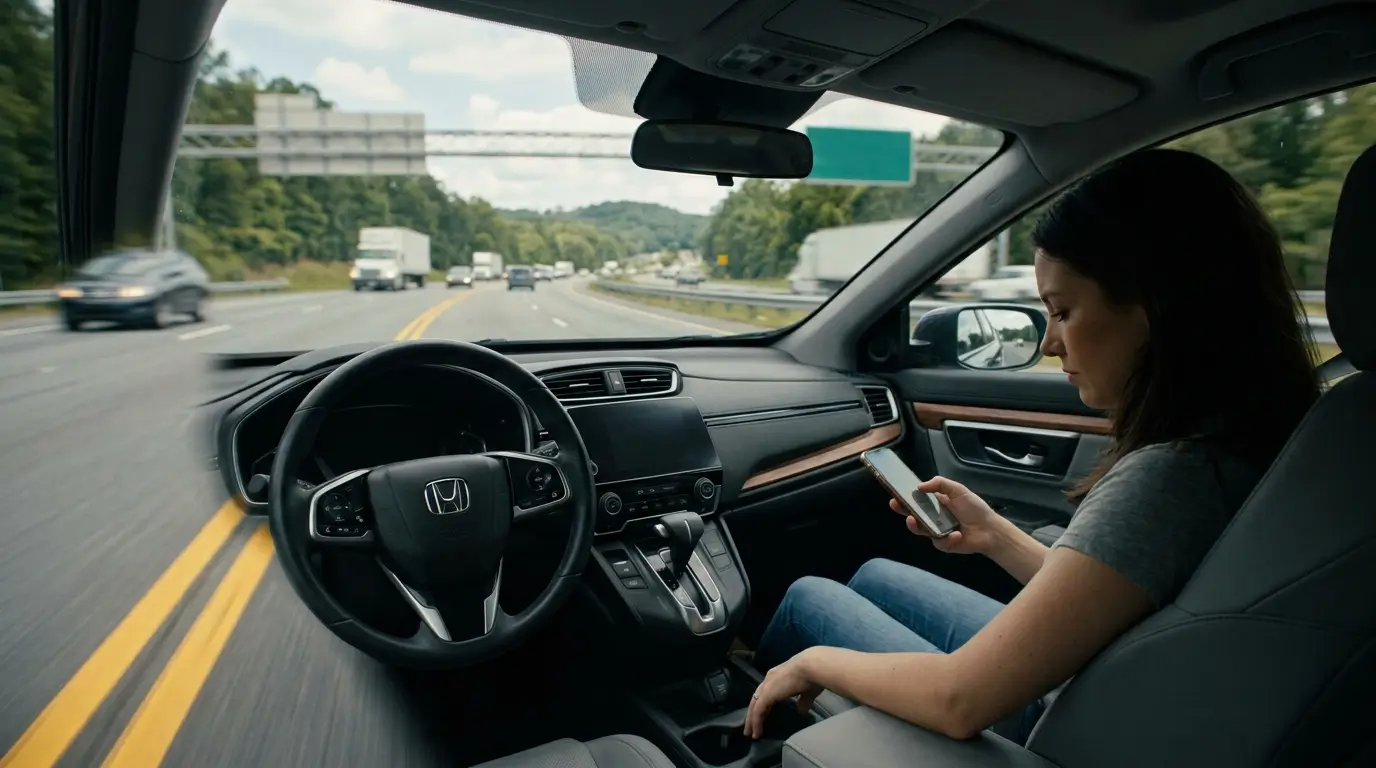
Texting and driving North Carolina is dangerous in that it distracts a driver by taking their hands, eyes, and attention away from the road all at once; it’s the only distraction that does all three at the same time.
In North Carolina, it is against the law to text and drive, and if you do it and cause an accident, you can be found liable for the collision. This is why it is so dangerous, the laws about it, and what it means to have been injured by a distracted driver.
Hello, my name is Robert Tatum, and I am a lawyer with the Tatum & Atkinson Law Firm. As one of the top-rated veteran-owned law firms practicing in the profession since 2006, our law firm has accumulated over 65 years of experience in handling texting and driving cases in North Carolina while ensuring that the distracted drivers are held accountable.
If ever you are injured in a distracted driving accident in North Carolina, then we have all your bases covered in terms of cell phone driving laws in NC, distracted driving liability, and maximum compensation as a North Carolina car crash lawyer.
The Risks Associated With Texting While Driving
Here’s all that you need to know about the terrible risks which are associated with the menace and dangers of texting while driving.
Three Types of Distraction at One Time
According to safety experts, there are three forms of distraction:
- manual (where hands are off the steering wheel)
- visual (where eyes are off the road), and
- cognitive (mind off driving).
While eating involves manual distraction and daydreaming involves cognitive distraction, texting while driving accident causes all three forms of distraction at once, making it dangerous.
How It Affects Reaction and Judgment
When a person is distracted while driving, their reaction time is slowed down, and he fails to notice possible dangers ahead.
According to the National Highway Traffic Safety Administration, when a driver looks away from the road for just five seconds, at 55 miles per hour, he ends up traveling a football field’s distance with potentially obscured vision.
Causes of Car Accidents Resulting from Distracted Driving
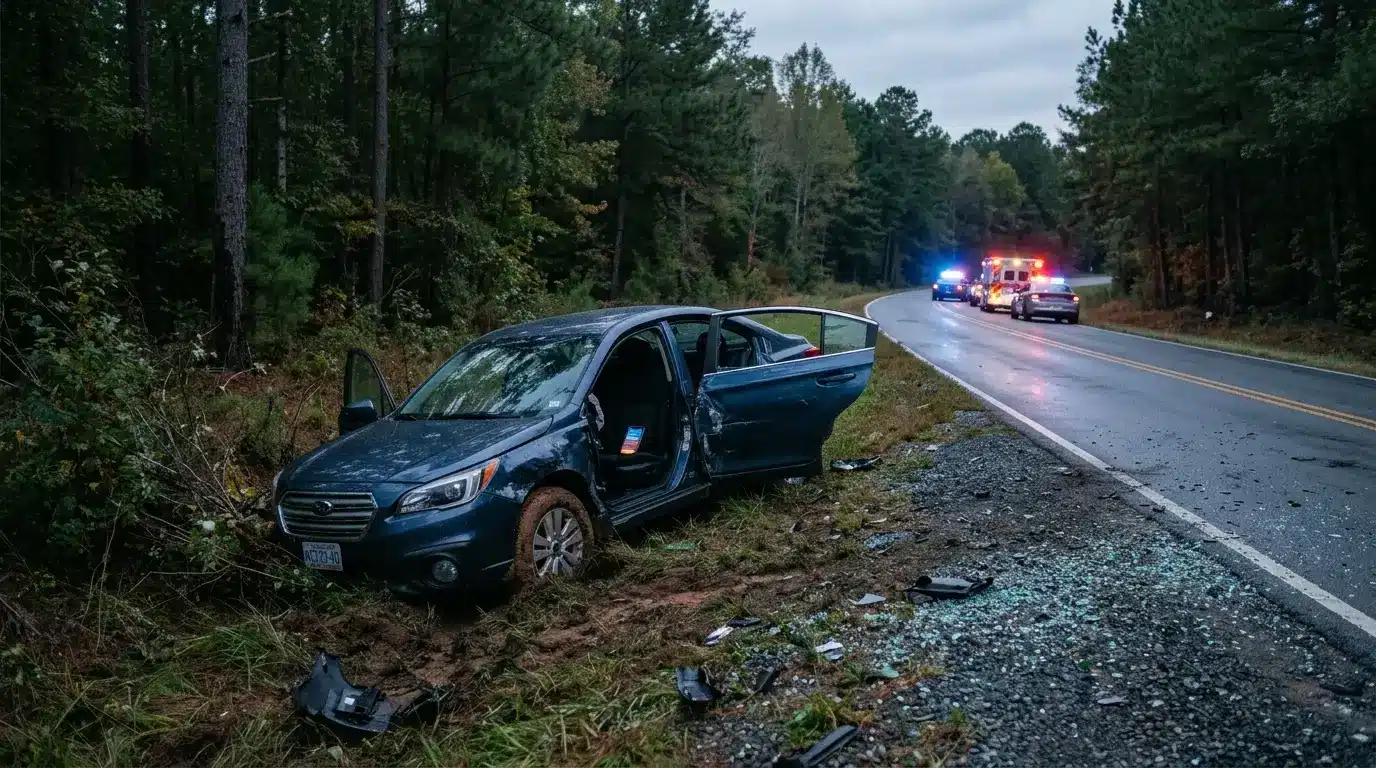
Here are the major reasons for car accidents, which are the direct by-product of texting while driving.
Rear End Collisions
This is the traditional form of a distracted driving accident NC caused by drivers who text while driving, since it occurs when vehicles slow down, and the driver does not look away from their phone before running into the car in front of them.
Intersections and Red-Light Accidents
This type of accident occurs when the driver is distracted by the phone and fails to see the red light or the incoming cars through the intersection, resulting in an accident that usually happens at full speed and hits the side of the other vehicle.
Lane Departure and Sideswipe Crashes
Looking down at the screen for some seconds, the driver loses control and veers out of the lane, crosses the centerline, or even drives off the road.
What the North Carolina Laws Really Say
Here’s what the NC law has to say about distracted driving.
Texting Law
According to cell phone driving laws NC under N.C.G.S. § 20-137.4A, it is against the law for any person to type or read a text message or email on their cellphone while driving.
Such a violation constitutes an infraction, which carries a penalty of a $100 fine plus court costs; and, unlike a common misconception, neither license points nor insurance surcharge is assessed. There are more severe prohibitions for minors as per N.C.G.S. § 20-137.3 and commercial/school-bus drivers.
North Carolina is Not (for Now) a “Hands-Free” State
This is surprising: according to the law in effect, an adult driver may still legally hold a phone in order to talk on it, whereas the aforementioned statute does not prohibit every type of unsafe use of cellphones while driving.
The Hands Free NC Act would remedy this by completely banning holding any electronic devices; however, as of mid-2026, this measure has not yet passed the state legislature; its previous iteration was defeated in 2025, while the present one is pending in the Senate committee.
Texting by the Driver, Proving It
Here’s how you can prove that the driver causing the accident had been texting while driving.
Digital Evidence
Distracted driving liability always leaves behind evidence. The cell phone records, the service provider’s information, and the cell phone itself will prove whether a text was received or written just before the accident occurred, but this is possible only if done in time, before the records expire and before the cell phone memory is erased.
The Accident Scene and the Witnesses
The police report, the dashboard camera recording, the footage from the surveillance cameras, witnesses’ testimonies of how the driver looked down at his phone, and data from the cars’ on-board computers can recreate what happened and prove texting and driving North Carolina.
Liability, the 1% Rule, and Your Recovery
Understanding liability is an important aspect of getting the most out of your case and compensation.
Violation of the Texting Law Will Prove Negligence
North Carolina considers the texting statute to be a safety law, and violation thereof will prove distracted driving liability, often a matter of law. Thus, the liability issue shifts from proving negligence to proving what the documents prove.
The 1% Rule and Insurance Defense
As the rule goes in NC, even 1% of your fault in the accident means no recovery. The insurance company for the texting driver will attempt to place the slightest bit of blame on you; you braked too early, and you could have swerved. Proof of texting while driving accident by the other driver nullifies this defense. In egregious cases, punitive damages might come into play as well.
Damages Available
Recovery will include all of the bills, past and future earnings, pain and suffering, and long-term care. The stronger the evidence that the other driver was distracted, the easier it becomes to recover anything.
Injured in a Car Accident Caused by a Distracted Texting Driver in North Carolina?
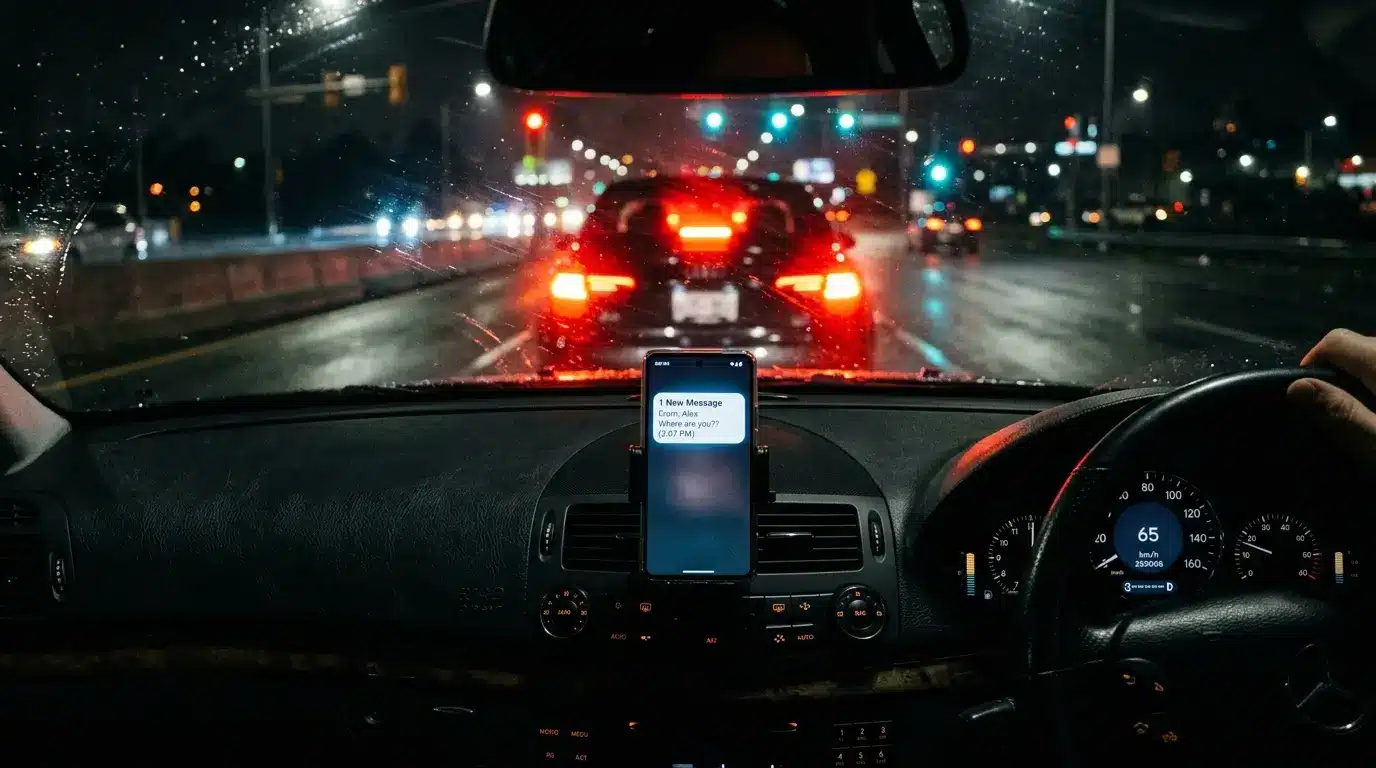
The most difficult aspect of establishing a distracted driving accident NC claim is proving what the driver was up to while he or she should have been paying attention to the road ahead.
The evidence is fleeting, and determining whether it exists in your case costs you nothing. With offices in Raleigh, North Carolina, along the I-440 Beltline, the North Carolina car crash lawyers at Tatum & Atkinson have represented injured residents since 2006.
The Heavy Hitters can swiftly subpoena phone records and cell carrier records in a distracted driving accident case and knock out the insurer’s 1% defense.
Contact us at (800) 529-0804 for a free consultation. Our lawyers are contingency-based, and there is no fee unless we win. Digital evidence is fleeting, so call now.
Frequently Asked Questions!
Can you actually get the other driver’s phone records?
Yes, often. The lawyer may get a hold of the driver’s phone and the carrier’s information through a preservation letter and then a discovery letter or subpoena, showing what was going on around the time of the collision. Time is important, since carriers don’t save all records indefinitely.
What if the police never cited the driver for texting?
It’s okay if the ticket was not issued. The citation for cell phone driving laws NC and the lawsuit are different. The police do not witness the offense, but the evidence will show it anyway, since it is easier to establish texting and driving in a civil suit than in criminal court.
Can I recover if I was partly at fault?
Under the law of North Carolina, being even 1 percent at fault disqualifies one from making any recovery whatsoever. That is why the main point is to prove the other driver was distracted and to refute any allegation that you have contributed to the accident.
What does hiring a lawyer cost?
Zero cost initially. These lawsuits operate under a contingency fee, meaning that there is no fee unless there is a recovery, and the first consultation is free.
Is texting while driving illegal in North Carolina?
Yes. Under cell phone driving laws NC, no person may engage in texting and driving North Carolina while operating a motor vehicle. If a distracted driving accident NC occurs as a result of texting while driving, it becomes proof of the distracted driving liability of the driver.
