What If I Was Hit By A Commercial Driver Who Was Drunk In North Carolina?
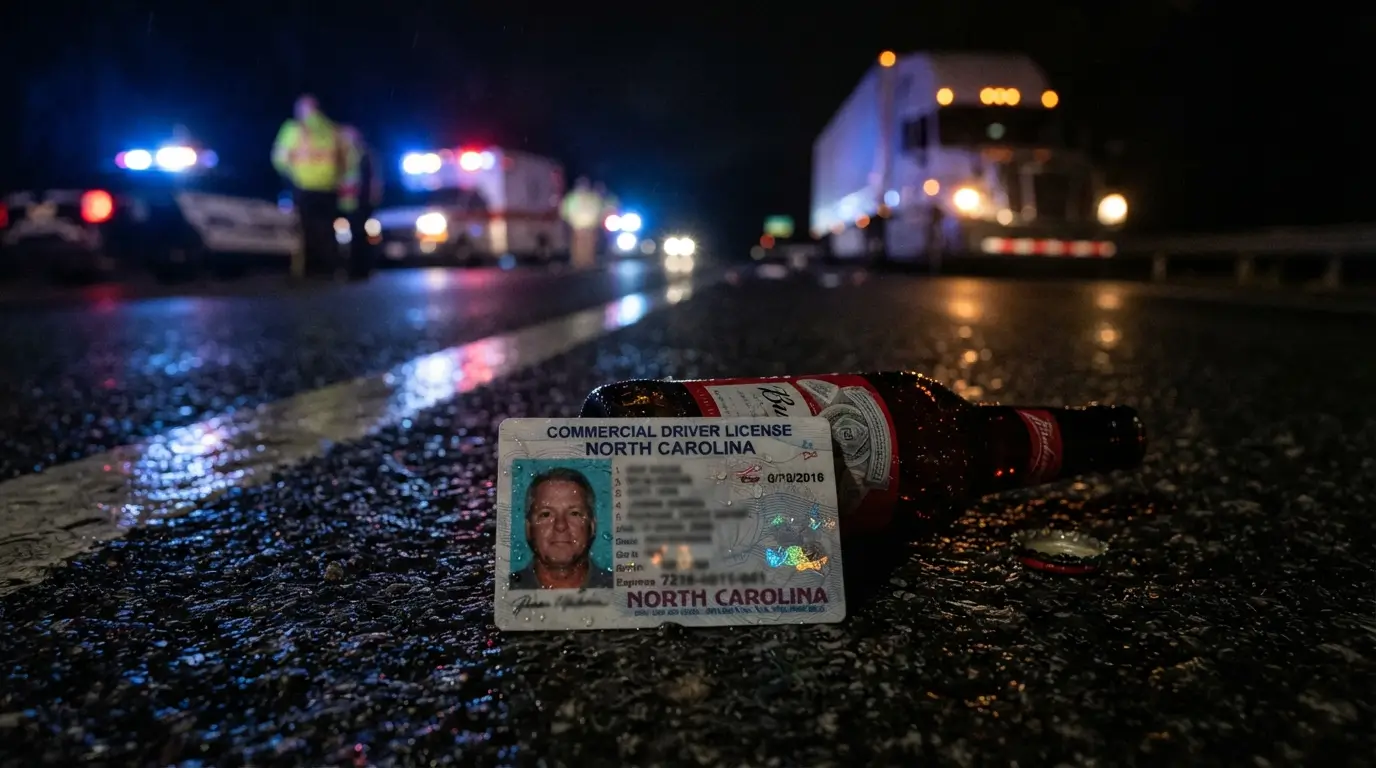
Key Highlights:
- When it comes to drinking and driving, commercial drivers face more stringent regulations than non-commercial drivers, which include an FMCSA alcohol limit 0.04 compared to 0.08 BAC for non-commercial drivers.
- Federal regulations require drug or alcohol testing even if an accident results in severe injury or death. There is no cap on punitive damages in a DUI truck accident NC.
- Any fault attributable to a commercial truck driver and trucking fleet manager will result in the insurance company for the trucking company liability drunk driver or a commercial trucker seeking some level of recovery from the trucking fleet manager.
- Commercial truck insurance typically has much higher limits than privately owned automobile insurance.
What If I Was Hit By A Commercial Driver Who Was Drunk In North Carolina?
A drunk driver is deadly behind the wheel of any car, but if that car is an 80,000-pound tractor-trailer, the stakes are much higher. When that drunk driver is working for a trucking or bus line, the matter goes well beyond a typical DUI truck accident NC, with federal regulations, an insured company to sue, and more at stake overall. Here is what it means to be rear-ended by a drunk commercial driver accident North Carolina.
I am Robert Tatum, attorney for the Tatum & Atkinson Law Firm, here. Our firm has been operating for over 15 years, and we are Veteran-Owned with more than 65 years of combined experience representing victims of commercial vehicle DUI accidents.
If you’ve ever been involved in an accident with a drunk commercial vehicle driver in North Carolina, you recognize the commercial vehicle DUI injury claims in NC and how truck company liability relates to your injuries as a result of being struck by a drunk commercial vehicle driver.
In Cases Where the Drunk Driver Was Driving a Big Truck
The commercial vehicle is larger and weighs more than a car; as a result, it takes longer to stop than other vehicles on the highway. Because alcohol has affected many drivers involved in these types of accidents, the government has trouble prosecuting these drivers for driving under the influence.
Injury Severity
Injuries sustained as a result of these types of accidents are far greater than those experienced when getting into an accident with a car.
Examples of Commercial Vehicles Involved in Commercial Accidents
Many different types of commercial vehicles are not eighteen-wheelers. Other types of commercial trucks may be used to transport goods to and from businesses and share similar loads with eighteen-wheelers on interstate highways I-40, I-85, and I-95.
A Higher Standard: Federal Alcohol Rules for Commercial Drivers
CDL operators must follow federal rules that ordinary drivers never have to consider.
0.04 Blood-Alcohol Concentration Limit
According to the rules, the FMCSA alcohol limit is 0.04 for CDL drivers compared to a BAC of 0.08 for other drivers (see 49 CFR Part 382). Commercial drivers are also not allowed to have any trace of alcohol for four hours before getting on duty. North Carolina law also provides a specific crime of impairment while operating a commercial motor vehicle (N.C.G.S. § 20-138.2).
Drug & Alcohol Testing Requirements
Employers in the trucking industry are supposed to conduct alcohol and drug tests among truck drivers in various situations before hiring, randomly, based on reasonable suspicion, and in case of accidents involving death or serious injury, where there is a citation. The outcome of such a test can serve as crucial evidence in a commercial vehicle DUI injury claim NC.
FMCSA Clearinghouse
This system for monitoring violations by drivers concerning drugs and alcohol has been in place since 2020. It is mandatory for employers to access this system before hiring a driver and yearly thereafter. It is going to be tough for an employer who fails to access this system or hires a driver with a failed test.
Who Can Be Held Responsible
Whereas a typical DUI accident involves only one person to blame, there may be multiple parties accountable in a drunk commercial driver accident North Carolina.
Commercial Driver
The individual decision-maker in drinking and driving can be held accountable for any penalties and damage caused by injury.
Trucking / Bus Company
The concept of vicarious liability means that the employer will be liable for the conduct of their employees while in the course of their duty and, therefore, will have a bigger insurance policy along with better legal defense. trucking company liability drunk driver cases are critical in obtaining maximum compensation.
Negligent Hiring, Training, Supervision & Retention
The company can also be considered directly liable. An example of negligent hiring is the hiring of a driver who has a problem with alcoholism.
- a failed test
- or the Clearinghouse test
- neglect of training
- or the retention of a hazardous driver is an example of the direct liability of the company.
Where Punitive Damages Are Owed by the Company Itself
There is no provision for automatic liability of the company for punitive damages in North Carolina in cases where their employees drive while drunk.
To establish punitive damages liability of the business, involvement of its management in the behavior is required.
Proving Intoxication and Building the Case
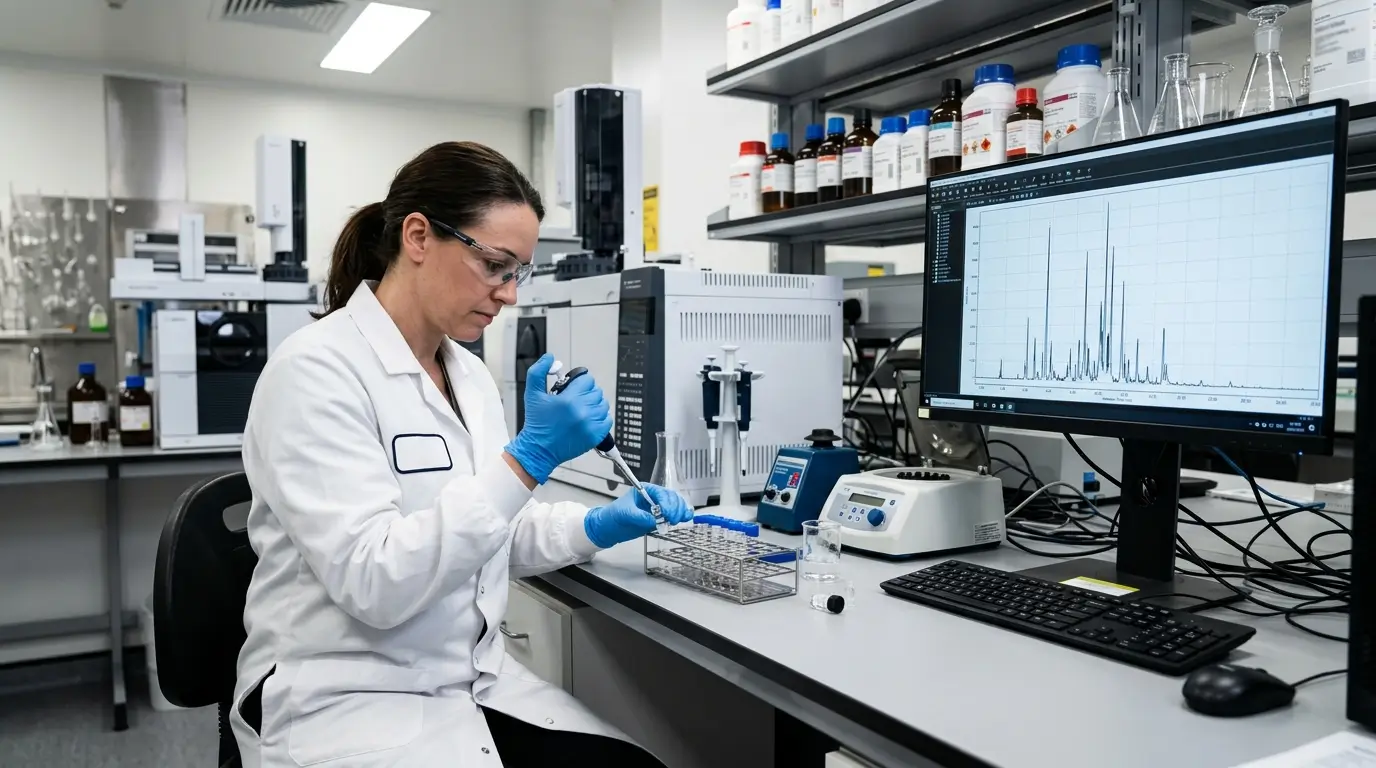
The key to these cases is proving the facts, and the key facts are found in the company’s documents.
Evidence That Shows Impairment
The documentation that will include the post-accident testing, the police report on the accident, the results of the field sobriety test, the refusal to submit the specimen for the test, witness accounts, dash cam or security camera recordings, and criminal investigation files is required.
The Trucking Company’s Records
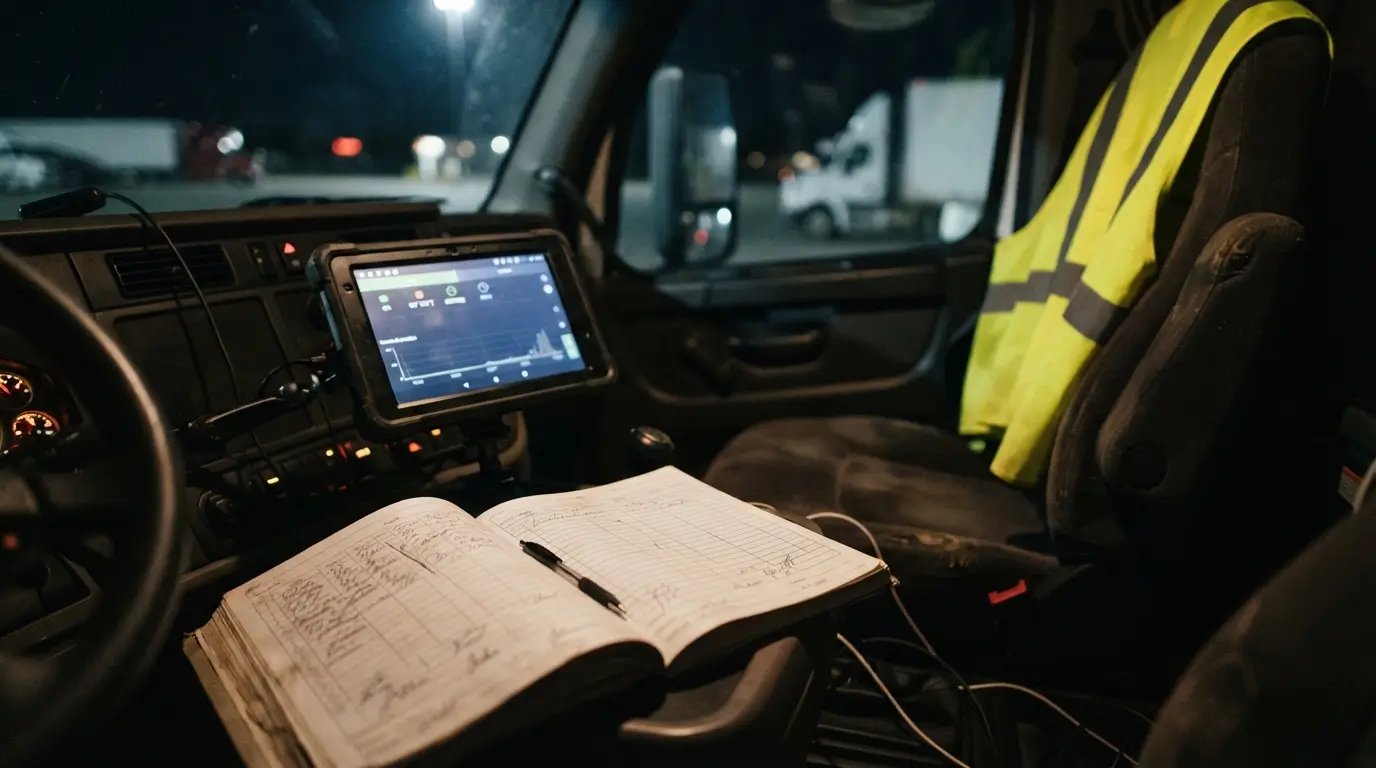
Equally important is the documentation prepared by the company, including the driver qualification file, hiring documents, Clearinghouse results, hours-of-service logs, dispatch report, and the data from the electronic control module.
Why Evidence Must Be Preserved Fast
The company is allowed to recycle some documents from time to time. The electronic data of the truck can also be erased. The preservation order insists that the company must retain all documents, and failure to do so incurs penalties.
Insurance and Compensation in a Commercial DUI Claim
More coverage typically means that more is at risk, and the fight will be stiffer.
Higher Insurance Limits
As per the federal guidelines, the companies that operate interstate trucking services require significantly higher levels of liability insurance as compared to the average person driving their own car; the minimum amount of insurance for such companies should be about $750,000, but for tankers and dangerous cargoes, a higher amount should be paid.
What You May Recover
Depending on the facts of the case, your commercial vehicle DUI personal injury claim in NC could include any or all of the following types of damages:
- Medical bills for past and future treatment
- The income you lost due to the injury, and your reduced ability to earn an income because of the injury
- Physical pain and suffering, and mental anguish from the pain of the injury
- Damage to your vehicle or property
- Punitive damages (no limit in any case of impaired driving as per N.C.G.S. § 1D-26
- Death benefits for family members who are grieving the loss of a loved one
The 1 Percent Rule and Deadline for Filing
Under the contributory negligence system used by the state of North Carolina, if you have even 1 percent of fault in causing the injury, you cannot collect any damages from the person responsible for causing your injuries. In North Carolina, a personal injury lawsuit has a three-year statute of limitations as outlined in N.C.G.S. § 1-52(16).
How a Lawyer Investigates a Commercial Drunk Driving Crash
The first thing is that the speed of the procedure is critical. The letters in connection with the matter under discussion must be immediately sent to the carrier. Next, it is necessary to receive all the necessary documents from the driver, including his qualification records, the history of the test and clearinghouse, logs, and data from the on-board computer of the truck.
This procedure is always carried out in conjunction with the criminal investigation; moreover, if there is a need, an expert opinion is obtained. We believe that this information is precisely the information the carrier does not want to disclose.
Hurt by a Drunk Commercial Driver in North Carolina? Talk With Tatum & Atkinson
Getting run into by an intoxicated driver behind the wheel of a truck is scary enough. But taking on a big trucking company and its insurance provider can be intimidating. You don’t have to go it alone. There is no charge to learn your options.
Since 2006, Tatum & Atkinson has provided legal assistance to drunk commercial driver accident North Carolina victims in North Carolina. Our Raleigh truck accident lawyer office is located at 702 Glenwood Avenue, with other offices throughout the state.
Attorney Robert Tatum is a member of the Academy of Truck Accident Attorneys, and our firm, founded by one of the board members of MADD, acts swiftly to obtain the documents of the carrier, as well as seek the unlimited punitive damages available in such DUI truck accident NC cases. The Heavy Hitters understand how these companies fight back.
Call (800) 529-0804 for a free consultation. No Upfront Fees. There is no cost associated with the first telephone call.
FAQs: What If I Was Hit by a Commercial Driver Who Was Drunk in North Carolina?
Is the trucking company automatically responsible because its driver was drunk?
Not always, but quite frequently. Understanding trucking company liability drunk driver cases means knowing that an employer can be liable for its employee performing their job, and it may also be directly responsible for negligent hiring, training, or supervision. But punitive damages will be awarded only if it can be shown that its management was aware of the risk and consciously ignored it.
What if the insurer says I was partly at fault?
Under North Carolina’s 1% rule, any part of fault, even a minor one, will bar your commercial vehicle DUI injury claim NC; the insurance company will try its best to assign a part of fault to you. Refuse to make a recorded statement and accept their version until you talk to an attorney.
The driver was arrested. Do I still need a civil claim?
Yes, if you’ve been injured. In the criminal case, the driver will be held liable, but he won’t compensate for your medical bills and other losses. You can file a separate civil lawsuit independent of the criminal case and the outcome of that case.
What does it cost to hire a lawyer?
The consultations are free, while personal injury lawyers work on a contingency fee basis, where there are no up-front costs at all. Commercial claims are expensive to investigate, but this cost is covered by the law firm itself.
Will my case settle or go to trial?
Settlements are normal, but then again, commercial carriers and insurance providers respond to businesses that file lawsuits over their DUI truck accident NC cases, especially since there is no limit on the punitive damages they can be assessed. Preparing for the lawsuit is what matters.
