What If I Was Hit By A Drunk Driver Who Was Driving For A Rideshare In North Carolina?
Key Highlights:
- North Carolina does away with any limits on drunk driving punitive damages NC awards in drunk driving cases.
- A drunk rideshare driver North Carolina conducts the most-used “1%” defense in a lawsuit.
- NC rideshare insurance coverage in North Carolina means there is up to $1 million of coverage available.
- It all comes down to what the app of the rideshare driver was doing at the time of the collision.
- The rideshare company must disclose exactly when the driver was logged in.
What If I Was Hit by a Drunk Driver Who Was Driving for a Rideshare in North Carolina?
There are actually two claims you will likely have: one for compensation for your injuries, and one for punishment of the drunk driver. But when the driver who caused you injury was logged into Uber or Lyft, North Carolina law allows for a commercial insurance policy to be tapped for up to $1 million in coverage. Here’s how that fits together.
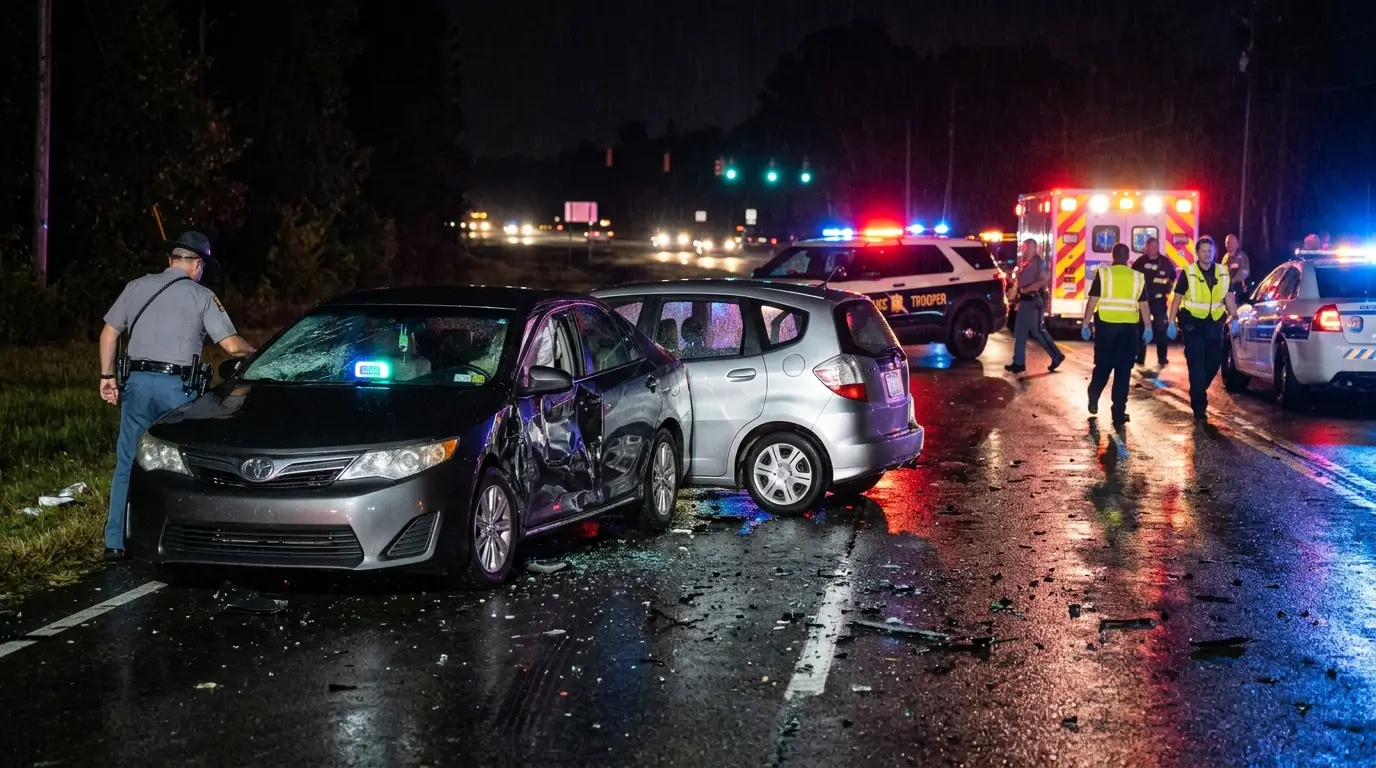
Being a drunken driver causing an accident can be a difficult situation as it is, but being an active Uber or Lyft driver at the moment of the accident makes the whole case much harder. My name is Robert Tatum, founding lawyer of Tatum & Atkinson Law Firm. For the last 14 years, we have accumulated more than 65 years of experience in handling drunk rideshare driver cases in North Carolina. We perfectly understand how to deal with NC rideshare insurance coverage and claim your punitive damages in NC.
Two Reasons Why Your Drunk-Rideshare Case Can Work For You
Many articles begin with all odds against you. We shall begin by talking about two different North Carolina laws working for you.
Punitive Damages Are Not Limited
In North Carolina, punitive damages are limited to whichever is larger, $250,000 or three times compensatory damages. The principal cap cannot apply in the case where the person behind the wheel is intoxicated.
It is stipulated by North Carolina General Statutes Chapter 1D-26 that the cap is not applicable where the driver is under the influence. Therefore, there is no limit to how much drunk driving punitive damages NC the jury may give for choosing to drive while impaired.
The Way the 1% Rule Doesn’t Work.
There is a pure contributory negligence rule in North Carolina, which says that insurance companies may refuse to cover claims if the insured person is responsible for even 1%.
But in the case of a rideshare accident North Carolina that happened because the driver was under the influence of alcohol in North Carolina, this defense doesn’t work because drunk driving is considered a willful and wanton act. Willful and wanton injuries cannot be defended from contributory negligence. Of course, not always.
What Insurance Coverage Covers a DUI Accident With a Rideshare Service?
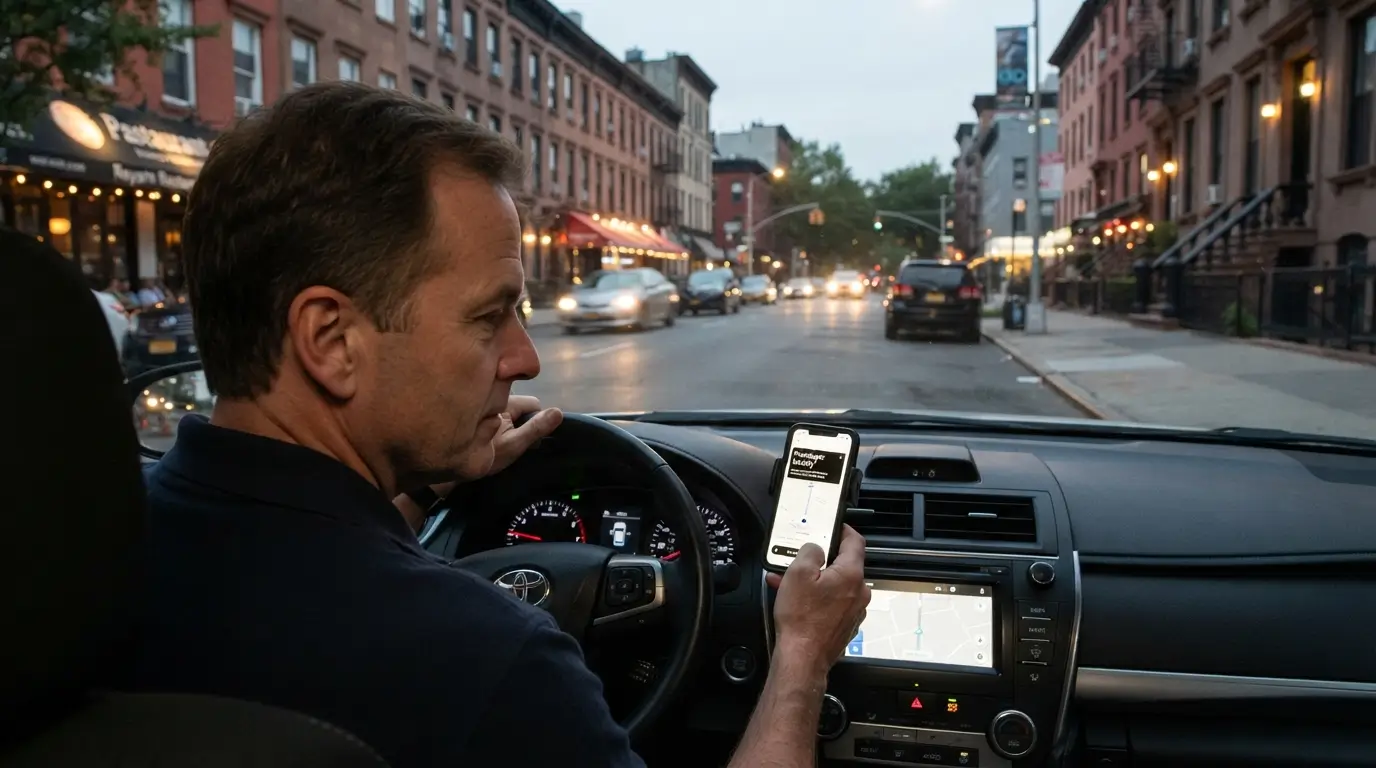
Depends on the state of the driver’s app during the accident.
The App is Turned Off.
In case the driver was logged off, the driver’s personal car insurance will be the only one; however, in some cases, the insurer might refuse to cover the damages caused by the intoxicated driving.
The Driver is Logged in and Waiting for a passenger.
The moment the driver logs in without accepting any trip, according to N.C.G.S. § 20-280.4, there should be no less than $50,000 per person and $100,000 per occurrence for injuries and no less than $25,000 for damage to the other vehicle.
The Driver has Accepted a Trip.
When the driver is already in the middle of the accepted trip, then the driver is supposed to have at least $1 million of primary NC rideshare insurance coverage and $1 million of uninsured/underinsured coverage.
Why You Usually Cannot Sue Uber or Lyft Directly
North Carolina law starts with the assumption that a ridesharing driver is an independent contractor, not an employee, making it difficult to sue the rideshare company for the driver’s actions. The only real claim is the statutory insurance listed above, which is why knowing the driver’s employment status is crucial in any Uber drunk driver accident or Lyft DUI crash lawyer NC case.
Proving the Driver Was Drunk and Logged In
You need to keep in account the following things to prove that the rideshare driver was drunk at the time of the accident.
Evidence of Intoxication
The intoxication claim will come from the police report, any DWI charges, the breath or blood test results, field sobriety tests performed, observation of slurring and smell of alcohol, witnesses, and bar tabs before the collision.
The Proof of Status in the Application
As required by the state law of North Carolina, it is the legal responsibility of both the ride-sharing firm and the insurance to prove the exact time when the driver started his application in the span of 12 hours prior to and after the occurrence of the accident.
Importance of Acting Swiftly
Application logs, data from GPS, dash camera videos, and security camera videos from the surrounding area get deleted in just a few weeks’ time. Preservation prevents this from happening.
Who Else Could Be at Fault?
Here are some other scenarios to determine fault.
Bar or Host that Overserved the Drunk Driver
While North Carolina, unlike some other states, recognizes the concepts of dram shop and social host liability, N.C.G.S. § 18B-305 makes it illegal to intentionally serve an already-intoxicated person; therefore, if that was done before the time when the driver started operating the car, so such a bar or social host could also be a potential defendant.
Your Own UM or UIM Insurance
When all other sources fail to cover your losses, your own underinsured and uninsured motorist insurance will come to the rescue.
What Damages Can You Recover?
The damages might be your medical bills, future medical care, loss of wages, pain and suffering, and property damage. In addition, in cases of drunk rideshare driver North Carolina accidents, the amount of drunk driving punitive damages NC is unlimited.
Injured By Drunk Rideshare in North Carolina? Speak With Tatum & Atkinson Law Firm

A rideshare accident North Carolina has you sifting through all of your insurance options while you are still trying to recover from the accident. You do not have to figure it out alone, and figuring out where you stand is totally cost-free.
Tatum & Atkinson has defended the interests of injured North Carolinians since 2006 out of our Raleigh office, throughout the entire state. The Heavy Hitters understand North Carolina law with regard to the elimination of the drunk driving punitive damages NC cap in drunk driving accidents, how the “willful-and-wanton” doctrine trumps the 1% defense, and how to locate the NC rideshare insurance coverage that makes a difference.
Call (800) 529-0804 for a free case evaluation. We work on a contingency basis, meaning you don’t pay unless we win your case, and considering the fast-fading nature of the digital evidence in these cases, the sooner the better.
Frequently Asked Questions!
Is a rideshare DUI claim worth more than an ordinary crash?
Yes, often. Impaired driving is considered reckless and wanton; drunk driving punitive damages NC apply, and in North Carolina, the state waives the general cap on punitive damages. This means that the total amount of compensation sought exceeds the medical costs and lost wages.
What if the drunk driver had a passenger in the car?
This million-dollar NC rideshare insurance coverage is applicable to any covered trip, whether the driver was traveling to meet the rider or had the rider onboard already. This coverage is greater than in the situation of an accident where the app was switched off.
Does the driver being drunk let the rideshare company off the hook?
No. In addition to the fact that the minimum level of insurance provided by the company covers the damage regardless of a personal policy exclusion of the drunk rideshare driver North Carolina, the insurance company must defend the case.
What does hiring a lawyer cost?
Nothing. This litigation is contingency-based; there is no fee unless there is a recovery, and the first consultation is free.
What is the impact of a rideshare driver’s app status on the insurance that covers him/her in case of a drunk driving accident in North Carolina?
The rideshare accident North Carolina driver’s app status will determine the NC rideshare insurance coverage he/she has. In case the rideshare driver was on an active status, there is $1 million rideshare liability coverage available.
