What Is A Daycare Accident In North Carolina?

Key Highlights:
- If you are looking for information on what is a daycare accident in North Carolina, many types of daycare accidents can occur in a child care facility, some of which may or may not be due to negligence.
- In North Carolina, a daycare center is required to provide a minimum duty of care for the safety and well-being of the children in care. Failure to do so is known as a “negligent” act.
- The Division of Child Development and Early Education (DCDEE) regulates and licenses all daycare centers in North Carolina.
- A child under the age of 7 is not legally responsible for their own injuries. The child’s claim for injury is on hold until they reach the age of 18, but the parent’s claim for medical expenses will not be on hold.
Trusting a third party with your child, such as a daycare center, requires trust. Most times, parents can trust that the daycare staff does their jobs appropriately. Children sometimes get hurt in daycare facilities, but when this happens, parents have to determine if the situation is just a matter of misfortune or if the child was seriously neglected. Understanding your rights and how to go about exercising those rights will be easier if you understand what is a daycare accident in North Carolina and under what circumstances an incident can become a matter of liability.
The complications of a daycare injury North Carolina are best handled by knowledgeable legal representatives. At Tatum & Atkinson Law Firm, our childcare accident lawyer North Carolina is dedicated to fighting for the rights of children and for families who need the justice they deserve during difficult times.
If your child has suffered an injury because of negligence on the part of their daycare, take the next step towards protection and contact Tatum & Atkinson Law Firm for your free consultation at (800) 529-0804.
Accident or Negligence? The Distinction That Decides a Claim
Unfortunately, there are no daycare centers that can be held legally responsible for minor injuries, such as bumps and bruises, that occur to children at daycare centers, regardless of the caregiver’s level of care. The law requires that all child care services (daycare) meet certain minimum standards of care.
What Counts as a True Accident
If the caregivers provided close attention, the daycare’s environment was adequately safe, and the child suffered injury while involved in some type of play (recreation), that incident may be considered an accident, and no one would be liable. The law recognizes that no matter what, children will get hurt.
When an Injury Becomes Negligence
Conversely, negligence is where the daycare facility failed to meet the required level of care according to the law, e.g., having inadequate caregivers, having too many children, having risks that ought not to have been there, ignoring the child’s allergy program, sending the child to the wrong adult, or abusing the child.
How Children Get Hurt in Daycare Settings
There are many instances when a child can get hurt in a daycare, such as the following:
Falls and Playground Injuries
Injuries from falls, slips due to unsafe ground, and overcrowded playgrounds result in bone fractures, sprain injuries, and head injuries due to old and worn-out playground equipment.
Choking and Allergic Reactions
Young children are at risk of choking because of small items, unsuitable toys, and inappropriate foods. In the case of a child with an allergy problem, one failure to follow the allergy plan will be life-threatening to the child.
Negligent Supervision
Daycare supervision failure is a common thread that passes through almost all daycare injury cases. The child may wander into dangerous places or get injured when playing with other children. Supervision is the most basic duty of a daycare.
Transportation-Related Accidents
A daycare that has transportation services by using vans and buses becomes responsible for not only the supervision of the children but also many other duties. It is compulsory by law in North Carolina to make sure that all the kids are properly buckled up, and there is never a chance that a child will be left alone in a car.
Unsafe Premises and Hazards
Damaged equipment, electrical outlet dangers, cleaning products available to children, hazardous baby sleeping places, and dangerous furniture are some of the dangers.
North Carolina’s Daycare Safety Rules

There is a well-defined regulatory floor within which the state of North Carolina operates child care facilities, and there is a state agency responsible for enforcing it.
Who Regulates Daycares
Licensed child care facilities are regulated by the Division of Child Development and Early Education (DCDEE), which is a part of the North Carolina Department of Health and Human Services. The DCDEE licenses, inspects, and investigates complaints against facilities under Chapter 110, Article 7. The star-rated license of each facility should be displayed for the parents to see.
The Core Safety Standards
Children must always be “under [the] supervision of an adult” (N.C.G.S. § 110-91). There are specific ratios of staff-to-children who are allowed to care for children by age. All staff members undergo a criminal background check. There is a written safe sleep policy for infant rooms. There is a requirement for strict restraints on vehicles.
Why North Carolina Daycare Regulations Matter to a Claim
There are violations that are well documented, such as understaffing, failure to complete a background check, and non-adherence to the safe sleep policy. Records of inspections and complaints are available from the DCDEE.
Signs Negligence May Have Played a Role
There are instances where parents can tell when things just do not add up. Some of the warning signs include:
- An explanation that changes over time or does not correlate with the injury.
- A long lapse of time before the center informs parents of the occurrence.
- Understaffing is evident relative to the number of children.
- History of past complaints.
- Refusal to share the incident report or videos.
What Parents Should Do After a Daycare Injury North Carolina
If your child gets injured in a daycare injury, quick action should be taken in order to protect the welfare of the child and also gather vital evidence. The actions to be taken in the aftermath of such an accident are very important for the parents:
Get Medical Care and Documentation
Even though the injury is seemingly small, make sure that your child is taken to a doctor since there can be hidden injuries, like concussions, that cannot be detected otherwise. Documentation helps establish the link between the injury and the incident.
Preserve the Evidence
Ask for an accident report to be filed. Not only should you take photographs of the injury itself, but also photos of anything that caused such an injury. Make sure you obtain the contacts of the facility’s staff members and witnesses; keep all the messages that you receive in writing from them.
Check the Facility’s Record
Public records provided by DCDEE will help you figure out if there were any previous incidents at the daycare.
Who Can Be Held Responsible and What a Claim Can Recover
The process of handling a daycare injury case requires the identification of all those who may be at fault and an understanding of the special nature of such damages and the special legal deadlines under North Carolina law for children.
The Daycare and Its Staff
The daycare center may be held liable for the employees working under it in the process of discharging their responsibilities, as well as because of the negligence shown by the daycare center at the time of recruiting, training, or providing an unsafe environment to the employee. Individual liability may be imposed on the employee for his/her misconduct or mistreatment.
Other Possible Parties
In certain cases, the people liable may be the transportation provider, the landowner, or the equipment manufacturer. Though a product claim is a different type of case, it is important to identify all parties when building the claim.
Compensation for an Injured Child
Injured person compensation is usually made for medical expenses, pain and suffering, future medical expenses, as well as scars and permanent injuries. Parents may bring a suit for compensation for the medical bills they paid.
Time Limits and the 1% Rule for Children
The statute of limitations for a child injured at daycare case is paused until the child turns 18 years old, according to the provisions of N.C.G.S. § 1-17. Thus, the child will have approximately three years to bring the suit after turning 18, meaning that the child will have to bring the suit when he/she is 21 years old. However, the statute of limitations for the lawsuit for the parents’ medical expenses is not paused and has to be brought within three years. Moreover, the very strict 1% contributory negligence rule applicable to adults in North Carolina does not work for a child under 7 years old.
How an Attorney Investigates a Daycare Injury Claim
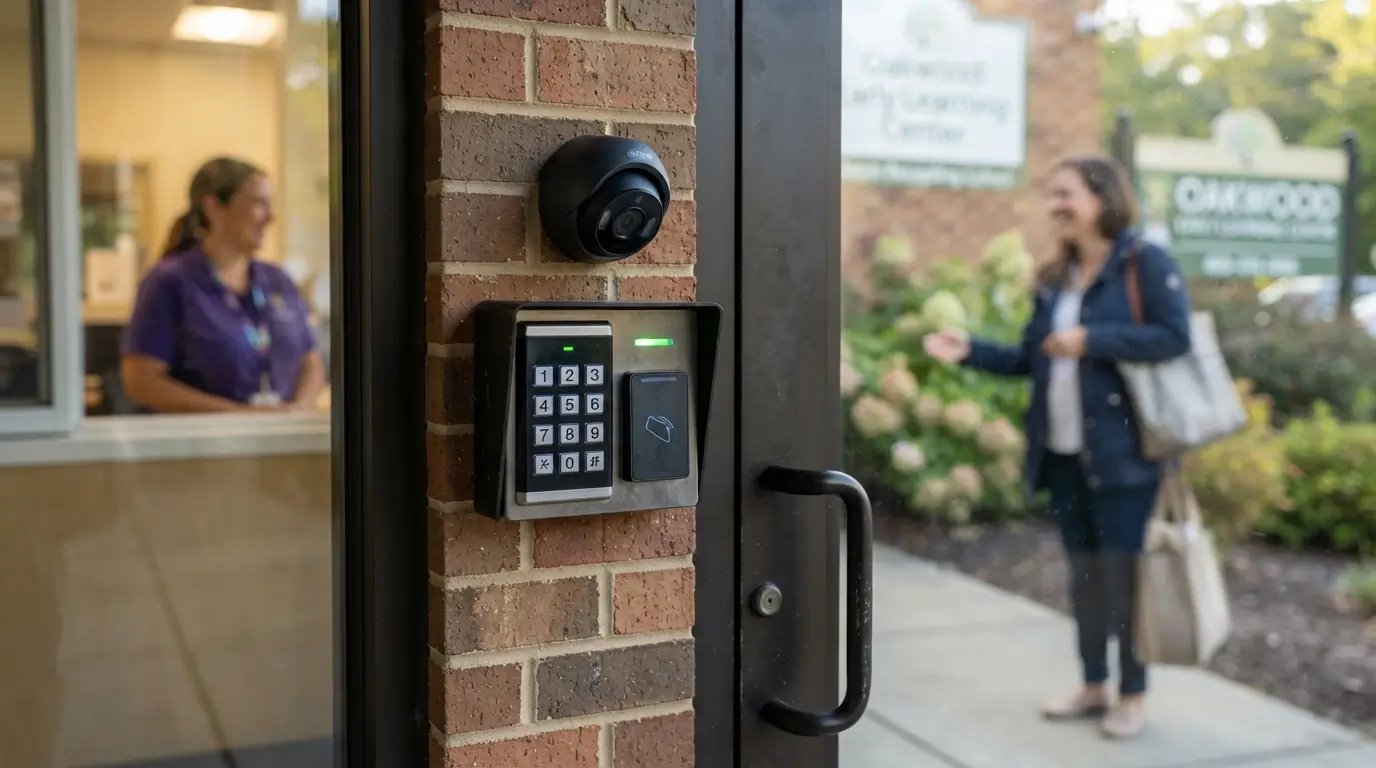
The daycare issue comes down to proving what constitutes “reasonable care” and how the facility breached its duty. An attorney will have access to the incident report, staffing schedules, and the DCDEE history of the facility.
They will ensure video footage is not destroyed, identify all those at fault, and assemble the appropriate experts. From experience, the internal records of a facility, such as who was working on the day in question and prior citations, often prove whether the accident was simply a matter of bad luck or substandard care.
Worried Your Child Was Hurt by a Daycare’s Carelessness? Talk With Tatum & Atkinson
There is no greater tragedy than discovering your child was hurt while in the care of another person. You have a right to receive a complete account of what happened and whether or not it could have been prevented, and that investigation should not cost you anything.
The Tatum & Atkinson law firm has been protecting the rights of victims and their families throughout North Carolina since 2006. The Heavy Hitters can help you understand what is a daycare accident in North Carolina, make sense of the facility’s documents, and tell you your options clearly.
Give us a call today (800) 529-0804 to set up an appointment for a consultation free of charge, and since we operate on a contingent fee, there is no charge unless we recover money for you.
FAQs: What Is A Daycare Accident In North Carolina
My child got hurt at daycare. Does that mean the daycare is liable?
Not always. The children could get hurt even under good supervision. Daycare is responsible due to the facility’s negligence, whether because of understaffing, a dangerous condition, or failure to adhere to established safety procedures. The incident report and the history of the facility give the context needed for this.
Could the daycare blame my child for what happened?
This strategy will not work when dealing with a young child since, according to the North Carolina legislation, children under the age of 7 cannot be equally at fault, while children aged 7 to 14 are presumed not to be. Thus, the 1% statute does not work in this case at all.
How long do I have to bring a claim for my child?
While the case for the child will be delayed until he/she becomes 18, the claim by the parents regarding the payment of medical bills will not be delayed and should be submitted within the first 3 years of the appearance of the evidence.
What will it cost to talk to a lawyer?
Nothing. There is no charge for consultation. Personal injury law offices work on a contingency basis; you pay nothing if you win nothing.
Will I have to sue my child’s daycare?
Not necessarily. In many cases, there will be no filing of a lawsuit, but the daycare negligence claim NC can be settled through the insurance of the facility. When settling on behalf of a minor, the court must permit North Carolina. This includes appointing a guardian ad litem to protect the child’s interests.
