What Happens When Children Are Hurt In A Wreck In Virginia?
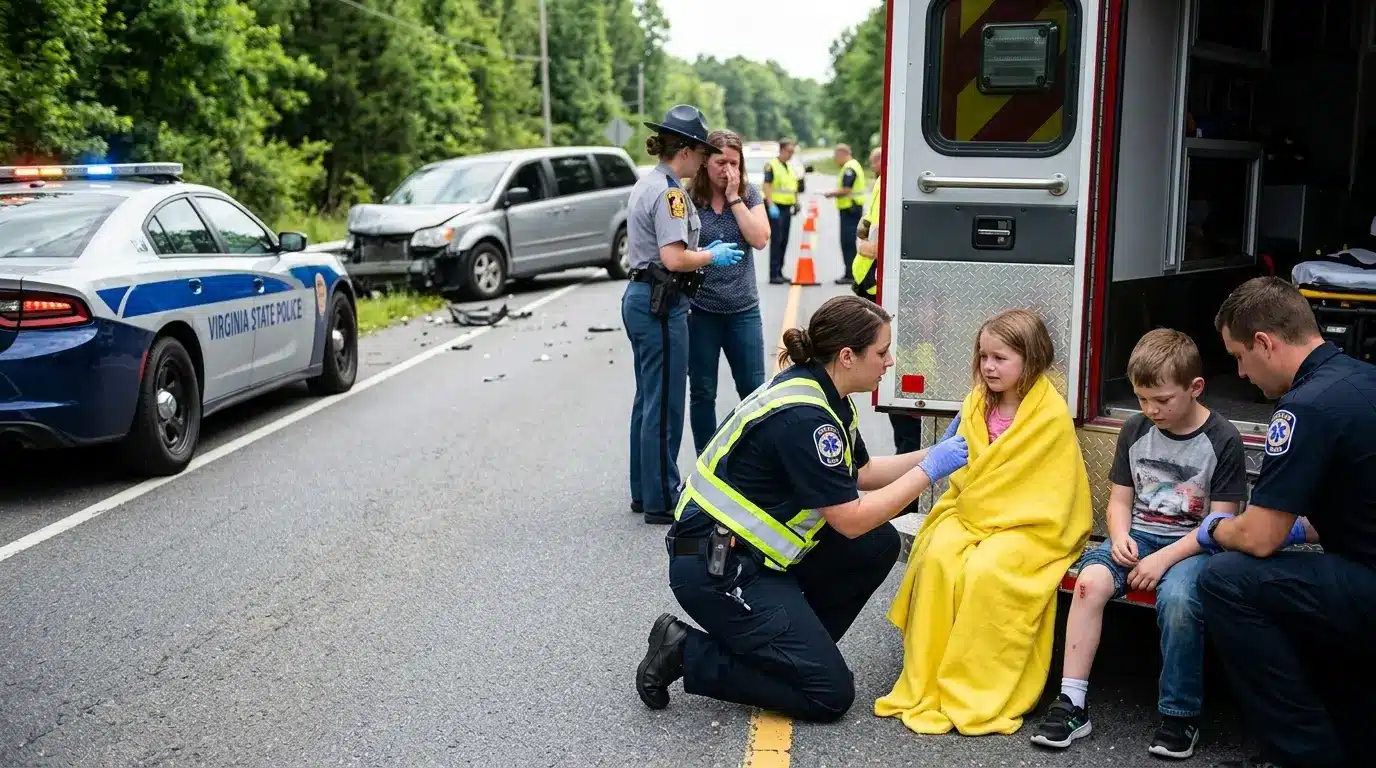
Key Highlights:
- What happens when children are hurt in a wreck in Virginia? A parent must submit the claim on behalf of their child; the claim’s deadline is pushed back until the child turns 18, and court approval is required for all final settlements.
- Child injuries are uniquely complicated due to their developing bodies being affected by delayed-onset, long-term complications such as traumatic brain injury (TBI), and fractures to the growth plate.
- Compensation covers broad damages such as medical-related expenses: both past and future, emotional distress (PTSD), and loss of income due to parents caring for their children.
- Early documentation is a vital process that is needed to combat common insurance company tactics, such as exploiting gaps in treatment or downplaying a child’s future developmental needs in order to limit their payouts.
If your child or a minor injured in car crash in Virginia, you are not only dealing with an emergency medical situation, but you are also involved in a complicated legal process that is characterized by…
(a) time-sensitive deadlines,
(b) court order control, and
(c) protections provided by law for minors only.
Your family’s choices in the initial days and weeks after the accident may significantly affect the amount of compensation your child eventually receives. Families with a child injured in car accident Virginia resulting from an accident will benefit from a legal system that provides incentives for prompt information gathering and documentation, as well as legal representation by qualified counsel.
Tatum & Atkinson Law Firm has successfully represented Virginia families seeking to get compensation for their children and understands what happens when children are hurt in a wreck in Virginia. This article will provide a complete overview of your child’s legal entitlements and how Virginia courts determine settlement options for minors injured as a result of auto accidents.
If your child has suffered any injuries due to an accident, reach out to our experienced lawyers at (800) 529-0804 for a free consultation.
What Happens When Children Are Hurt in a Wreck in Virginia: The Legal Basics
Understanding what happens when children are hurt in a wreck in Virginia starts with three basic principles that shape every decision in these situations.
Minors Cannot File Claims Themselves
Using the legal process defined in Virginia law, a parent or guardian acts as the child’s “next friend” to file a child injury claim Virginia on behalf of the child. In cases where there is a conflict of interest (parent was at-fault driver) with the parent representing the child, a Virginia court will appoint a guardian ad litem to represent the child.
The Filing Deadline Is Extended
Under Virginia Code § 8.01-8, the time limitations to file a Virginia personal injury claim for minors will be paused until the minor becomes 18 years old. That said, using the best evidence possible, including witness statements, is important because evidence becomes more difficult to locate as time passes. For this reason, it’s important to act sooner rather than later.
Every Settlement Must Be Court-Approved
Any settlement regarding a Virginia child accident lawsuit is subject to approval by the circuit court. A judge is responsible for determining that the terms of the settlement are fair and equitable to the child and that the funds received by the child are to be deposited in a protected trust so that the legal rights of injured children after an accident will be secure long after the accidents occur.
Common Car Accident Injuries in Children and Why They’re Different
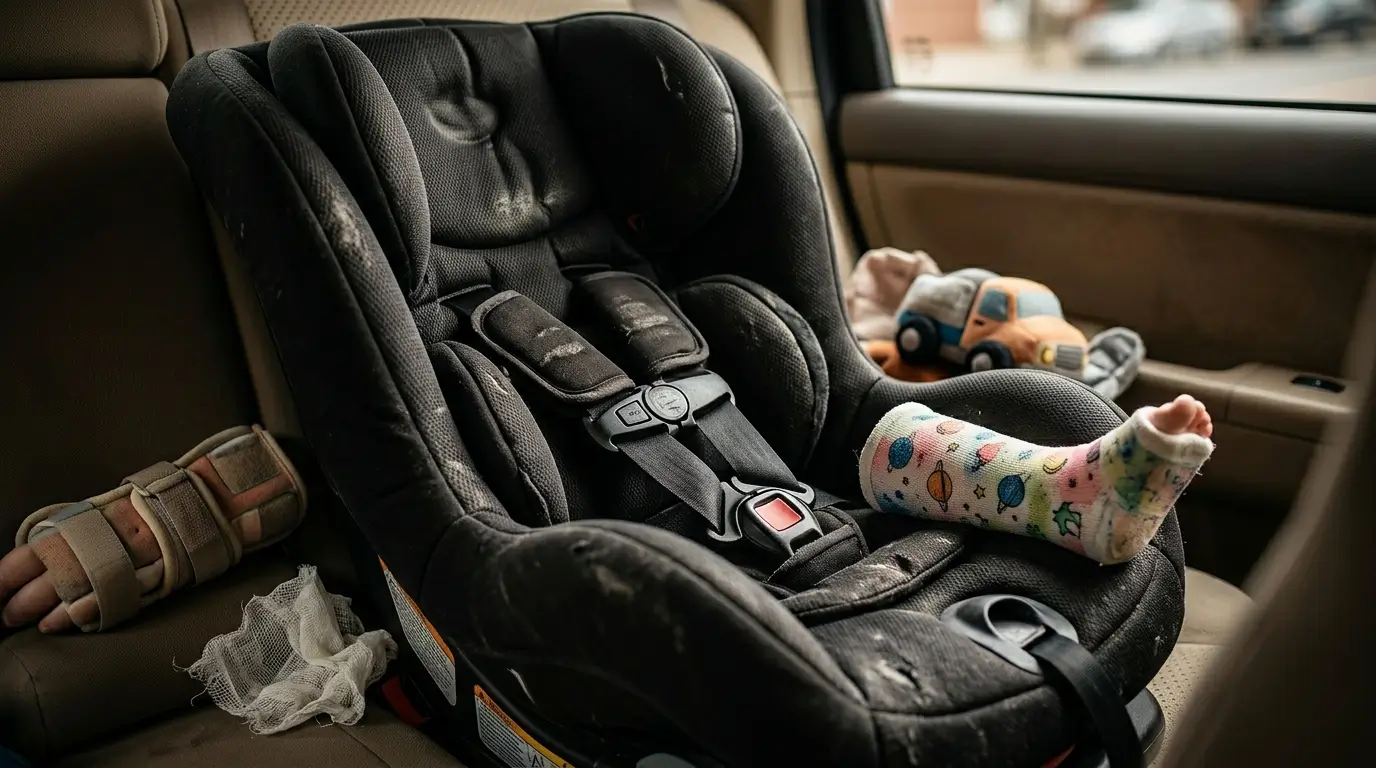
Typically, car accident injuries in children are more serious than in adults because children’s bodies respond differently to the same force of impact due to their developing bodies.
- Traumatic brain injuries (TBI): TBIs may be delayed and can affect a child’s learning, behavior, and cognition for life.
- Growth plate fractures: When growth plates are damaged, deformities or differences in limb length can occur as the child develops.
- Internal organ injuries: Children’s internal organs are less protected, causing additional risk for internal bleeding.
- Spinal injuries: If not treated or recognized as serious, they can lead to problems with normal physical development.
- Psychological trauma: PTSD, anxiety, disordered sleep, and developmental regression are common and compensable.
Most of these injuries have no immediate symptoms. A thorough medical examination after any crash, even if the child appears to be well after the crash, is crucial. Insurance companies use deficiencies in early documentation to dispute child passenger injury claims.
What Compensation Can a Child Injury Claim Include?
The value of an Injured child car accident compensation claim in Virginia is often higher than most parents think. A well-structured claim could recoup the following damages:
| Categories of Damages | What They Provide For |
| Medical Expenses | All hospital/doctor visits, surgery, rehab, specialist care, therapy |
| Future Medical Costs | Future needs for treatment due to the injury being permanent |
| Pain and Suffering | Physical pain (both current and past) experienced by the child |
| Emotional Distress | Anxiety, PTSD, and/or alterations in behavior due to the traumatic experience |
| Loss of Enjoyment of Life | All activities/events that the child will not be able to participate in again |
| Child Medical Expenses | Out-of-pocket costs that parents have already paid |
| Parental Wage Losses | Wages parents have lost as a direct result of caring for their child |
“A settlement for injured child Virginia will need to take into consideration how a claim will affect their future developmental goals, such as schooling and developmental therapies, or care needs that may not become apparent until many years from now. We at Tatum & Atkinson Law Firm work with life care planners to ensure that all projected expenses are included in your child’s claim.” – Robert Tatum
How Insurance Companies Approach Child Injury Claims
Adjusters for insurers are not your ally. All child passenger injury claims will be processed by them, and they will do everything they can to minimize the claim.
Below are a few examples of the common methods of operation being utilized against Virginians:
- Arguing that injuries are pre-existing or developmental, as opposed to resulting from the accident
- Scrutinizing gaps in medical treatment schedules to indicate that the child was not seriously injured
- Pressuring early settlements before the full extent of the injury is medically documented
- Downplaying future needs so as to avoid liability for long-term care
Accepting a settlement offer before you have received a full medical evaluation can completely eliminate any compensation for needs that arise later. This poses particular risks when injuries are related to TBI and growth, because they may not become fully measurable clinically until months after the accident.
An attorney with Tatum & Atkinson Law Firm will manage all communications with the insurer and respond to the above methods with documented evidence. They’ll ensure you do not accept a settlement offer until it represents your child’s total losses both at the time of the accident and at some point in the future.
Building a Strong Child Injury Claim: What Evidence Matters
The merit of any child injury claim Virginia lies in the quality of the supporting documentation. Strong claims are supported by:
Formal Evidence
The formal evidence you should collect:
- Police report with fault determination
- Medical records from the emergency room through follow-up with specialists
- School records that show absences, changes in grades, or documentation from teachers, tutors, etc.
- Therapist or counselor notes that describe your child’s emotional status and behavioral changes after the accident
Parent Documentation
You should write a journal every day that documents your child’s:
- Symptoms
- Physical limitations
- Missed activities
- Appointments
- Behavior Changes
- Document any conversations you have with teachers or school staff
- Any expenses incurred (e.g., mileage to/from appointments, out-of-pocket costs)
When combined with all of the formal evidence above, this personal account provides a picture that is much more vivid and appeals to an insurer and jury than general descriptions.
Developmental Evidence
Developmental evidence would include the following:
- Learning deficiencies
- IEP requirements
- Delayed milestone achievements in younger children
- Social challenges
Virginia law permits child medical expenses accident claim amounts to reflect the developmental impact of these areas, but only if there is direct evidence established for each of these areas.
Both courts and insurers demand specificity; for example, a general statement that the child “appears to be different” does not carry nearly as much weight as written observations by teachers, clinical notes by therapists, or documented decline in academic performance.
When to Contact a Virginia Car Accident Lawyer
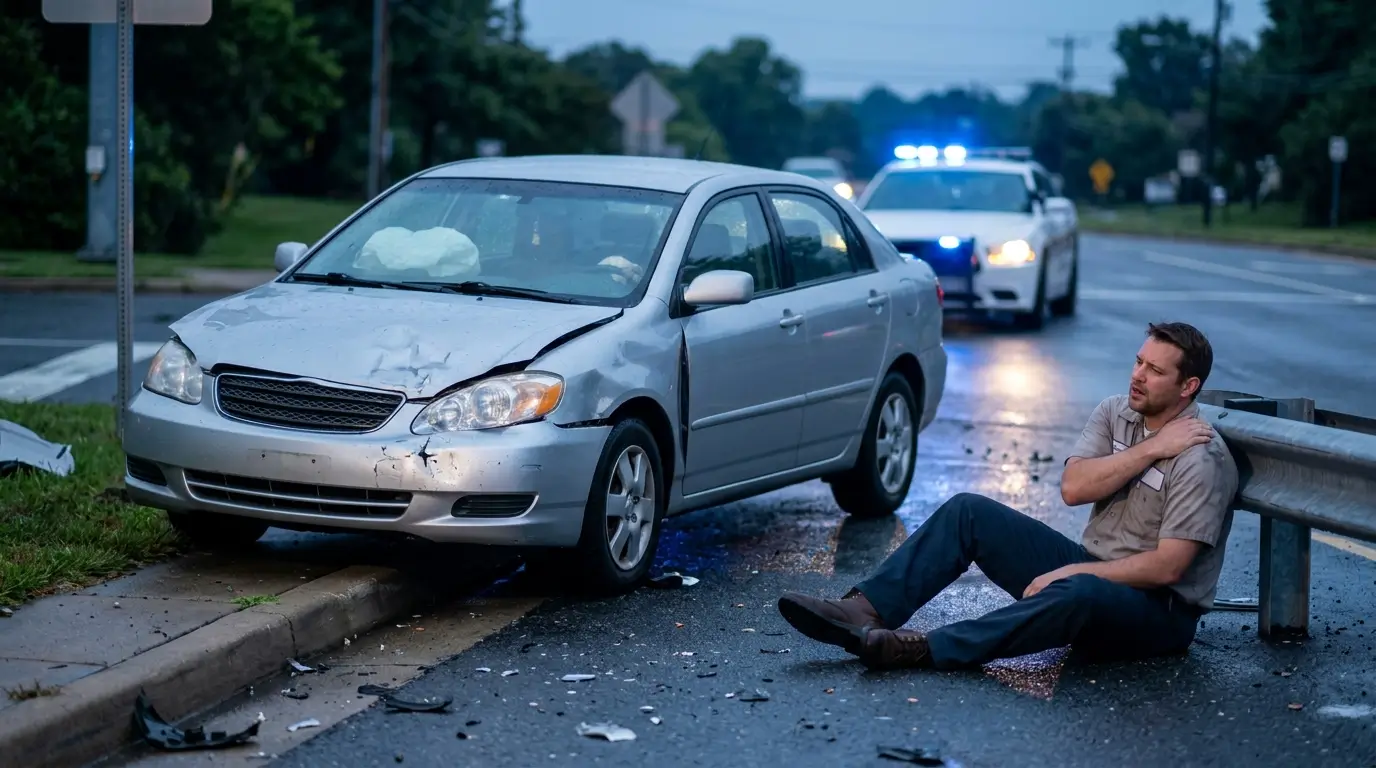
The best thing to do is contact us as soon as possible after the crash.
The outcome of what happens when children are hurt in a wreck in Virginia frequently depends on the steps that are taken in the early stages following the accident. Insurance companies generally begin their investigations immediately; within just a few days, dash cam recordings from other vehicles involved in your accident, traffic camera footage, and contact information for witnesses can be lost.
By contacting Tatum & Atkinson Law Firm early in the process, we can:
- Preventing and securing critical evidence from disappearing
- Delivering legal hold notices to all relevant parties
- Advising what to say (or not say) to the insurance adjuster
- Fully documenting your child’s injuries from day one
Every Virginia personal injury claim for minors is handled on a no-win, no-fee contingency basis (meaning you will not have to pay anything unless we recover money for you). Therefore, there is no financial risk in contacting us.
Call (800) 529-0804 today for a free consultation. Your child deserves the best type of legal representation that will aggressively pursue their best interests, just as you would!
Frequently Asked Questions!
Can a child receive compensation for emotional trauma after a car accident?
Absolutely; Virginia law allows for compensation for psychological trauma (i.e. PTSD, anxiety, emotional distress). Damages are documented by the therapist`s records of treatment, confirmed through behavioral observation, in addition to expert testimony.
What happens if accident injuries affect a child’s future development?
Courts in Virginia provide compensation for long-term impacts caused by disabilities like cognitive delay, delayed education, and chronic activity. In conjunction with medical and life care specialists, they assist in estimating the projected loss of any individual making up a disability-related claim.
Does a settlement involving a child require court approval in Virginia?
In the state of Virginia, a circuit court under Virginia Code § 8.01-424 must approve all minor settlements to ensure that the terms of the agreement genuinely meet the child’s best interests and that any money is managed appropriately or is placed into a secure trust.
Can parents recover compensation for time missed from work while caring for an injured child?
Parents can recover lost wages due to taking an unpaid leave of absence from work. In Virginia, parents who need to take time off work to care for their seriously injured children may recover those economic losses as part of the child injury claim Virginia.
What if a child’s injuries seem minor but symptoms appear later?
Obtain a medical evaluation quickly upon the onset of new symptom(s) and document completely. Delayed symptoms occur frequently after a crash, and Virginia law permits claims for these conditions that developed or deteriorated after an original accident.
