Why Are Children More Susceptible To Dog Bites In Virginia?

Key Highlights
Why Are Children More Susceptible To Dog Bites In Virginia?
- Physical Vulnerability: Youth are at a higher risk of receiving greater injuries from a dog attack because their smaller size physically places their head and neck level with a dog’s mouth.
- Behavioral Triggers: Child vocalization (high-pitched) and movement (quick, erratic) can also trigger a dog to respond due to its instinctual prey drive.
- Virginia’s “One Bite” Rule: Understanding how the state of Virginia’s “One Bite” rule applies to claims for compensation for dog bite injuries will be essential in successfully making a claim
- High-Risk Breeds: Although the potential for dog bites exists across all breeds, some breeds are significantly associated with dog attacks on young children and the severity of those attacks.
- Legal Recovery: Families may receive Virginia dog bite medical compensation for medical expenses, plastic surgery, and trauma as a result of the dog attack.
Seeing your child in pain is one of the worst experiences a parent can have. When your child’s pet, or perhaps a neighbor’s dog, attacks them, there are both physical and psychological wounds that may never heal. As a Virginia dog bite lawyer, I have witnessed the devastating effects of a dog attack firsthand. The first step to preventing dog attacks and gaining legal damages is to fully understand how dog attacks occur.
I go by Robert Tatum. The legal practice of Tatum & Atkinson Law Firm assists families via dog bite-related injury claims throughout Virginia. I create Virginia dog incident claims; I seek damages related to medical expenses, emotional distress from this type of injury, and ultimate long-term recovery for our clients.
The Core Conflict: Why Are Children More Susceptible To Dog Bites in Virginia?
In the Commonwealth, the question that many parents have about why dogs are more likely to bite children can be answered with an understanding of the differences between children and dogs as they grow. According to the AAP, the majority of the child bitten by dog in Virginia cases tend to be children aged 10 and under. These children also tend to suffer a greater number of injuries to their face and head than other types of injuries from dog bites. The reasons for this have both to do with the way a child grows physically and the way he/she grows nutritionally. When a child grows, he/she has not yet developed the same physiological potential as an adult.
Therefore, the area of greatest risk for a child corresponds to his height. When a child is a toddler, they are at an equal height level to a medium/large dog, and because of this, the child’s most prone injury zone will be in areas that fall within the dog’s “strike zone.” Secondly, when a child is a toddler, they have not yet developed the ability to understand the social cues that indicate there may be a potential danger. As a result, when a child sees a dog exhibit aggression (growling, showing teeth, or tucking their tail), a toddler may see this behavior as an invitation to play or as a funny-looking face.
Understanding the Legal Landscape: Virginia’s Dog Bite Laws
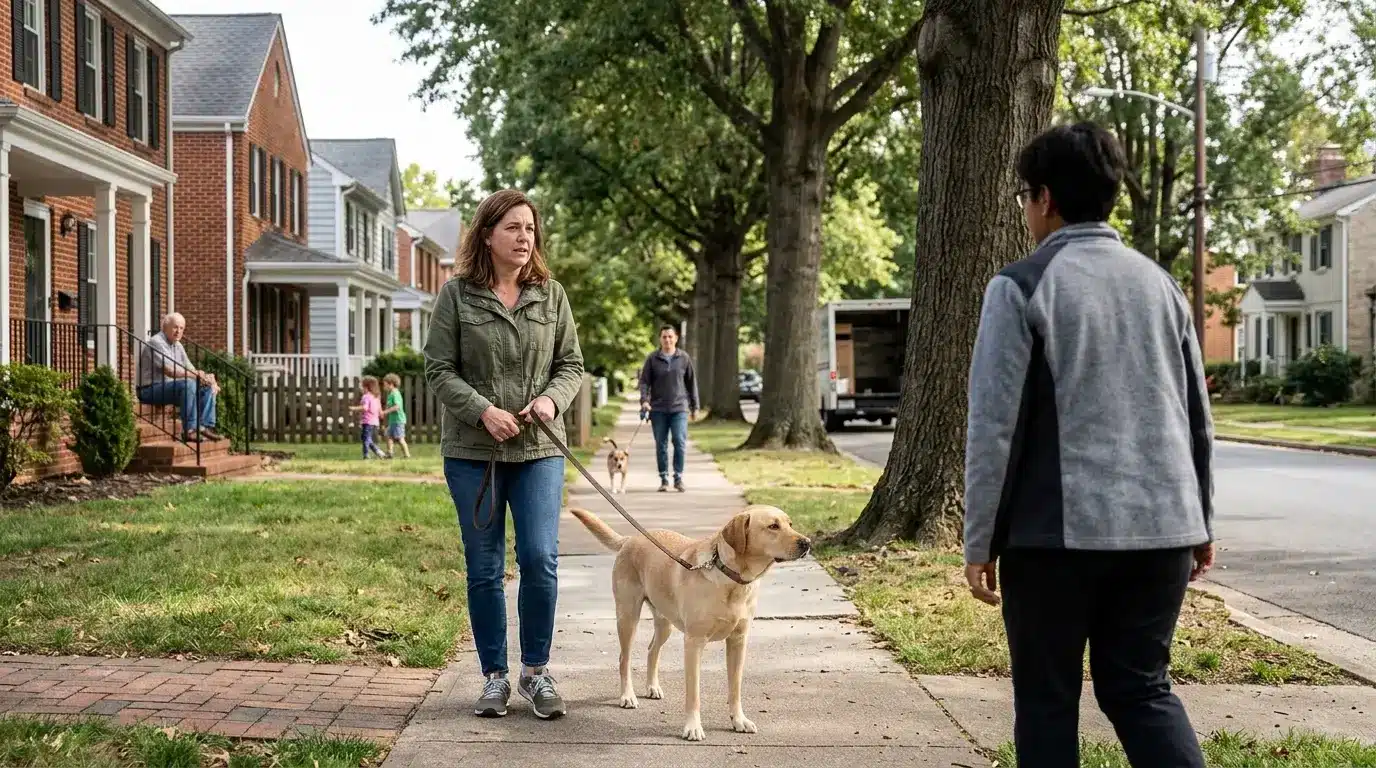
To effectively navigate a Virginia dog bite injury claim, you must be aware of all applicable Virginia dog owner liability laws. Virginia does not have “strict liability” (meaning an owner would be liable for his or her dog biting someone, no matter what the dog had previously done). Instead, Virginia follows what is referred to as the “one bite rule” when evaluating dog bite claims.
Does Virginia Have a One-Bite Rule?
Currently, Virginia operates as a ‘negligence’ state; therefore, a Virginia dog attack attorney must show that the owner did not show ‘reasonable care’ in preventing the dog from injuring others or that the owner knew (or should have known) that the dog had a ‘propensity for viciousness.’
Thus, having a first-time bite does not provide blanket coverage or immunity from liability.
- Negligence Per Se: If an owner violates any local law (such as Fairfax County’s ‘leash law’ or Richmond’s ‘dog-at-large law’), that violation will be treated as negligence per se; therefore, the mere act of violating the law is sufficient to establish the defendant’s negligence.
- Knowledge of Propensity: If the dog has growled aggressively or lunged towards a neighbor or bitten someone in the past, the owner has constructive notice of the dog’s dangerousness; therefore, it is vital to retain an attorney with experience representing children bitten by dogs in Virginia so that the attorney can perform an investigation of both the animal control history for the dog or the owner and gather evidence of the owner’s knowledge of the dog’s dangerousness from neighbor contact.
Authentic Studies: What the Data Says About Pediatric Injuries
The Scientific Information Resources Center of the University of Florida has published multiple studies indicating that dogs attack children at a much higher frequency than adults. Many Pediatric dog bite lawyer Virginia report that many of these incidents are more serious in nature due to the strength of the canine mouth in relation to the size and bone density of the child.
Which Dog Breed Attacks Kids the Most?
Breed-specific legislation has become an emotionally charged topic; however, trauma center data gives us better insight into this issue. According to the National Institutes of Health (NIH), Pit Bulls and mixed breeds that share many of the same physical characteristics are associated with the most severe injury (by the amount of damage done to the body) from dog bites.
Yet, because “the breed is often unknown or misidentified,” our Virginia dog bite injury attorneys focus on who the owner was and what they did instead of solely focusing on the dog itself.
The Impact of Rabies and Health Risks
In Virginia, domestic animals are rarely diagnosed with rabies because state law mandates that all dogs or cats (domestic canines and felines) must be vaccinated against the disease. According to the Virginia Department of Health, rabies is 100% fatal in dogs and virtually 100% fatal in humans if they do not receive treatment immediately.
Therefore, if a child has been bitten by a dog in Virginia, he/she should receive immediate medical evaluation. The expenses associated with post-exposure prophylaxis (or PEP) can be very high. Therefore, anytime someone files a claim for medical damage as a result of a Virginia dog bite, he/she shall include the costs related to the PEP in his/her claim.
How to Stop a Dog Biting Children: Prevention and Discipline
We’ve established at Tatum & Atkinson that education about how a dog behaves toward children is just as important as litigation surrounding dog bites. To prevent a dog bite from occurring to a child in Virginia, it is important to understand how to manage the relationship between canines and children.
What is the 7-7-7 Rule for Dogs?
The seven-seven-seven rule for dogs is an indicator of how long it usually takes for your dog to feel comfortable in your home.
- 7 Days: The dog will be feeling the highest amount of stress during this time and will be acting out of fear. He/she may be withdrawing or acting aggressively.
- 7 Weeks: The dog may be beginning to feel more comfortable in his/her new home and could start testing some limits with you and exhibiting true personality.
- 7 Months: By seven months into living with your dog, he/she should feel the comfort that comes from feeling at home, and a strong bond between you and your dog will exist.
Parents must realize that “disciplining” a dog after he/she has been bitten, whether by physical contact (hitting) or verbal (yelling), will not help to solve the problem and may even compound it. Disciplined dogs who have been disciplined out of fear or anxiety are much more likely to bite again.
The proper way to prevent future bites is to seek out professional behavioral training and to separate your dog from high-stress times, such as at mealtime, by using a positive-reinforcement-based dog trainer as recommended by the Spotsylvania County Animal Control Facility.
Seeking Justice: The Role of a Virginia Dog Attack Lawyer
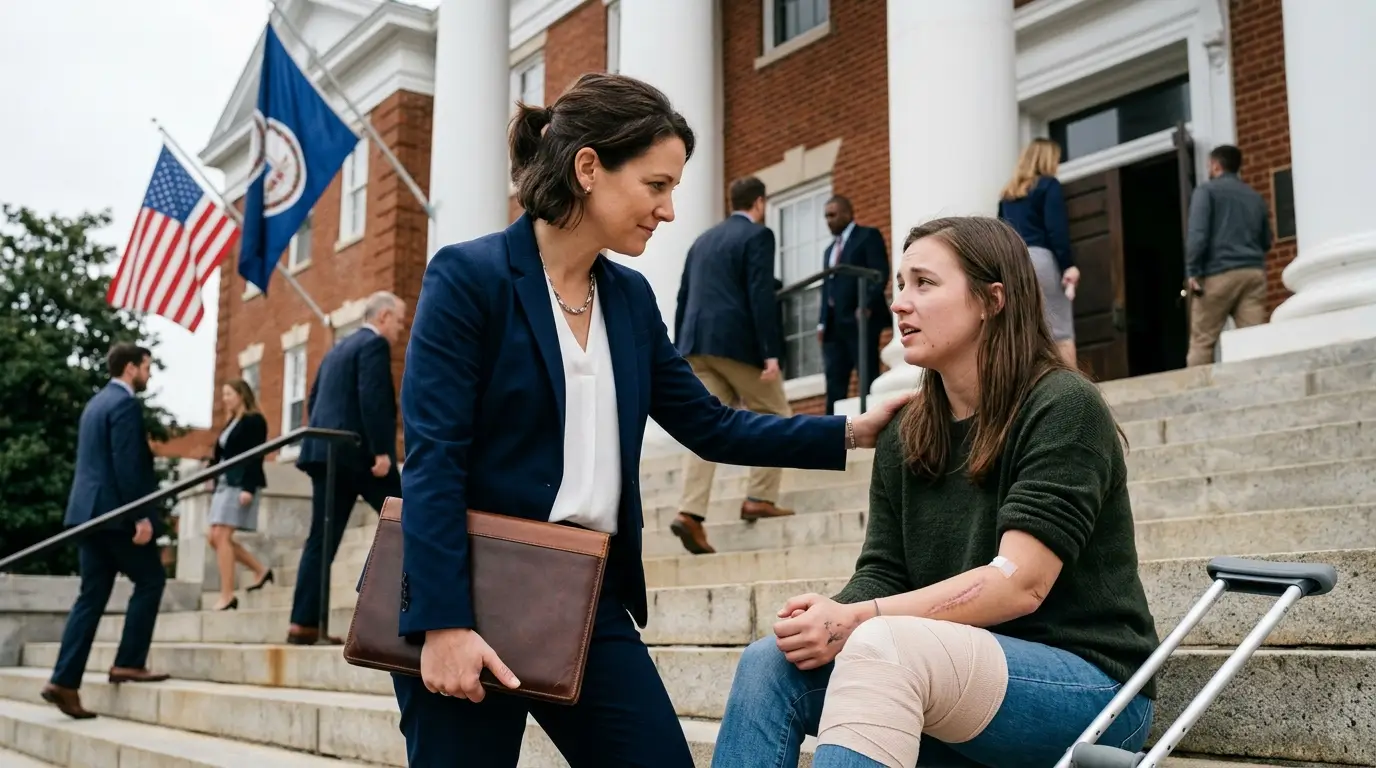
A child who has suffered from a facial injury from dog bite Virginia often has a lengthy recovery. Recovery includes multiple reconstructive surgeries, skin removal (for scar tissue), and years of psychological counseling.
Why Tatum & Atkinson Law Firm?
Tatum & Atkinson Law Firm has dedicated professional staff members who include experienced attorneys who strive to provide every client with the level of care and compassion that their individual situation deserves. We recognize that the goal of our clients is not just to receive compensation, but also to create security in the future of their child or family member.
- No Win No Fee: If we do not recover money as part of a settlement or verdict, we do not charge you anything!
- Experience Your Way: We have filed many dog bite cases successfully so that families can obtain the funds necessary for future reconstructive surgery or educational expenses.
- Support and Care: We provide you with assistance in the form of claims professionals so you can concentrate on helping your child heal.
Virginia Statistics
With our coverage area serving Virginia, we also assist all residents residing in the remaining mid-Atlantic states. According to USPS data, overall dog attacks against mail carriers are very common throughout these states, with cities in Virginia, such as Richmond and Norfolk, frequently placing among the worst offenders (in the United States) for the aggression of dogs toward postal workers. This statistic shows that a serious problem exists for dog owners and/or negligent dog ownership within the mid-Atlantic.
If you or your child suffered an injury as a result of being bitten by a dog in Virginia Beach or Raleigh (in either a private or public area), the Virginia personal injury dog attack attorney team will assist you in obtaining the maximum settlement for the injuries suffered by your child.
Case Study: Why Are Children More Susceptible To Dog Bites In Virginia?
Severe facial injuries were sustained by a child in Virginia due to being bitten by their neighbor’s dog. A dog bite lawyer in Virginia researched dog owner liability law in Virginia and established liability (proof of negligence) under the one-bite rule.
The severe dog bite injury lawyer Virginia, who specializes in dog bite injuries to children, developed the claim for the victim’s dog bite injury to help the family recover damages for their child’s medical expenses for surgery, trauma, and future care.
Results
Through the use of strong evidence, the family received damages for their child’s dog bite injury, including payment for medical expenses, reconstructive surgery, and psychological counseling. Because of competent legal counsel and outstanding negotiation, a child scar injury settlement Virginia, sustained by the child, was reached.
Financial Recovery: What is Your Claim Worth?
An experienced Virginia dog bite attorney will consider all relevant factors when evaluating the total damages for a traumatic dog bite injury case, including:
- Immediate medical costs (emergency room treatment, stitches, and antibiotics)
- future reconstructive surgery (children grow, hence the scar will probably need multiple “revision” surgeries over an extended period)
- pain and suffering (the physical pain caused during the attack)
- mental anguish (many children develop a lifelong fear of animals or suffer from nightmares)
- lost income potential (in some rare, catastrophic cases, permanent disabilities will occur).
Only a traumatic dog attack lawyer Virginia can help you with these.
Contact Tatum & Atkinson Today
The question is, why are children more susceptible to dog bites in Virginia? has been raised is not just due to numbers or statistics; it relates to how safe the community will be based on whether or not negligent pet owners are found liable for their actions. At Tatum & Atkinson, we believe addressing the issue by holding negligent pet owners accountable is important for making our state of Virginia safer for every child.
If your family has suffered from an attack, please remember that you have a team of qualified attorneys ready to assist you. We have the experience, authority, and awareness of local laws to effectively navigate the Virginia dog owner liability statutes.
Call Tatum & Atkinson at (800) 529-0804 today to speak with one of our attorneys and receive a free consultation.
FAQs: Why Are Children More Susceptible To Dog Bites In Virginia?
What should I do if my child was bitten by a dog in Virginia?
Clean the wound and get to a hospital emergency room as soon as possible. Find out who owns the owner’s information. File a report. Contact (800) 529-0804 to speak with a child dog bite lawyer Virginia.
Can I sue a dog owner if my child was attacked in Virginia?
If we can show that the owner acted irresponsibly or if we know the dog is aggressive, we can sue them. Usually, their homeowners’ insurance will cover any claim, regardless of whether it’s a family or a friend’s relationship.
How much compensation can my child receive for a dog bite injury in Virginia?
There is really no “average” settlement when it comes to dog bite cases; however, cases involving severe and permanent facial injuries often receive large settlements. Our dog bite attorney for children Virginia ensures that future medical expenses are included in the total demand amount.
Why are children more vulnerable to severe dog bites in Virginia?
Their size/mass, lack of fear, and not being able to read the stress signals of animals make them the main targets for a favorable outcome in many cases. This includes the fact that interaction between children and dogs is increased because of the mix of urban and rural areas in Virginia.
Who pays medical bills after a child dog bite injury in Virginia?
Typically, the insurance provider for the dog’s owner will be liable for Virginia child dog bite injury. If the owner doesn’t have insurance, there may be other options for obtaining compensation for your injuries; a Virginia dog bite expert can help you look into these other possibilities.
