What Is A Pedestrian Accident In Virginia?
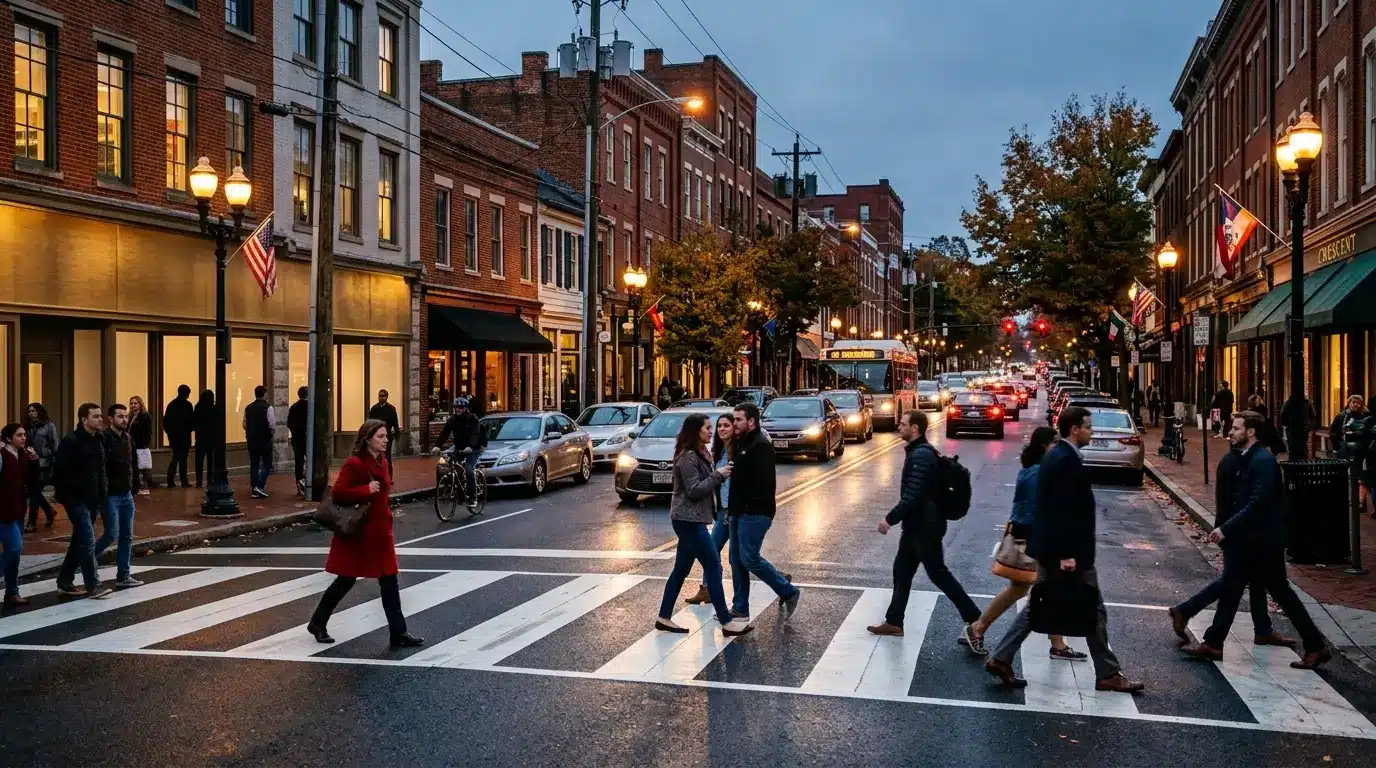
Key Highlights About Pedestrian Accidents in Virginia
- Pedestrians include anyone moving on foot, whether in a wheelchair or being carried in a stroller.
- Generally, pedestrian accident in Virginia happen when someone crossing the street is injured by a vehicle.
- It is the duty of the motorist to see pedestrians and allow them to pass, whichever marked and unmarked crosswalks they are using.
- The pure contributory negligence / 1% rule operates in Virginia with respect to such accidents, which means that even the smallest fault of the pedestrian will terminate the case.
- In the event of an accident caused by a speeding motorist, such a driver forfeits right-of-way when speeding.
Nevertheless, the legislation of the state contains a much more elaborate litany of provisions and rules on how the mistakes of both parties should be treated in these cases.
My name is Robert Tatum, and I am representing Tatum & Atkinson Law Firm.
What Is Constituted as a Pedestrian Case, and What Is the Definition of a Pedestrian?
In the state of Virginia, pedestrian accident in Virginia cases are defined as accidents that occur as a result of a collision between a motor vehicle and a pedestrian. The term ‘pedestrian’ is not restricted in Virginia legislation to just walking humans, but also to persons sitting in wheelchairs, pushchairs, and scooters as well.
Pedestrian accidents can occur:
- At marked and unmarked crosswalks/intersections
- in parking lots where motor vehicles back up and turn
- on sidewalks close to entrances and driveways
- in homes and educational institutions
The Obligation of Drivers and Pedestrians
Drivers and pedestrians must comply with the right-of-way delineated by the laws of Virginia. According to Va. Code § 46.2-924 (driver duty to stop), the obligations of pedestrians and drivers stipulate the responsibility of the driver to yield to pedestrians at any crosswalk (regardless of whether it is marked and unmarked crosswalks) and at any intersection where the speed limit does not exceed 35 mph.
If the driver did not comply with the duty to give way to a pedestrian at an intersection, he/she would be deemed to be negligent in terms of negligence per se. There are § 46.2-923 / § 46.2-926 (pedestrian duties) responsibilities too, as indicated in section 46.2-923 and section 46.2-926. If pedestrians cross the road without a pedestrian crossing, they need to give way to any car that is approaching.
Causes of Crosswalk Accidents

In a great number of crosswalk accident cases, the main reason is that drivers are not aware of pedestrians, or pedestrians are not noticed. The causes of these incidents include:
- Failure to yield / prima facie negligence of the right-of-way to pedestrians
- Having a distracted driver who doesn’t see the pedestrian because he/she is on a phone or preoccupied
- Driving under the influence of illegal substances and alcohol
- Driving fast and decreasing reaction time
- Bad weather conditions like twilight, nighttime, or poor visibility
- Wrong turns
- Inattentive reverse driving
Fault and Responsibility in Pedestrian Injury Claims, the 1 Percent Rule, and Pedestrian Trap
The issue of fault is very important in pedestrian injury claim cases in Virginia. Due to the pure contributory negligence / 1% rule, if the pedestrian is at fault for any percentage, he/she will not receive any compensation. However, there is more to the issue. When a driver forfeits right-of-way when speeding or breaks traffic rules, they lose their right-of-way, which can lead to liability.
Proof, Injuries, and Compensation Options
As the issue of negligence is quite debatable, the evidence is key to the outcome of an accident claim. The evidence can be: the surveillance / traffic-camera footage recorded by a traffic camera, the testimony from the witness about what happened during the accident, the state of damage and mode of vehicle damage, as well as the information from the accident scene, including:
- road marks
- crossings
- the location of vehicles
These factors are needed to judge what happened in the accident. In some cases, a vulnerable road user, a pedestrian, sustains life-threatening injuries and has the right to get compensation in Virginia for the following:
If You Have Sustained Injuries in a Traffic Accident in Virginia, Contact Tatum & Atkinson Law Firm for More Information.

Your pedestrian injury claim must be considered in accordance with the facts and not the quick decision of the insurance company regarding the pedestrian’s fault. In case a person doubts his or her pedestrian rights Virginia, he or she must get in contact with a specialized law firm.
Your Heavy Hitters team from Tatum & Atkinson Law Firm works as your Virginia pedestrian accident attorney within our Cedar Bluff law practice. Our specialists have a complete assortment of knowledge regarding right-of-way rules of the road and the pure contributory negligence / 1% rule conclusion methods.
Call us now and get started at (800) 529-0804 for a free consultation.
Frequently Asked Questions!
Do pedestrians always have the right-of-way in Virginia?
It is expected of the driver to give way to vulnerable road user pedestrians. The collision with a pedestrian indicates that the driver was negligent per se. The fact that pedestrians were crossing the street in the middle of the road or not paying attention to the traffic lights does not mean that they don’t have to yield to the cars.
I was crossing outside a crosswalk when I was hit. Can I still recover?
However, this is indeed the type of situation insurance companies are looking for to avoid paying their accident claims. When the driver is caught speeding, or driving under the influence of drugs or alcohol, or distracted driving, it doesn’t matter whether a pedestrian was in the designated area or not; the blame for the accident lies with the driver. On top of that, there are certain last clear chance legal doctrines that allow you to successfully sue despite the accident.
What if I were hit by a car in a parking lot?
These locations are also some of the places where people are badly injured by drivers, and pedestrian rights Virginia prevail under Virginia laws. Drivers in these locations must be careful, and driving in reverse or turning without ensuring that there are no pedestrians in the way is considered dangerous.
How quickly does evidence disappear after a pedestrian accident?
Having security cameras installed in these parking locations is a huge advantage; the only disadvantage is that the surveillance / traffic-camera footage CCTV footage can only be available within a couple of days after the incident.
What does it cost to hire a Virginia pedestrian accident lawyer?
We won’t charge you a fee unless you win your case. When you have a pedestrian injury claim case, we handle it on a contingency basis, meaning that you won’t pay anything unless we win your case. This is particularly important for pedestrian injury cases, as there will be a lot of expenses involved in proving the case, including investigations, videos, and opinions from experts, all of which our personal injury lawyer attorneys provide to you free of charge.
