What Causes a Broken Sternum in an Accident in Virginia?
Key Highlights
What Causes A Broken Sternum In An Accident In Virginia?
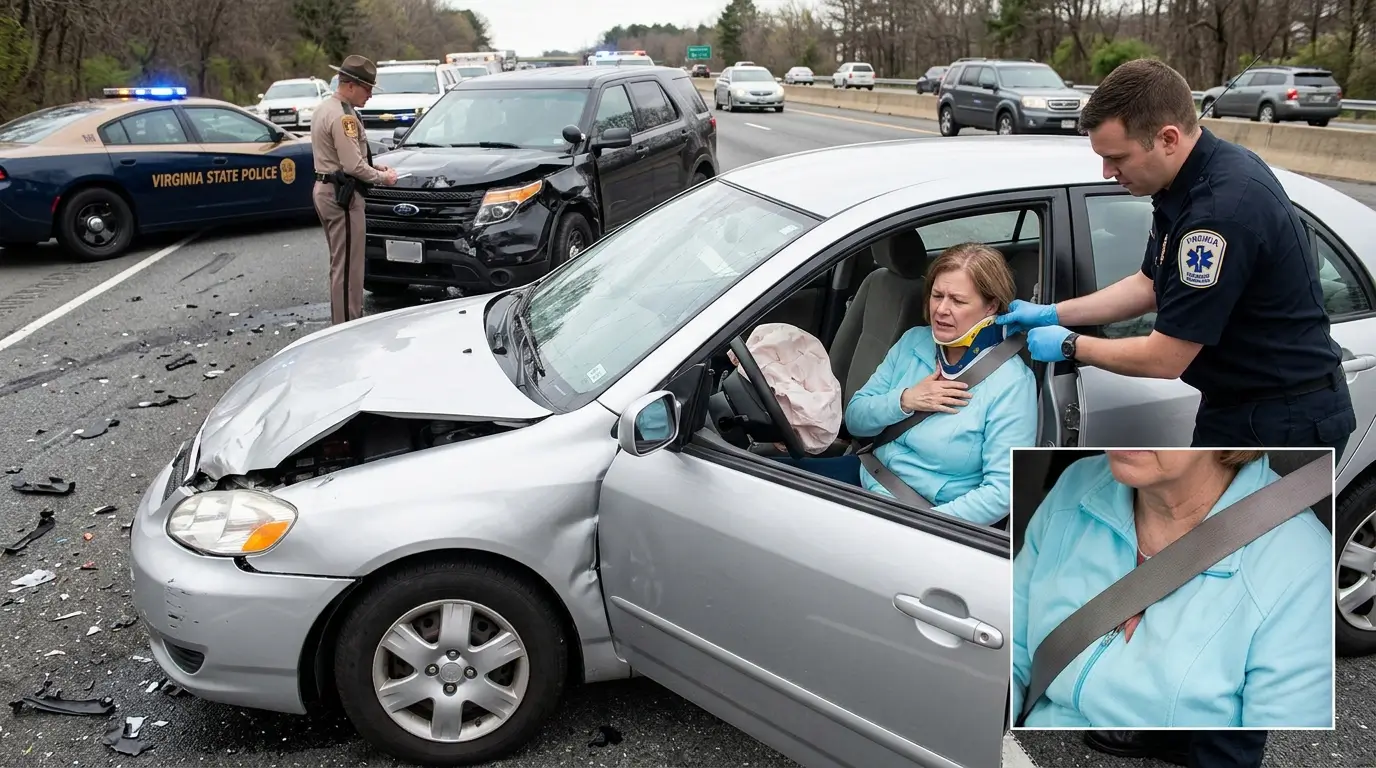
- Direct blunt trauma to the chest, such as that caused by an airbag deploying, a seatbelt tightening, or striking a steering wheel during sudden deceleration, is the most common method by which the sternum gets broken.
- According to the National Institutes of Health, 68 percent of all sternal fractures occur from motor vehicle accidents, with 3.0 to 6.8 percent of crash victims suffering from sternum fracture accident Virginia.
- Typically, people with fracture-related sternum pain will have pain for 8 to 12 weeks, and full recovery may take three months or longer.
- Settlement amounts for sternal fractures typically range from $70,000 to $250,000, with complex cases or cases requiring surgery often exceeding $500,000.
- Tatum and Atkinson Law Firm, known as Virginia’s Heavy Hitters, has recovered over $100 million in damages for its clients.
What Causes a Broken Sternum in an Accident in Virginia?
Auto accident rib and sternum injuries Virginia accident victim may suffer a fractured sternum when subjected to high-force blunt trauma to their chest. Common mechanisms of this injury include forcefully striking the steering wheel, the shoulder belt restraint across the body, or the deployment of an airbag during a motor vehicle collision that results in rapid deceleration.
Fractured sternums are considered very serious because they can compromise the function of vital organs, such as the heart and lungs. Consequently, injuries can result in severe respiratory problems, severe internal injuries that may require extensive recovery time, and extensive medical treatment. I am Robert Tatum, a sternum injury lawyer Virginia at Tatum Atkinson, representing injured victims in Virginia car accidents.
How Long Does It Take for a Sternum to Heal?
A sternal fracture without displacement may commonly take between 8 and 12 weeks to heal; however, it may take as long as 3 months longer to ease the pain due to inflammation, muscle strain, and/or tissue damage.
Signs your sternum is healing:
The sharp pain usually converts into an achy feeling after 4–6 weeks. As the fracture begins to heal and the band becomes stable, the crepitus becomes less prominent. Over time, your breathing will also begin to improve. On imaging, callus formation will be confirmed with CT or x-ray.
Warning signs requiring immediate care:
The emergence of new symptoms, such as difficulty breathing, fever, dizziness, or an irregular heart rhythm, indicates your recovery is not normal and may indicate a cardiac arrhythmia, a pulmonary contusion, or the development of pneumonia.
What happens when you hit your sternum really hard?
Not only does the force injure the bones, but it also continues into the chest cavity, putting at risk the heart (cardiac contusion), lungs (pulmonary contusion), and large blood vessels. Severe impacts can result in myocardial contusion (bruised heart), pulmonary contusion (bruised lung), hemothorax (blood in chest cavity), or pneumothorax (collapsed lung).
A Level I Trauma Center study published in PubMed shows that patients with sternal fractures have about an 8% incidence of cardiac contusion; however, the Cleveland Clinic indicates that it depends on the severity of the trauma, with 10% of patients suffering from cardiac contusion (8%). Because none of these complications are visible on plain film (frontal X-ray view), they all require CT imaging, ECG monitoring, and cardiac biomarker testing to determine their presence.
How Is a Sternum Fracture Treated?

The severity of the fracture will determine the treatment for a fractured sternum. Displaced fractures are treated with rest, pain medication, and exercises to improve lung function. Displaced fractures may require surgical repair and fixation with titanium plates or wires to realign the bone.
Is a fractured sternum the same as a broken sternum?
Yes, a fractured sternum and a broken sternum describe the same injury. Treatment for fractures depends on the severity of the injury. Non-displaced fractures can be treated with rest, breathing exercises, and pain control, while displaced fractures may require surgical fixation of the bone ends. Recovery from a fractured sternum will generally take between 3 and 6 months. Many patients will also develop long-term problems with their ability to heal and move normally.
Is a Broken Sternum a Serious Injury?
The sternum is an extremely tough bone that surrounds & protects the heart and lungs; therefore, a fractured sternum indicates a very high-impact force. Approximately 3%-6.8% of crash victims sustain this type of injury. Most often, CT scans are necessary to identify an individual’s fractured sternum.
Under Virginia injury law, a fractured sternum is defined as a serious, objectively verifiable injury that generally requires extensive medical treatment and may warrant a substantial amount of financial compensation following such an incident.
What Causes a Broken Sternum in a Virginia Accident?
The annual figures put out by the Virginia DMV’s 2024 Highway Safety Annual Report show that about 6.1 million people in Virginia are licensed to drive, and there are 8.6 million registered vehicles; these figures will certainly provide daily opportunities for the high-energy impacts that can fracture someone’s sternum. The primary mechanisms by which sternal fractures occur include:
Steering Wheel Impact:
In a motor vehicle collision where someone is hit from the front, the occupant’s chest will push forward and, if an airbag does not deploy, the occupant’s sternum will hit the steering wheel (or dashboard) with enough force to result in a fracture. Frontal crashes, as documented on the NCBI website, are some of the most frequent mechanisms by which a sternal fracture occurs.
Seatbelt Force (“Seatbelt Syndrome”):
When a person’s body experiences quick deceleration while wearing a seatbelt, the force applied to their torso goes directly through their broken breastbone accident compensation Virginia. This has been proven through clinical trials, and there is a term for this phenomenon, “seatbelt syndrome.” Therefore, being properly restrained by a seatbelt does not guarantee that an individual will not be injured in a vehicle collision.
Airbag Deployment:
Airbags are deployed in an average of 30 milliseconds, with an explosive release of energy. The combined forces of the airbag and seatbelt can produce an impact on the chest wall exceeding that which a sternal fracture can support. A study published in PubMed Central found that only 13% of sternal fracture patients with a functioning airbag had one, suggesting that the absence of an airbag is associated with greater chest injury severity.
Rear-End Collisions:
When someone is hit from behind at high speeds, their chest will move toward the steering wheel due to the deceleration forces being transferred through the chest wall. When these deceleration forces occur, they can sometimes cause the breastbone (sternum) to fracture (fx), especially in older people with lower bone density.
Rollover and Side-Impact Crashes:
When someone rolls over or is hit by another vehicle (T-boned), and they get pushed against the roof, door, or B-pillar, the force of the lateral (side-to-side) compression can cause the breastbone to fracture, depending on the angle and speed at which they were impacted.
What Is the Average Settlement for a Fractured Sternum in Virginia?
In Virginia, a fractured sternum will generally settle for an average amount between $70,000 and $250,000; serious cases that have required surgery or complications of injuries can settle for as high as $500,000, depending on the specifics of your injuries, your losses, and the effect of the injuries on your long-term life.
What insurance companies don’t want you to know:
Insurance companies do not want to reveal that they will send out an adjuster as soon as possible, generally before you even understand how serious your injury is so that if you settle quickly, you will not have time to document any future complications from your injury. Complications, such as Myocardial contusion (heart bruising), chronic pain, and pulmonary complications, may take many weeks after the date of your injury to be accurately evaluated. Settling quickly ends your right to any future claims.
What not to say during negotiations:
Don’t say “I’m doing fine” or “It wasn’t so bad” to any insurance adjuster. Don’t agree to a recorded statement with an adjuster until you have spoken with a car crash chest injury attorney Virginia. Don’t accept an offer until your physician has determined maximum medical improvement (MMI). Everything you say may be used against you in order to decrease the amount of your broken chest injury settlement Virginia.
What Losses Can You Recover After a Broken Sternum in Virginia?

Your physical health is not the only thing affected by a fractured sternum. The financial and personal impact of this injury can last for months and sometimes even years. Under Virginia personal injury sternum fracture case law, you have a right to recover all of your losses from this injury and can do so through legal proceedings as long as your loss is documented.
Medical Expenses:
This will include all medical expenses associated with a crash, e.g., emergency room visits, diagnostic imaging, overnight hospitalization, surgery (e.g., fixation), consultations with specialists, prescriptions, physical therapy, etc. Additionally, any future treatment your doctor projects will be included. Any future costs for pain management or corrective surgery related to your injury should be included in today’s claim submission as well.
Lost Wages and Earning Capacity:
A broken sternum usually puts the victim out of work for weeks to months, with missed paychecks being recoverable losses while recovering. If the injury has permanently reduced your ability to do the job or has forced you to find a new career, the difference in earning capacity over your lifetime can be recouped under Virginia law.
Pain and Suffering:
The physical pain associated with a fractured sternum is considerable and can last a long time. The law in Virginia recognizes that chronic chest pain, breathing issues, disrupted sleep patterns, and the daily limitations associated with the injury have actual value in addition to the medical bills incurred for treating the injury. There is no cap on the amount of damages for pain and suffering in cases involving a fractured sternum.
Loss of Enjoyment of Life:
You can be compensated for the loss of enjoyment of life if your injury has limited your ability to participate in activities that were previously important to you, such as sports, hobbies, travel, or spending time with family.
Emotional Distress:
In addition to the physical injuries caused by the accident, many people who suffer from serious injuries also experience anxiety, depression, and post-traumatic stress. You may be compensated for documented mental health damages experienced as a result of your accident.
Loss of Consortium:
A spouse may also file a claim for loss of consortium. A spouse claims that they have lost the companionship, support, and affection of their spouse due to their injury. The law in Virginia permits recovery for loss of consortium, but insurance companies frequently dispute or downplay these claims.
How Tatum & Atkinson Protect Virginia Sternum Fracture Victims
Since 2005, Tatum & Atkinson Law Firm has been a veteran-owned firm helping injured Virginians recover more than $100 million. We build strong cases for sternum fractures by reviewing the complete medical record history of a patient, utilizing chest trauma after car accident Virginia specialists, and providing accurate calculations of damages for the remainder of their lives.
We do this as quickly as possible to ensure that it is done within Virginia’s two-year statute of limitations and provide the maximum amount of compensation you can receive.
Case Study: Virginia Sternum Fracture Car Accident Virginia Claim
A man in Virginia was in an automobile accident when another driver hit him from behind. The man suffered a fractured sternum as a result of hitting his chest on the steering wheel. He experienced severe chest pain and had difficulty breathing; he was hospitalized. After a CT scan (conventional X-rays did not show the injury), it was determined that the man had sustained a broken sternum that did not move and was also experiencing inflammation of the chest wall.
After gathering police, emergency room, and subsequent CT reports from a radiologist to prove causation and document the severity of injury, we consulted with medical experts to estimate the time frame needed for recovery from the fractured sternum, which was more than 12 weeks and included continued pain management, and also included the loss of work because of this injury. We also calculated future damages, including the rehabilitation required and the likelihood that the victim’s ability to earn income would ever be restored to his pre-injury level.
Result:
The case was resolved through a settlement that compensated the plaintiff for past and future medical expenses, lost wages, and long-term pain and suffering, reflecting the severity of the injury and providing the plaintiff with complete financial compensation.
What complications can develop if a broken sternum goes untreated or is misdiagnosed?
Without adequate monitoring, a myocardial contusion may result in potentially dangerous arrhythmias. Furthermore, inadequate pain management may lead to shallow breathing (which increases the risk of pneumonia/lung collapse). Additionally, unstable fractures may lead to nonunion (when the fracture does not properly heal). In addition, a missed CT scan may result in failure to diagnose serious internal injuries.
Can I still file a claim if I did not go to the emergency room immediately after the accident?
You are still able to file a claim, but it’s critical that you take quick action on your part, as failure to do so will allow the insurance company to argue your injuries are not significant or aren’t causally related to the accident.
This can be proven with a legitimate medical evaluation and documentation from your physician. An experienced attorney will use the delays created by you to moot your arguments and/or protect your rights to receive full compensation.
Contact us at (800) 529-0804 for your free consultation and Virginia case evaluation.
Frequently Asked Questions
Is a sternum fracture considered a serious injury under Virginia personal injury law?
Yes, a sternum fracture is classified as a Tier 2 injury in Virginia, which is more severe than soft tissue injuries. You do not have a limit on your pain and suffering from a sternum fracture.
Can I sue another driver for causing a chest injury in Virginia?
If negligence led to the accident, yes. Because Virginia applies contributory negligence to drivers, if you were at fault in any way in the traffic accident, it will lessen your ability to get some compensation or may even entirely eliminate your ability to get any compensation, so early legal assistance is critical.
What evidence helps prove a sternum fracture claim in Virginia accident cases?
The most compelling data consist of official police reports; complete medical treatment records, including surgical and heart-monitoring progress; lateral chest X-ray & CT results; employment papers pertaining to lost wages; and expert medical opinions linking the injury to the accident to support Virginia accident injury medical compensation claims.
How long do I have to file a broken sternum injury claim in Virginia?
Two years from the date of your incident, per Va. Code Ann. § 8.01-243. Be sure to file your Virginia car accident chest injury claim well before the expiration date so that evidence from the crash can be preserved and witnesses’ memories remain fresh.
What should Virginia drivers do after suffering a broken sternum in a car accident?
Virginia drivers should get medical care immediately, save crash and medical records, and avoid early insurance settlements before knowing the full extent of their injuries.
