What Is The Long Term Effect Of Traumatic Glaucoma In Virginia?

Key Highlights:
- The long-term effect of traumatic glaucoma in Virginia can lead to permanent, irreversible vision loss if left untreated, which is why seeking medical care and claiming full compensation is crucial.
- Unlike common forms of glaucoma that typically develop gradually over time, traumatic glaucoma is directly triggered by a specific eye injury.
- Traumatic glaucoma can occur right after receiving an injury or many years afterwards.
- If the cause of the injury was someone’s negligence, then subsequent development of glaucoma can also be claimed.
Traumatic glaucoma is a major sight ailment that can follow an incident of injury either immediately or after a long time. What people dread the most about this condition is the long-term effect, which entails permanent and usually irreversible loss of vision. It is important to know how it occurs and why it sometimes appears long after the traumatic event took place.
If you or someone you know becomes affected by the long-term effect of traumatic glaucoma in Virginia, you have to ensure that your health and your legal interests are protected. Tatum & Atkinson Law Firm is knowledgeable in the intricacies of delayed injury claims and can provide assistance in your recovery process.
Contact Tatum & Atkinson Law Firm at (800) 529-0804 and consult with our Virginia personal injury lawyer for free to maintain peace of mind about your future.
What Traumatic Glaucoma Is
Traumatic glaucoma is another form of glaucoma that occurs due to eye damage. Any injury to the eye causes a disruption in the drainage system, leading to a buildup of fluids, which results in increased pressure inside the eye (intraocular pressure (IOP)), damaging the optic nerve.
The main difference between this type of secondary glaucoma and primary glaucoma is that the latter emerges with age, unlike traumatic glaucoma, which has certain causes such as car accidents, falls, injuries at work, sports injuries, and attacks.
Why It Can Appear Years After the Injury

According to the American Academy of Ophthalmology, this type of glaucoma can occur at any moment in time, immediately following a catastrophic injury or long after it. Initially, this type of glaucoma does not show many symptoms, giving a person a false belief that nothing is going wrong.
The symptoms when they come include:
- Discomfort and redness of the eye.
- Blurriness of the vision and halos in the light.
- Frequent headaches.
- Gradual loss of the side and central vision.
As it can remain hidden for a long time, it is important for people who have received a serious trauma in their eyes to go through pressure checks over a long period of time, even if there are some years after the trauma.
Long-Term Effect of Traumatic Glaucoma in Virginia
In cases where the injured person experiences elevated pressure for some time, it can damage the optic nerve, and the individual may become blind for the rest of his/her life.
Long-term effects can include permanent vision problems and partial/ total blindness of the injured eye, and loss of depth perception. However, for many people, loss of independence is the most difficult price of the disease, which might be worth as much as medical bills.
Treatment and Lifelong Care
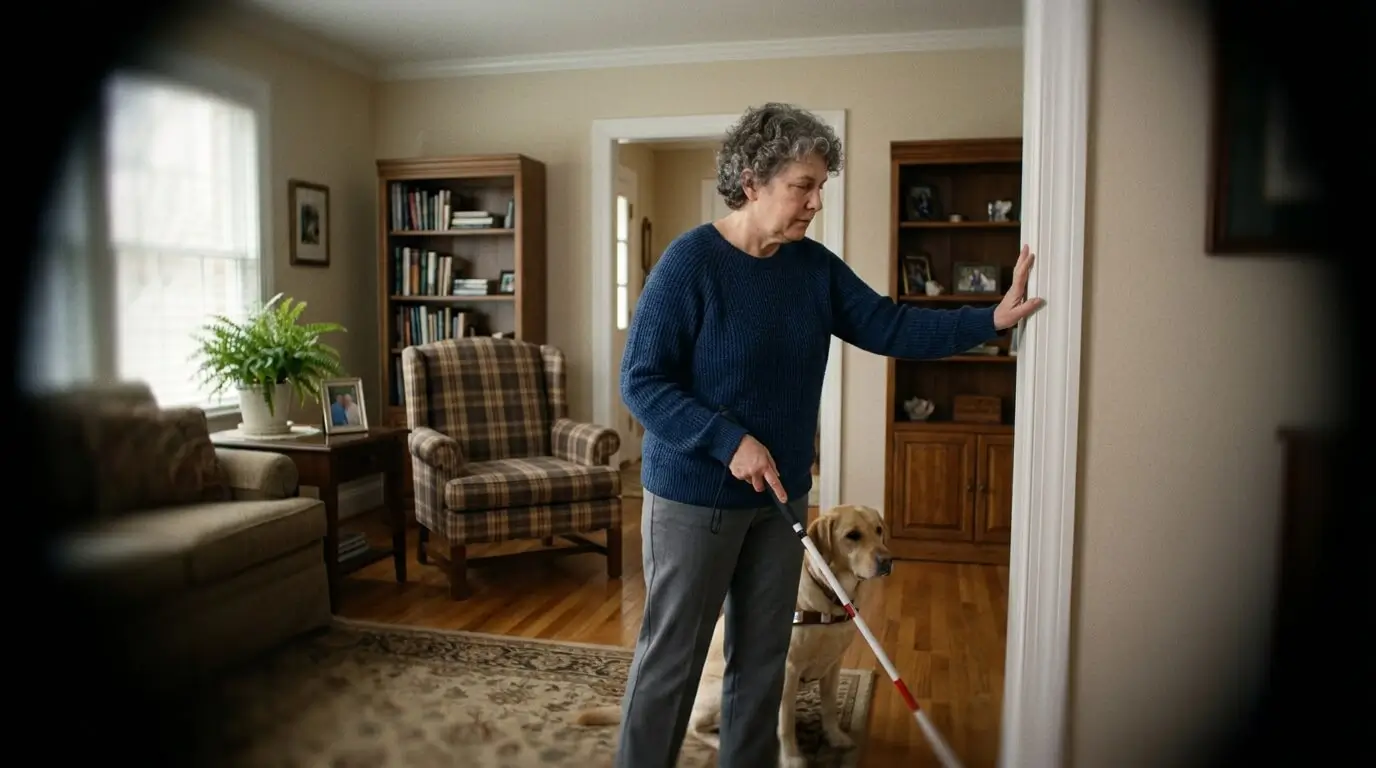
Treatment of traumatic glaucoma is generally a long-term endeavor. The goal of treatment is to reduce the eye pressure in order to preserve existing vision. Drops, medicines, lasers, and surgical methods such as drainage implants can be used to achieve this aim. Though a good deal of treatment is done by the patient at home, regular follow-up visits to an ophthalmologist are usually required for a lifetime.
Liability, the 1% Rule, and Compensation
If the negligence of a person was the cause of an eye injury, they will not be exempt from any liability, such as future glaucoma. Connecting the incident with the diagnosis of the condition made years later will involve obtaining verification from an appropriate doctor.
In Virginia, where the strict contributory negligence rule applies, if the person suing has contributed even a little to their injury, then they will be denied compensation.
A strong case can claim reimbursement of medical expenses connected with damages, as well as costs of the treatments required in the future, salaries lost, and emotional distress caused by the injury; Virginia makes no restrictions in terms of damages.
According to the law of Virginia (Va. Code § 8.01-243), one has two years from the moment of the accident, but since this type of injury may show up long after the accident, it is better to consult a lawyer as soon as possible.
Protecting Your Future After a Catastrophic Eye Injury

The loss of vision, even partial, can alter the course of everyday life, and the burden of such a diagnosis does not need to be carried alone. If the long-term effect of traumatic glaucoma in Virginia are affecting your life, it is crucial that you obtain proficient legal assistance.
Tatum & Atkinson is located in Cedar Bluff, Virginia, and deals with cases related to catastrophic injuries in Virginia. Att. Jon Ward has been duly licensed to practice in the state of Virginia and is therefore involved in dealing with the cases there.
If you try calling (800) 529-0804, you will receive a free consultation.
FAQs: What Is the Long-Term Effect of Traumatic Glaucoma in Virginia?
My glaucoma showed up long after my accident. Can it still be connected to the crash?
Delayed onset of glaucoma is well known and accepted in medicine, and it can appear after years or months of the incident. However, on the legal side, Virginia’s law states that the time limit usually runs from the time of the injury rather than the diagnosis, so do not assume it is too late, but do not waste time finding out.
How do you prove the accident caused the glaucoma and not something else?
The ophthalmologist uses both facts and opinions of specialists. Any information about the accident and the course of treatment can help the doctor determine whether the injury is responsible for the development of glaucoma.
What could a traumatic glaucoma claim be worth given the lifelong care?
There is no exact number of damages because it is important to cover all aspects of this illness, not only the costs that have occurred. In the case of glaucoma, which is usually a lifelong condition, the calculated number of damages would include future expenses, medicines, and procedures, together with lost income in case of losing the job capacity.
I did not get my eye checked right after the accident. Does that hurt my case?
If there are many years between your accident and your diagnosis, it could create a problem in your case. Your adversaries will argue that whatever glaucoma you have may not be related to your accident but caused by something else. You should avoid trouble by scheduling a medical examination as soon as possible so you can connect your health issues with the accident.
What does it cost to talk with a lawyer about a serious eye injury?
Such cases are usually handled on a contingency basis, so there is no obligation to pay the attorney unless some compensation is received. This is important here because it may take a lot of work from ophthalmologists and a detailed examination of the case to prove the personal injury claim, all of which may be paid by the firm upfront rather than charging you out of pocket.
