How Can I Find Out If A Trucking Company Has A History Of Safety Violations In Virginia?
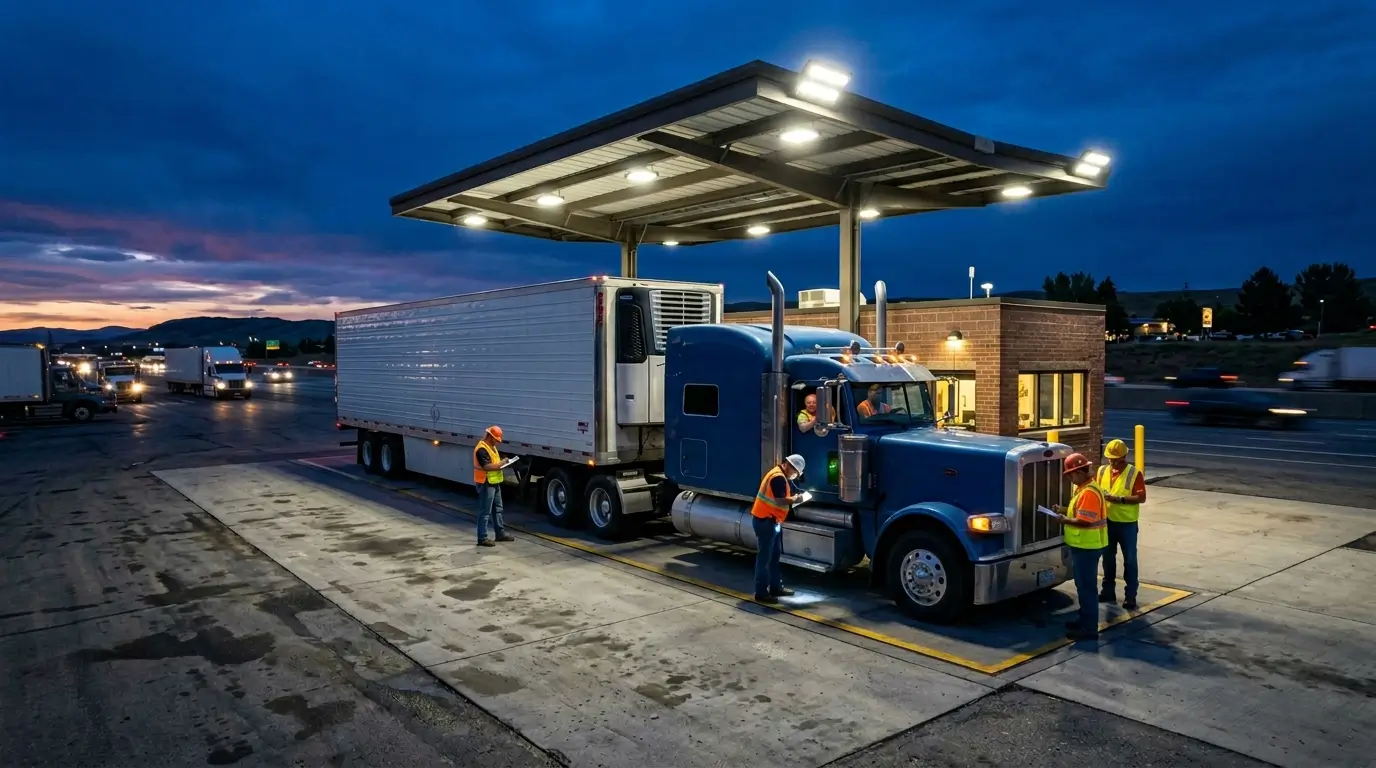
Key Highlights:
- Finding out how can I find out if a trucking company has a history of safety violations in Virginia is easy through the FMCSA’s free SAFER and SMS databases. Simply enter the carrier’s USDOT number in the appropriate box and check for violations, alerts, and safety ratings.
- Look for signs of major red flags such as violations that result in FMCSA intervention alerts, “conditional” or “unsatisfactory” ratings, and high Out-of-Service (OOS) violation rates.
- If you see multiple violations, it may indicate a pattern of carelessness on the part of the employer and thereby support your personal injury case under Virginia law.
- When considering evidence, attorneys will take prompt action to protect it since public online records are only visible for two years, and physical proof (i.e., black boxes included with trucks) may disappear unless the attorney sends a spoliation notice in a timely fashion.
If you’ve been hurt in an accident with a big rig in Virginia, your lawyer should start by asking, “How can I find out if a trucking company has a history of safety violations in Virginia?” This answer holds considerable weight. A single collision can be attributed to an event that is beyond the truck driver’s control, whereas a string of safety violations, poor DOT inspections, and previous accidents all point to a corporation that is more concerned about profit than safety.
Federal records on trucking company safety records Virginia are publicly available, but the challenge comes in determining where to find the records, what they mean, and how to incorporate that information into a viable legal claim.
Our legal team at Tatum & Atkinson Law Firm handles all of this for injured Virginians at no cost up front. Additionally, this resource provides answers to many of the key aspects involved and discusses when you should take action.
For any further questions or free case evaluation, contact our truck accident lawyers in Virginia at (800) 529-0804.
What Is the FMCSA and How Can I Find Out If a Trucking Company Has a History of Safety Violations in Virginia?
The federal government organization that is responsible for regulating truck freight (commercial trucking) in the U.S. is the Federal Motor Carrier Safety Administration (FMCSA). As the federal gov’t agency that oversees and sets regulations for both the carriers themselves as well as the drivers of those carriers, the FMCSA also has an extensive public database of the FMCSA carrier safety history in the U.S.
Every federally registered carrier has an assigned USDOT number. That USDOT number provides a federal linkage to all of the trucking company inspection records, crash results, and trucking company compliance violations.
Tools Available to Check a Trucking Company’s Safety History
Two official websites allow you to check a carrier’s records using their USDOT number for free:
1. The SAFER System
- Website: safer.fmcsa.dot.gov
- What It Shows: A high-level overview of the carrier, including its current operating status, its official safety rating, a rolling 24-month summary of inspections, out-of-service violations, and any crashes.
2. The Safety Measurement System (SMS) Portal
- Website: ai.fmcsa.dot.gov/SMS
- What It Shows: A comprehensive picture of how well a carrier is doing in seven safety categories, including unsafe driving, vehicle maintenance, and compliance with the HOS rules.
Understanding CSA Scores and Percentiles
The SMS portal will provide CSA safety scores as percentiles to compare a carrier to its peers. For example, if a carrier is at the 85th percentile for unsafe driving, it means that it is worse than 85% of other similar carriers.
When the FMCSA determines that CSA safety scores trucking company have exceeded intervention thresholds, it flags them, and the agency will initiate formal scrutiny and/or investigation. Because flagged scores are highly relevant evidence for establishing a pattern of poor supervision or maintenance in personal injury and truck accident litigation, they can be used to demonstrate that there was a negligent act committed against another party.
How to Read a Trucking Company’s Violation Records in Virginia
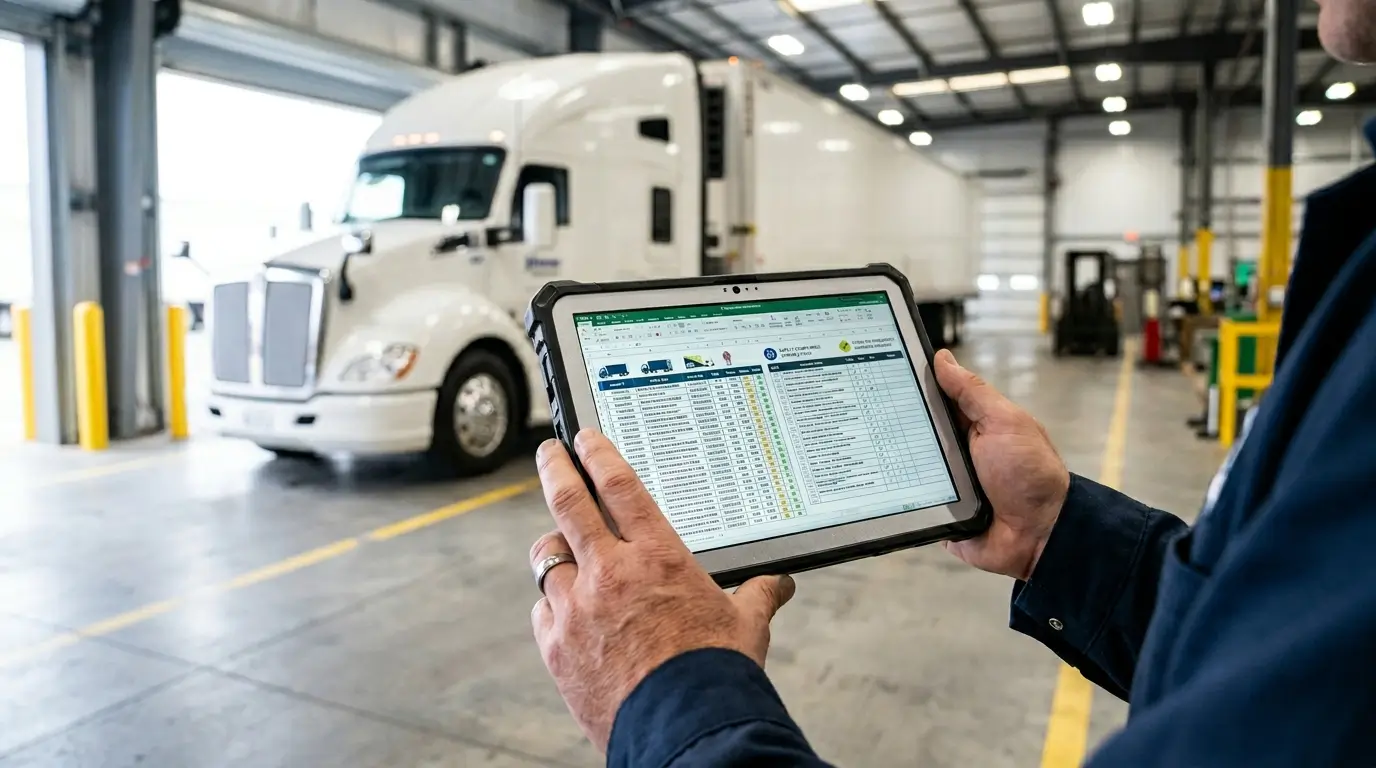
To establish a solid case of commercial truck safety violations in Virginia, it’s important to analyze two data sets maintained by the FMCSA in addition to the general scores: Roadside Inspection Records and Crash Records.
Roadside Inspection Records
Every roadside inspection carried out on the driver or the commercial vehicle is publicly recorded. These reports provide details about each violation of safety standards for the inspection of large trucks and whether each driver or vehicle was placed out-of-service (OOS).
- The OOS standard: The OOS requirement indicates that the driver’s or vehicle’s defect was so serious that they were prohibited from operating the vehicle until appropriate repairs were made.
- The takeaway: A high OOS rate is one of the most obvious indicators of the lack of the carrier’s commitment to maintaining its vehicles.
Crash Histories
The Federal Motor Carrier Safety Administration records all reportable accidents in its accident database to evaluate the safety of the carrier over a prolonged period of time.
- What defines a reportable crash: A reportable accident includes all accidents that involve an injury, death, or require a vehicle to be towed away from the accident.
- How it helps in court: This data can be used in court to prove negligence in a personal injury lawsuit; while the data does not assign a legal fault, it can be used to demonstrate the frequent and severe occurrence of accidents, which would support the position of negligence.
The 3 Most Common Violations Found in Litigation
When analyzing Virginia truck accident reports, these three federal rule infractions are particularly prominent in successful litigation:
- Hours-of-Service (HOS) Violations: The law states that a truck driver can only operate for a certain number of hours consecutively. If the electronic logging devices document falsified logs and driving hours exceeding these limits at the time of the accident, these documents provide a wealth of evidence proving driver fatigue.
- Maintenance Violations: Faulty brakes, tires, and lights are often significant contributors to the cause of many fatal truck accidents. A driver operating a vehicle with any of these issues is subject to litigation based on negligence theories of failure to maintain or inspect the truck properly prior to driving.
- Driver Qualification Violations: The carriers are required to ensure each of their drivers has a valid commercial driver’s license and meets the federally mandated medical qualifications to drive commercially. If a driver operates a truck without the proper licensing, the courts in Virginia apply close scrutiny to such actions as violations of safety rules.
What Are Some Warning Signs That Suggest a Trucking Company Is Unsafe?
There are certain patterns that may emerge when reviewing the carrier’s federal records and Virginia truck carrier safety rating. These warning signs include:
- Conditional or Unsatisfactory FMCSA Safety Ratings: These ratings give the results of the formal federal compliance audits. These ratings show that a carrier has systemically lost quality and/or basic safety standards across all operations.
- FMCSA Intervention Alerts: If a carrier’s safety percentiles exceed acceptable limits, FMCSA will send out an alert to the general public. This alert shows that the regulators have classified the trucking company as a high-risk operator.
- Repeat Violations of the Same Type: While a single brake breach may occur by chance, if the same breach occurs on five inspections over 18 months, it could indicate that there has been a deliberate or negligent underfunding of the maintenance program.
“These signs are vital in establishing your claim on the basis of negligent management. Instead of showing the business was just careless on a single occasion, these warning signs show a clear systemic indifference by the trucking company towards public safety. Under Virginia law, establishing institutional negligence will make your case stronger, and could also provide the basis for punitive damages.” – Robert Tatum
How Attorneys Use Safety Records to Build Truck Accident Cases in Virginia
Public databases are just the beginning when it comes to uncovering critical information about the truck carrier involved in your accident. Experienced truck accident lawyers utilize the process of legal discovery to subpoena hidden, internal documents that demonstrate how a motor carrier’s history of unsafe trucking companies Virginia is linked to your accident.
- Securing Hidden Evidence: The attorney will issue a subpoena for access to public records, including maintenance logs, dispatch records, ELD data, and complete MCMIS investigation records.
- Preventing Evidence Destruction: The Tatum & Atkinson Law Firm sends spoliation letters to the trucking company to stop them from changing or destroying black box data and driver logs
- Analyzing Compliance Gaps: Records will be examined from the Federal Motor Carrier Safety Administration and compared with corporate internal documentation to identify systematic ongoing trucking company safety violations Virginia.
- Leveraging Industry Experts: The law firm will obtain expert witness statements from experts within the commercial trucking industry who can speak to the specific operational shortcuts the carrier violated when operating in violation of federal safety regulations and contributing to the accident.
This aggressive strategy connects the trucking company accident history lookup to the injury you suffered and is critical in determining whether your settlement achieved the goal of providing full compensation or not.
Take Help From Virginia Truck Accident Lawyers Before the Evidence Disappears
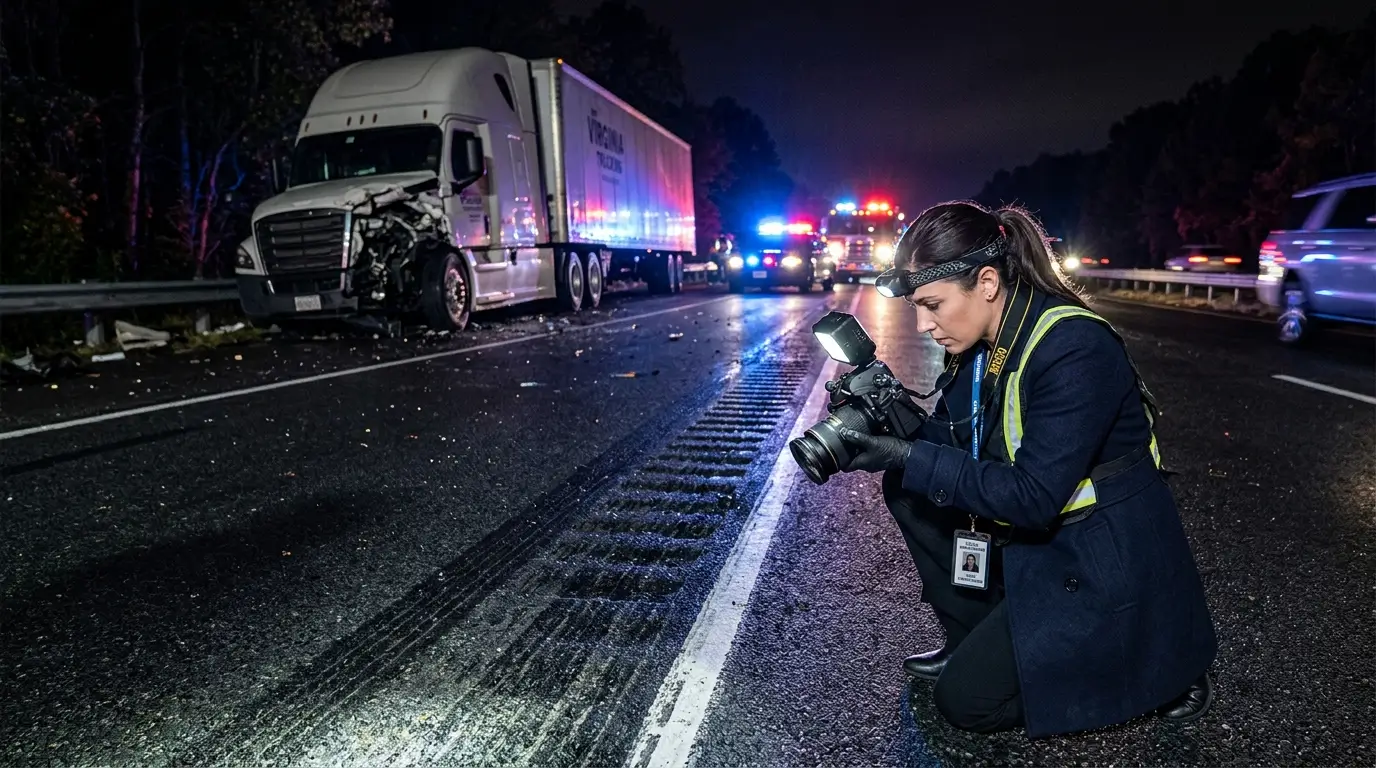
Wondering “How can I find out if a trucking company has a history of safety violations in Virginia?” The answer lies in using federal databases, targeted legal investigations, and attorneys who are familiar with Virginia’s courts and regulatory structure. There is also a short time frame to take action because ELD data is being overwritten, logs are being altered, and records are expiring.
Tatum & Atkinson Law Firm represents Virginia truck accident victims who suffer serious injuries while on the road, working on a contingent basis, which means we do not charge any legal fees until and unless they recover compensation for you. Their knowledge of the industry allows them access to the right sources of information, including other carriers and the law.
To get started, call (800) 529-0804 to schedule your free consultation. As they’ve stated, there is no win, no fee ever. until Tatum & Atkinson successfully recovers compensation for you.
Frequently Asked Questions!
Are all trucking company safety records publicly available?
The records of most carriers can be acquired via FMCSA, but only basic information, like carrier safety ratings, can be obtained through this means, whereas complete crash investigations or detailed basic score data require either an attorney’s subpoena or a formal legal discovery.
What is considered a “bad” CSA score for a trucking company?
A trucking company has a “bad” CSA score if it is above the FMCSA’s intervention threshold for safety, which is typically 65% for most categories, and 50% for hazardous materials.
Can a trucking company hide its past safety violations?
Not necessarily. Federal records are maintained separately from the carrier. But with the passage of time, entries age, and it may be very important to take legal action quickly to receive your full history.
Do safety violations automatically prove fault in a truck accident?
Crashes are connected to violations as evidence of negligence and don’t automatically prove fault. To be relevant to claim against potential liabilities in Virginia, these violations must be intertwined with the actual crash through expert testimony & legal reasoning.
How far back do trucking safety records usually go?
The public SMS database shows the last 24 months; however, full MCMIS records held by FMCSA can potentially cover even longer periods and will be available via formal legal process for serious accidents involving commercial vehicles.
