What Are The Crucial Pieces Of Evidence To Gather After A Truck Accident In Virginia?
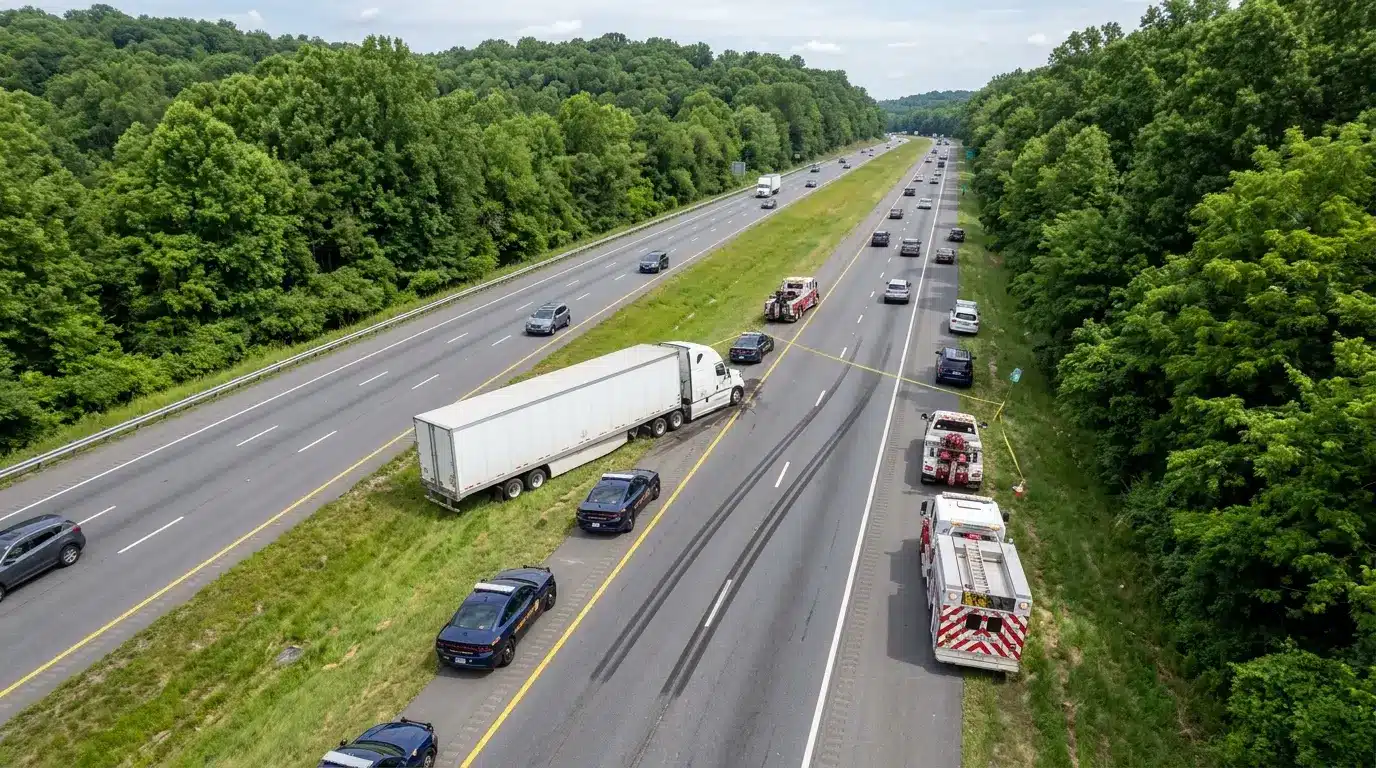
Key Highlights:
- Securing the crucial truck accident evidence Virginia courts require means pulling data from black boxes, logs, and photographs of the accident scene. This evidence establishes that trucking companies behaved negligently at the time of the crash.
- The trucking company controls the electronic data, and they are looking out for their own interests, not yours. They often reach the scene first to build a defense.
- Electronic information, such as ELD logs and black box data, can be destroyed in a matter of days.
- The Virginia truck accident lawyer sends a preservation letter, which will create an obligation to preserve the evidence.
- Under the principle of 1% fault rule in Virginia, you need unimpeachable evidence. A small mistake can ruin your chances of recovering damages.
The outcome of a truck accident litigation depends on the evidence presented in court, and most evidence that can indicate the negligence of a trucking company is in the possession of the company itself in the form of information stored in a black box.
It is important to know what evidence to collect and how quickly it should be collected because the speed of evidence collection determines the viability of the case. Special attention should be given to the collection of truck accident evidence Virginia as the state applies the law of pure contributory negligence. Simply being 1% at fault in the accident prevents one from recovering damages.
At Tatum & Atkinson Law Firm, we understand how crucial it is to act fast to collect important black box information, driving records, and vehicle maintenance records before they vanish.
Don’t allow the important evidence to get lost. Contact Tatum & Atkinson Law Firm right now at (800) 529-0804 for a free case evaluation and consultation.
Truck Accident Evidence Virginia to Capture at the Scene
If you can, it is helpful to record evidence right after the incident happens:
- Take photos of the vehicles’ positions, their damage, and the distances of the accident.
- Note down the company name, number, or license plate of a truck that caused the accident.
- Note down the name of the police officer who attended the scene.
- Write down the names and contacts of witnesses.
- Visit a doctor even if you feel fine.
The Truck-Specific Evidence That Builds the Case
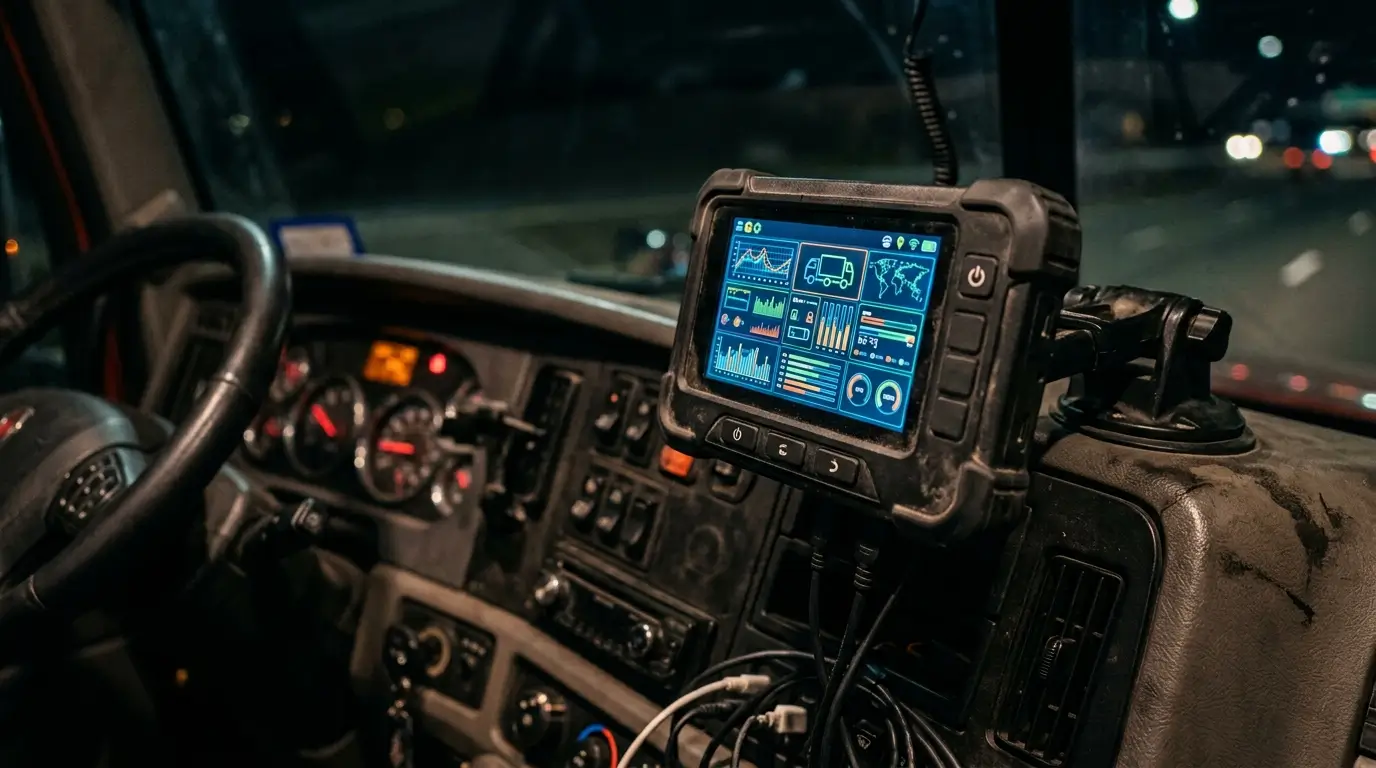
What distinguishes a truck claim from a regular car accident claim is contained in the documents below, which usually determine trucking company liability:
- ELD / HOS logs – Which would indicate any breaches of the 11-hour or 14-hour limits, and they are kept for about 6 months.
- The ECM sensor or “black box” data – The record the speed, braking, and throttle data prior to collision. This data may be deleted after the repair of the truck.
- Driver qualifications file – Which includes the negligent truck driver’s license number, medical records, training experience, and any history of violations.
- Maintenance and inspection records – They help to determine if there were any issues with the brakes or tires.
- Weight and loading documents – Helps prove how heavy the load was or if the trailer was leaning.
- Post collision drug and alcohol testing – These tests should be done soon after the accident.
- Messenger communication and video recording – Dispatch messages and dashcam footage are used to see if the driver was involved in any aggression or was pressured to speed. These videos and audio files are auto-deleted within weeks.
Why the Trucking Company Moves First
After a serious crash happens with a commercial truck, the trucking company immediately gathers a group of professionals to collect necessary information to formulate its position before it is found to be liable.
There is nothing to prevent the records of the carrier from being deleted as a normal practice. That is why, in order to avoid loss of evidence, you must prepare a preservation letter, which informs the carrier that the records must be preserved. According to the Federal Motor Carrier Safety Administration FMCSA regulations, alcohol testing has to be done within eight hours after the accident, and drug testing within thirty-two hours.
How a Truck Accident Lawyer Preserves and Uses the Evidence
A Virginia truck accident legal advisor acts without delay after the accident and sends spoliation letters in a maximum of a few hours and acts on the evidence (ELD and ECM data, drivers employment records, drug and alcohol tests, and black box data) before it becomes unavailable.
When the accident reconstructionist makes a report based on this data, it will state the facts in detail, and the jury will have concrete proof of violations that will work well for one’s case. This is the reason for calling as soon as possible, because what exists on the date of the accident will be lost in thirty days.
Protect Critical Truck Accident Evidence in Virginia with Tatum & Atkinson

Whether the incident involved you or a loved one, the trucking company is already beginning to defend itself. By just calling us, you will know in no time where you stand. The sooner you do, the better, because truck accident evidence Virginia can be lost.
At Tatum & Atkinson, we represent clients all across Virginia and have a speedy approach to cases under the direction of attorney Jon Ward, based in Cedar Bluff, where our team is quick to prepare spoliation letters and get hold of data from black boxes, electronic logging device (ELD) logs, and compliance documents.
You can call us at (800) 529-0804 to schedule a free consultation.
Frequently Asked Questions!
How long do I have, and how fast does the evidence really disappear?
In Virginia, you have two years from the date of the accident to make a personal injury claim, but the timeframes for collecting evidence are very short. For instance, ELD logs are only kept for a few months, black boxes can be deleted right away after truck repair, and video footage can be erased after weeks of recording.
Can I get the truck’s black box data myself?
No. Since the ECM is located inside the truck, which is governed by the carrier, the injured party cannot retrieve ECM data independently. A wreck victim has to send out the notice of preservation and often relies on a court order to compel the carrier to give it up before the vehicle is back on the road. The recovery of the data should also be done within days by an expert in the field.
What if the police report blames me or gets the facts wrong?
The accident report is the initial opinion of one officer only and does not necessarily provide conclusive proof of guilt of the driver. The report can be challenged with the help of substantiated proof, including ECM records on the speed and brakes used, ELD data as well as police reconstruction of the incident.
Does it cost anything to investigate a truck accident claim?
No. All cases are run on a contingency basis, meaning that there is no charge unless your case is successful, and the initial consultation will not cost you a penny. The accident investigations involved in such cases involve a lot of expenses, which have to be borne by the firm taking on the case.
The trucking company’s insurer already called me. What should I do?
Caution is advised here. It must be noted that a quick-acting adjuster is working for the insurance company, and any recorded statement will be able to assist the insurance company in securing the 1% fault necessary to defeat your claims. The person making you an offer may do so even before the total impact of your injuries is known. Never give out any recorded statement to any such person.
