What Should I Do If I Suffered A Broken Bone In A Truck Accident In Virginia?
Key Highlights:
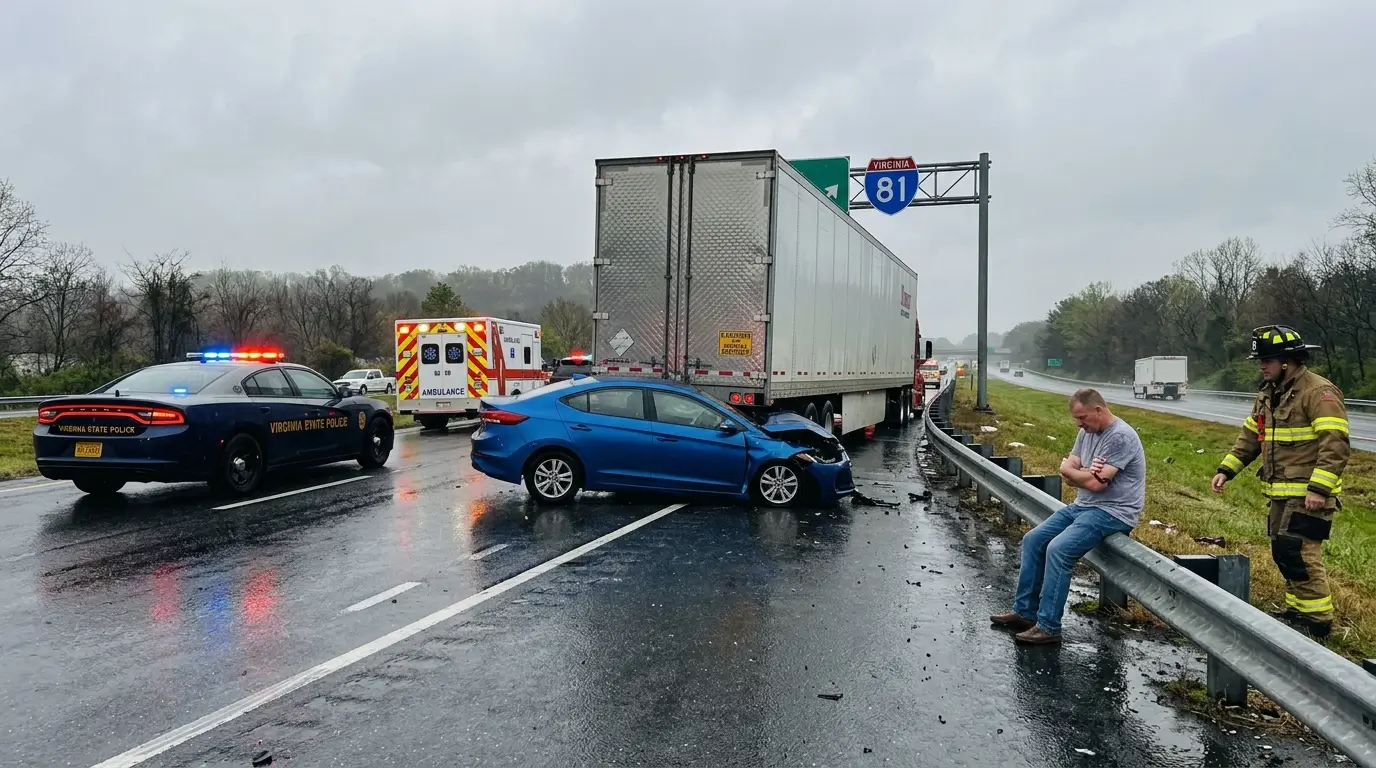
- Following a commercial truck accident, if you are thinking what should I do if I suffered a broken bone in a truck accident in Virginia, then it is imperative to call 911 and contact emergency services for treatment and documentation of the scene.
- Because of the massive amount of physical force involved in commercial truck accident injuries, fractures will typically be very complicated and may result in permanent disability, costly future surgical procedures, and much lost income.
- Additionally, in Virginia, you cannot receive Virginia truck accident injury compensation if you are found to be even 1% at fault under the strict contributory negligence law. Therefore, it is extremely important to ensure that the truck driver is 100% responsible for the crash.
- To obtain a fair fracture injury settlement due to a truck accident, ensure that key evidence is preserved, such as black box logs and drivers’ hours, as soon as possible after the crash. Typically, trucking companies will delete or overwrite this data after the accident.
An accident involving a large commercial vehicle may result in you experiencing a serious fracture. Due to the vast size and weight differences between passenger vehicles and semi trucks, the impact of these types of accidents can be catastrophic. If you are struggling with pain, medical bills, or the disruption to your life caused by a serious fracture, and you are now searching for answers regarding what should I do if I suffered a broken bone in a truck accident in Virginia?
After an accident caused by a truck, it is important to take action quickly and strategically to protect your health and legal rights. At Tatum & Atkinson Law Firm, we have a team of experienced lawyers who can assist you in understanding your legal rights and options as well as securing the compensation you are entitled to for your injuries.
To get a free case evaluation, contact our truck accident lawyers at (800) 529-0804.
What Should I Do If I Suffered A Broken Bone In A Truck Accident In Virginia
If you’ve been injured in a trucking accident, the decisions you make in the days and weeks that follow the accident will have a significant impact on how well you recover physically and how well you protect your legal rights. Below, we present your essential guide for filing a broken bone truck accident claim Virginia.
The Immediate Action Plan: 5 Steps to Take at the Scene
- Move to Safety & Report: Call 911 to request the Virginia State Police to create an accident report.
- Document the Scene: Take photographs of damage to both vehicles along with any skid marks, road conditions, and the truck’s USDOT number.
- Gather Details: Exchange contact information with the truck driver, their insurance, and their commercial driver’s license number.
- Identify Eyewitnesses: Write down names and phone numbers for witnesses to the accident.
- Seek Medical Attention Immediately: The effect of adrenaline on your body may mask serious fracture pain initially, thus making it important to be evaluated quickly.
Red Flags for Emergency Room Care
If there is an obvious change in the way your limb is shaped, a bone sticking out of your skin, or tingling and numbness, a nerve or artery may be compressed. Do not wait for a doctor’s appointment; go to the ER immediately.
The Medical Realities Facing Truck Accident Victims
It is crucial to get the right medical treatment after a truck accident to ensure a smooth recovery after a serious fracture injury and gain the maximum amount of compensation for your lawsuit.
- The Physics of the Crash: A fully loaded commercial semi can weigh as much as 80,000 lbs., while a regular passenger vehicle weighs only about 4,000 lbs. As a result, such an enormous amount of weight creates a tremendous force that can result in the deformation of the passenger cabin, crushing the occupants against the dashboard or door, creating an extremely high likelihood of severe bone fractures occurring.
- Fractures Commonly Seen in Commercial Truck Accident Injuries: Wrecks involving commercial trucks often cause comminuted fractures (where the bone is shattered into multiple pieces requiring implants) and compound fractures (when the bone pierces through the skin), as well as structural fractures (vertebrae or pelvis) from the extreme force generated by the truck.
- The Risk of Long-Term Disability: Severe fractures involving joints (hip, knee, shoulder) may result in permanent disability. Complications, such as post-traumatic arthritis, decreased range of motion, muscle atrophy, and nerve pain, can easily result in long-term changes to your ability to work and how you live.
Building an Airtight Case for Fault and Liability
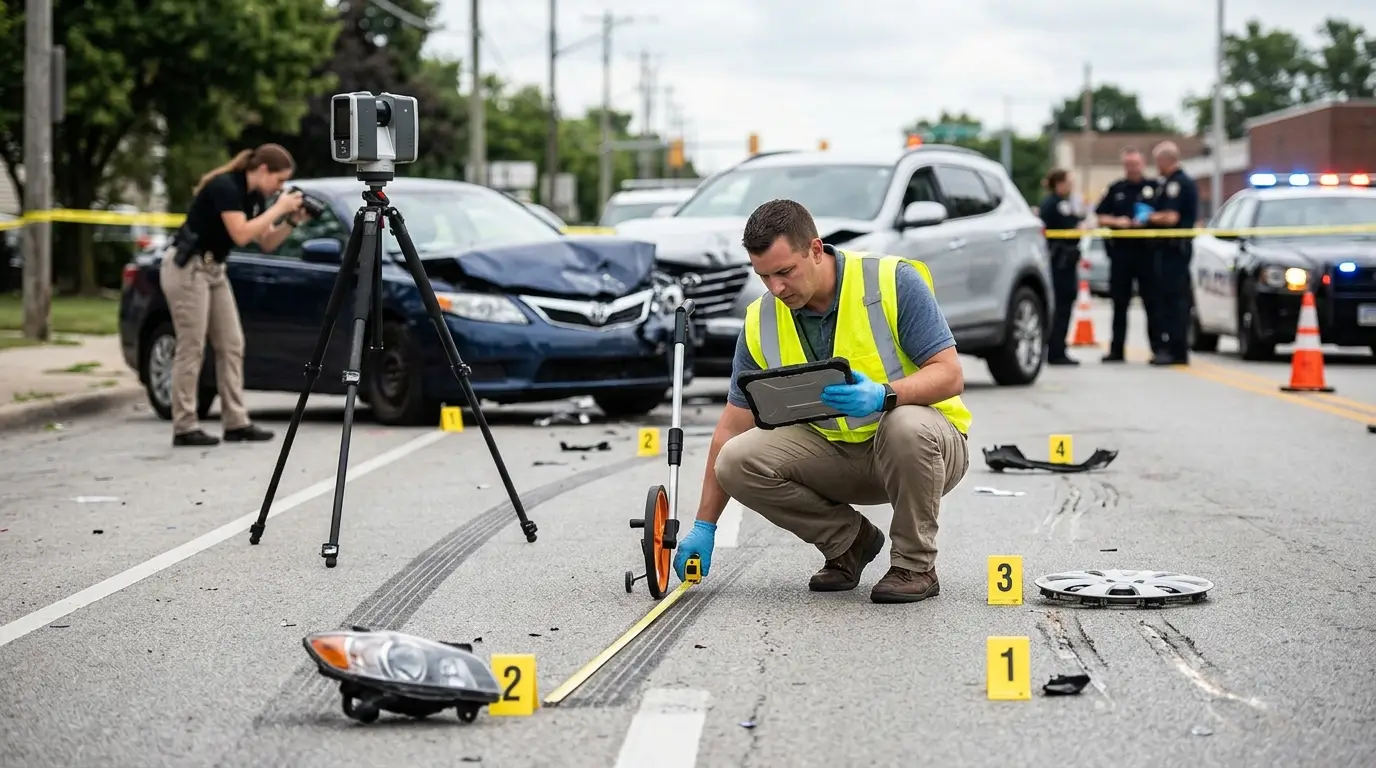
Determining liability following a commercial truck accident can be complicated because numerous different businesses and strict laws apply at both the state and federal levels.
Who Shares Fault for Your Injury?
Unlike a typical auto accident, multiple parties may share the responsibility for your injuries:
- The Truck Driver: For excessive speed, distraction due to phone use, or driving while fatigued.
- The Trucking Company: For hiring an unsafe driver or forcing a driver to drive beyond the maximum time limits established by federal law.
- Cargo Loaders: For the shifting of improperly secured cargo that causes either a rollover or jackknife accident.
- Maintenance Providers: for not properly maintaining the brakes or other key parts of the truck that led to the accident.
High-Value Evidence Needed for a Truck Accident Claim
To establish liability for a truck accident, a Virginia personal injury claim requires your attorney to obtain evidence needed for a truck accident claim that could be lost if not obtained quickly. Examples of this include:
- Black Box (ECM Data): This data logs vehicle speed, brake application, and throttle positions immediately before impact
- Hours-of-Service (HOS) Logs: To demonstrate that the trucker operated illegally while fatigued
- Trucking Company Files: These files document skipped inspections and internal maintenance violations
- Post-Crash Drug Tests: This is required by the Federal Motor Carrier Safety Administration (FMCSA) for all serious truck accident injuries.
- Clinical Documentation: The first clinical documentation from an ER or orthopedic office must also establish a correlation between the fracture and the truck accident; otherwise, defense insurance companies may try to claim the injury was pre-existing.
Navigating Virginia Injury Laws and Damages
In Virginia, there are particular and strict laws in place regarding the handling of claims for injury and what types of compensation may be recovered.
The 1% Rule: Pure Contributory Negligence
Virginia takes a strict stance. If the defense can show that you were even 1% at fault in the accident, then you will be barred from recovering any compensation. Therefore, you must use a skilled legal team to prove that the trucking company was 100% at fault for the accident.
Financial Recovery: What Damages Can You Legally Collect?
If you received a serious fractured bone, you may pursue both types of damages (economic damages and non-economic damages) for your claim; this will help to compensate you for how the wreck has affected your life as a whole.
| Injury Component | Covered Damages |
| Economic Damages | Immediate ER care, orthopedic surgeries, physical therapy, specialized medical equipment, lost wages, and future lost earning capacity. |
| Non-Economic Damages | Physical pain, mental anguish, permanent scarring/disfigurement, loss of life enjoyment, loss of consortium. |
Strategic Challenges and Avoiding Costly Mistakes
Insurance companies consistently try to lower large payouts by downplaying the seriousness of fractures by characterizing them as a minor break that healed “perfectly,” and they ignore the long-term risk of arthritis on the injured party. Additionally, the adjuster will pressure you for an early recorded statement in hopes you will admit partial liability or say, “I’m feeling fine” prior to your complete injury complication being known.
Three Crucial Mistakes That Will Hurt Your Legal Case
- Skipping Appointments: If you’re not attending scheduled physical therapy or doctor appointments, this gives the insurance company a reason to argue your injury isn’t serious.
- Posting on Social Media: Updates and photos during recovery can easily be manipulated by the opposing attorney as evidence that you’re exaggerating pain and suffering damages Virginia.
- Signing Early Settlement Offers: If you settle before you’re at maximum medical improvement (MMI), then you’ve forfeited your ability to be compensated for future unexpected surgery.
Timelines and Legal Intervention
- How Long Does It Take to Settle? It All Depends. A claim can take months to years to settle, depending on whether liability is disputed, how many parties are involved in the accident, and how long it takes to determine future medical needs for your health condition.
- When Should You Speak With a Virginia Truck Accident Lawyer? Right After the Accident. Trucking companies have accident reconstruction created from accident site evidence, and thus, if you wait too long to retain counsel, that evidence will likely be destroyed.
Secure Your Recovery with Tatum & Atkinson Law Firm

When you’re trying to figure out what should I do if I suffered a broken bone in a truck accident in Virginia, you don’t have to face the big truck companies and their insurance agents by yourself.
Tatum & Atkinson Law Firm wants to make sure you have the best representation possible after suffering an injury and have no anxiety about paying your legal fee. Our law firm works on a “no win, no fee contingency fee structure, which means that you do not owe us any money for your legal representation until we successfully recover money for you.
We will do all of the legal work, investigate the commercial companies that were involved in the accident, and create a strong Virginia truck accident injury compensation claim, leaving you to recover from your injury.
Call us today at (800) 529-0804 to arrange a free consultation with an experienced attorney who can fight for your rights.
Frequently Asked Questions!
Can a hairline fracture result in a truck accident injury claim in Virginia?
If the hairline fracture is a result of the accident, it can be a legitimate basis for a claim. Regardless of the severity, it can cause pain, lead to expensive medical imaging, impede your ability to work, and require weeks of immobilization until healed.
What if my broken bone was not diagnosed until days after the truck accident?
You can still file a claim, but expect the insurance company to push back. A person frequently does not feel pain from broken bones due to adrenaline; thus, it is very important to get immediate medical documentation linking the delayed symptoms to the accident.
Can I recover compensation if my broken bone requires future surgery?
Yes, it is possible to include projected truck accident medical expenses for future procedures (such as removal of hardware or reconstruction of joints) in a complete settlement if you have testimony from your treating orthopedic surgeon supporting your long-term prognosis.
Will a healed fracture still affect the value of my truck accident case?
Yes. Despite the bone fusing together, the surrounding tissue, nerves, and joints typically sustain irreparable damage from the fracture. Chronic pain, localized muscle weakness, and risk of premature development of arthritis were all included in the final determination of the value of the fracture.
Can weather or road conditions affect liability in a Virginia truck accident involving a broken bone injury?
Indeed, commercial drivers are subject to greater legal standards and must reduce their speed due to the risk of poor weather conditions. In many cases, the weather will not excuse a truck driver from liability.
