What Should You Know About Operating a Commercial Truck in Virginia?
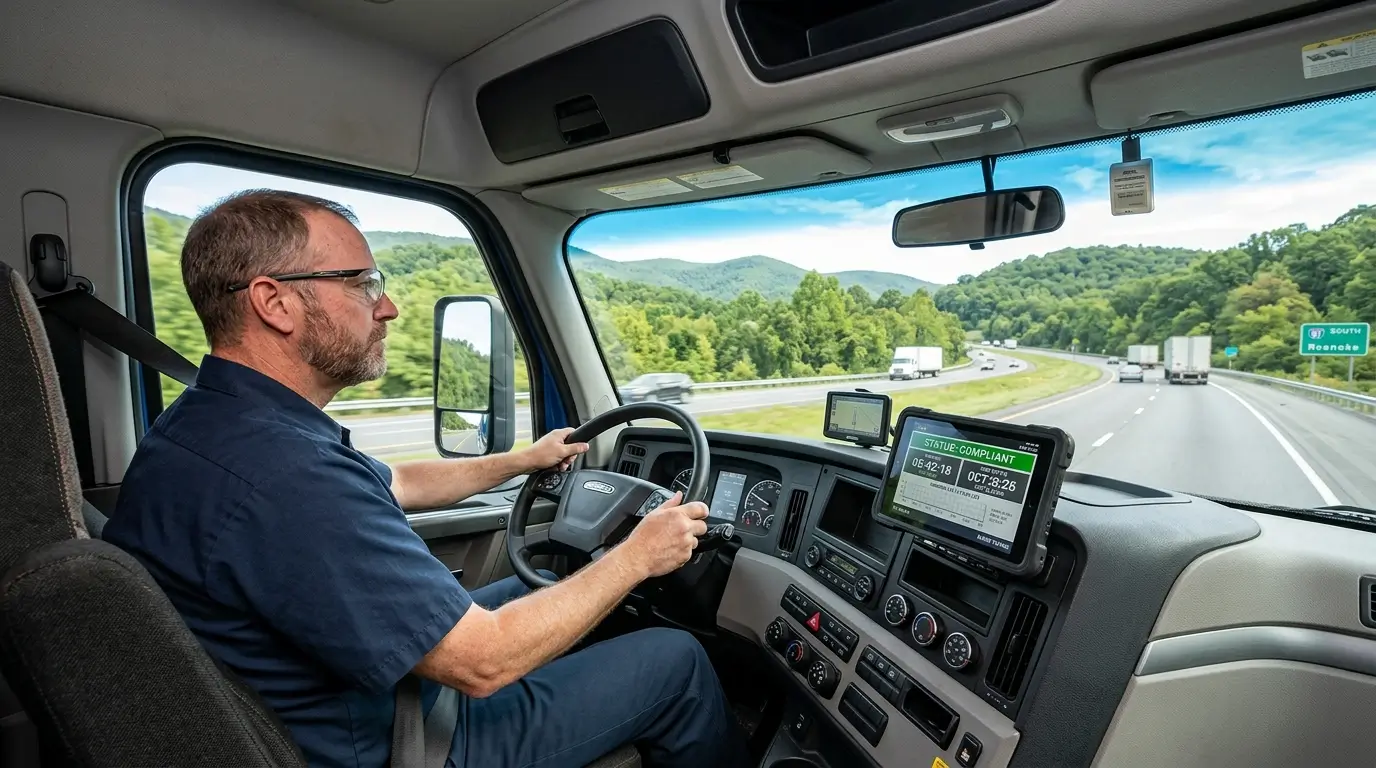
Key Highlights:
- Commercial truck Virginia operate under the federal and Virginia regulations on top of regular traffic laws.
- There are legal duties of both the driver and the trucking company liability.
- Violation of a safety regulation can be considered an indication of negligence in a commercial truck accident claim.
- The evidence of the violation is kept by the company and does not last long.
- When the driver or the company violates these regulations and an accident occurs, such a violation can become the main issue in the truck accident claim.
While operating a commercial truck in Virginia, here’s all that you need to know regarding a claim. To drive a commercial truck Virginia is responsible not only for the license and driving but also for compliance with the safety regulations of both the federal and Virginia authorities aimed at ensuring the safety of a vehicle weighing up to 80,000 pounds.
I am Robert Tatum, and I work for the law firm of Tatum & Atkinson. I am in a law firm established by a veteran in 2006, and our law firm has more than 65 years of combined experience handling Virginia truck accident claims, including those involving the the liability of the trucking company under FMCSA guidelines.
In the event that you have a truck accident claim because of hours of service violations, electronic logging device issues, and commercial driver’s license issues, then we know how to build your case.
What Defines a Commercial Truck, and Who Can Drive Such a Vehicle?
A commercial truck Virginia will include vehicles rated 26,001 pounds and above, in addition to trucks that haul either hazardous material or many passengers. A commercial driver’s license and a comprehensive driver qualification file will be required for legal operation, and these must include medical fitness, a clean driving record, and training.
The Regulations that Apply to the Movement of a Truck
In addition to the normal traffic laws, there are federal FMCSA regulations and Virginia law that provide a framework around the movement of a truck:
- Hours of Service regulations regulate time spent driving: 11 hours maximum driving, 14 hours maximum on-duty time, 30 minutes off duty for meal breaks, and 60/70 hour limit per week.
- Maintenance and inspection regulations mandate that the trucks are in good working order, that maintenance records are kept, and that inspections are made by the driver.
- Cargo securement and loading regulations ensure loads do not shift and that a weight limit of 80,000 pounds is met.
- Testing for drugs and alcohol in the entire operation, with a stricter 0.04 limit on drivers.
What a Safe Trucking Operation Owes the Road
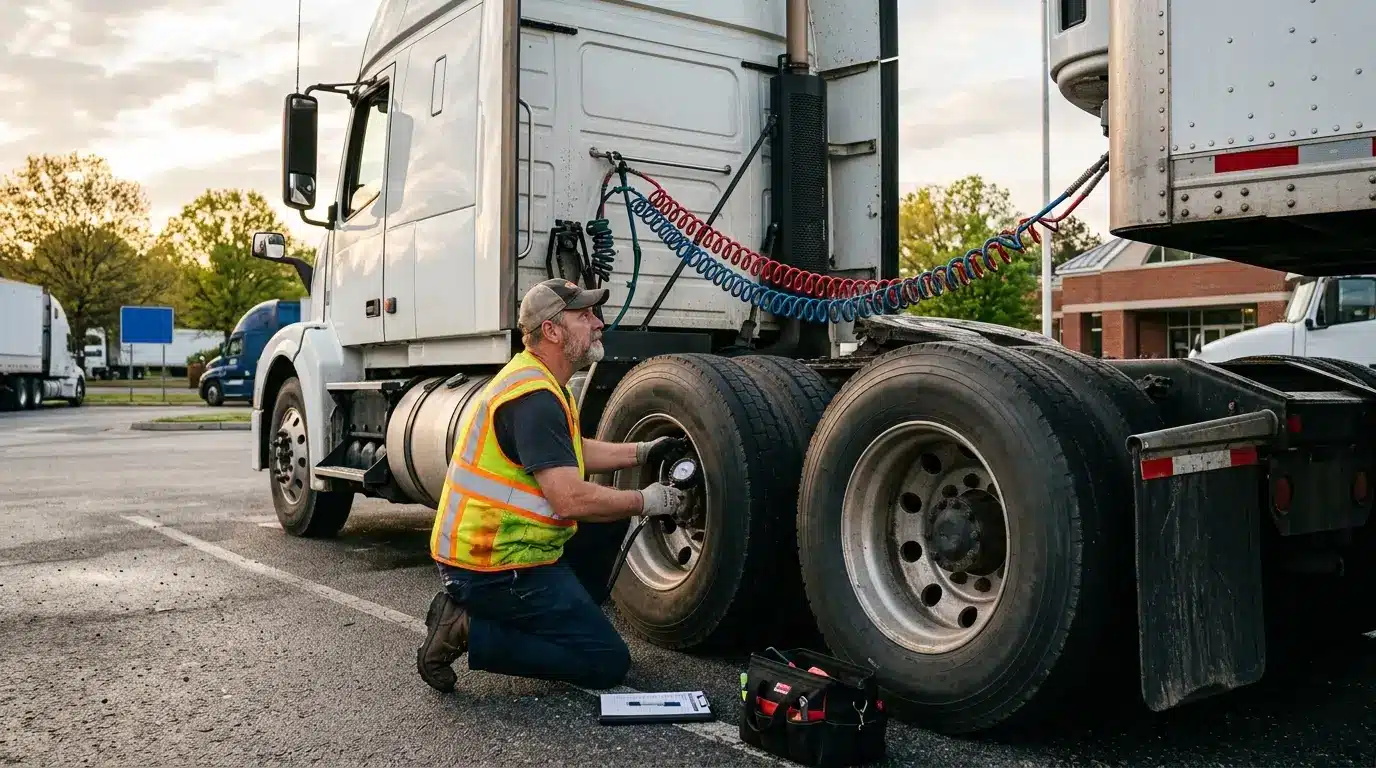
The driver must check the truck at the beginning and end of each haul, adhere to the Hours of Service regulations, secure the load, and stop the truck if circumstances make it necessary.
On top of this, there is what the trucking company must do before hauling on the road, including proper hiring, training, and drivers; supervision of the drivers, proper maintenance of the equipment, and scheduling that doesn’t require law-breaking to keep.
When a Violation Turns into Negligence
This is the place where the book counts when it comes to a negligence claim following an accident. Whenever an accident occurs as a result of a violation of FMCSA regulations, the violation itself becomes solid proof of negligence. The usual suspects:
- Distracted driving.
- Speeding.
- Fatigue and hours of service violations.
- Poorly maintained vehicle.
- Unsecured cargo.
Under the pure contributory negligence law of Virginia, proving the violations becomes necessary since a 1 percent fault means your truck accident claim cannot be won.
A claim can cover expenses, including medical charges, future medical bills, loss of earnings, earning capacity, pain and suffering, and property damage, which are uncapped in Virginia. The time limit on filing the case is normally 2 years from the date of the accident, according to Va. Code § 8.01-243.
The Proof of Violations, and Why It Fades Quickly
The evidence of the violation lies almost solely with the trucking company: logs from the electronic logging device, the driver qualification file, maintenance and inspection logs, black box information, and communications from dispatch.
While it is the FMCSA regulations that dictate the record-keeping responsibility, there is no duty to retain these records until there is an official demand, and so the Virginia truck accident lawyer acts quickly to preserve them.
Truck Accident Victim in Virginia? Call Tatum & Atkinson
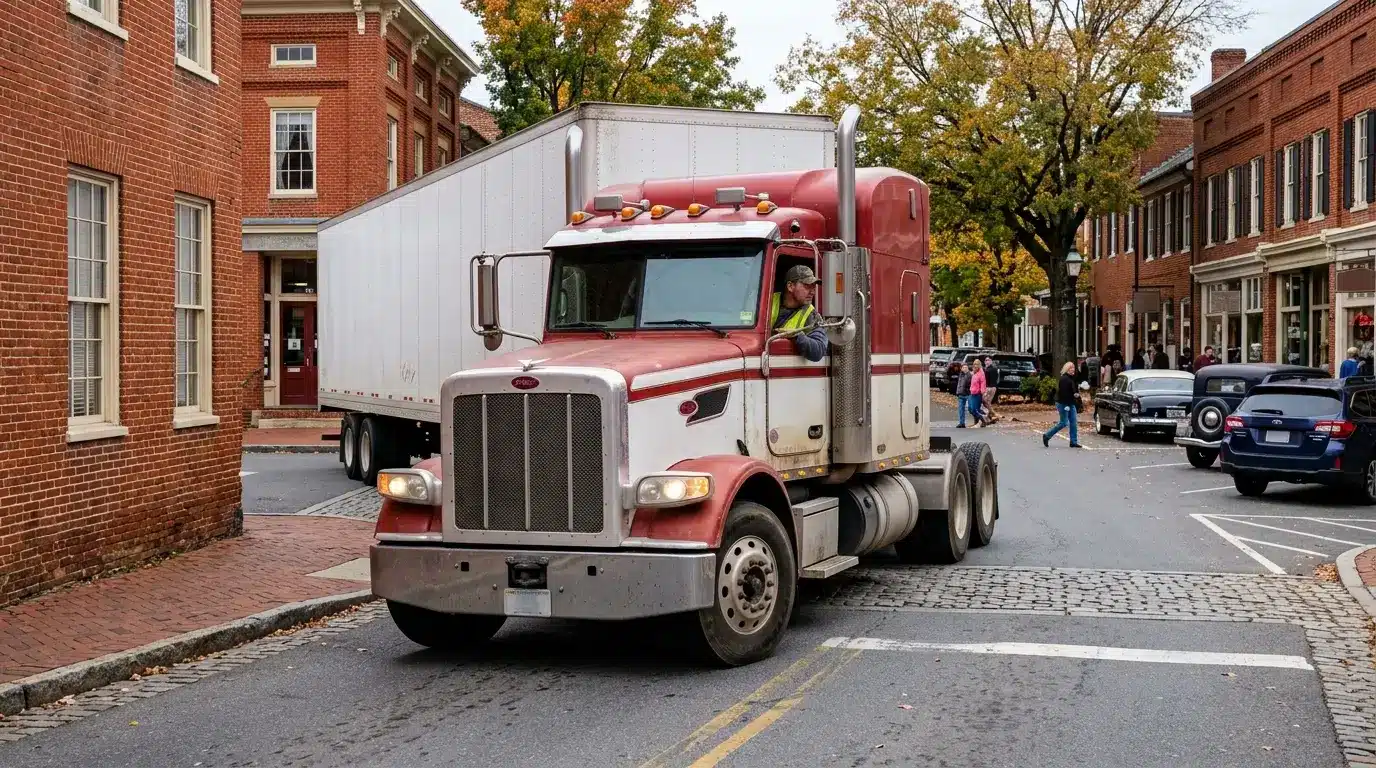
A truck accident claim is not typically just an isolated incident on the highway. Rather, there will likely be a connection to choices about safety, scheduling, and cutting corners that provide a paper trail.
Tatum & Atkinson Law Firm takes Virginia truck accident cases out of its Cedar Bluff office, representing southwest Virginia, while Jon Ward, a Virginia truck accident lawyer licensed in Virginia, represents Virginia clients.
Heavy Hitters immediately start collecting the electronic logging device logs and documentation, assessing the trucking company liability in light of the law, and refuting the insurance company’s 1 percent defense with facts.
Call (800) 529-0804 for a free case evaluation.
FAQs: What Should You Know About Operating a Commercial Truck in Virginia?
What makes a truck accident claim different from a regular car accident claim?
For the most part, the layers. With a car wreck, there are generally two parties and insurance policies involved. With a commercial truck Virginia wreck, you have another party, a whole maze of FMCSA regulations and state safety regulations, and significantly more documentation to collect.
Does breaking an FMCSA rule automatically mean the trucking company loses?
Not directly, but it certainly does. FMCSA regulation violations can help establish that a driver or a trucking company acted unreasonably, but you must prove that the violation played a role in causing the accident. In Virginia, you must prove that you were not at all responsible.
Who can be held responsible besides the driver?
The trucking company liability includes the company itself and other people involved. However, the responsibility of the company lies in decisions of its own, such as employing an unprofessional driver, inadequate training, poor maintenance, and scheduling that results in a violation of hours of service regulations.
How fast do we need to act to get the trucking records?
Fast. Electronic logging device logs, dispatch notes, and inspection documents might be held for months at most, and the carrier has no duty to hold onto them unless they have received an official demand for such. If the demand comes too late, the truck accident claim will be based either on memory or on the records of the company.
What does it cost to hire a Virginia truck accident lawyer?
No fees upfront. No fee is charged in contingent cases unless a settlement is obtained, and the first consultation is always free. This is particularly important in trucking company liability claims because record preservation, FMCSA regulations compliance audit, and expert retention are done by the Virginia truck accident lawyer and not charged separately during the recovery process.
