How Can A Motorcycle Wreck In NC Cause An Arm Amputation?
Key Highlights:
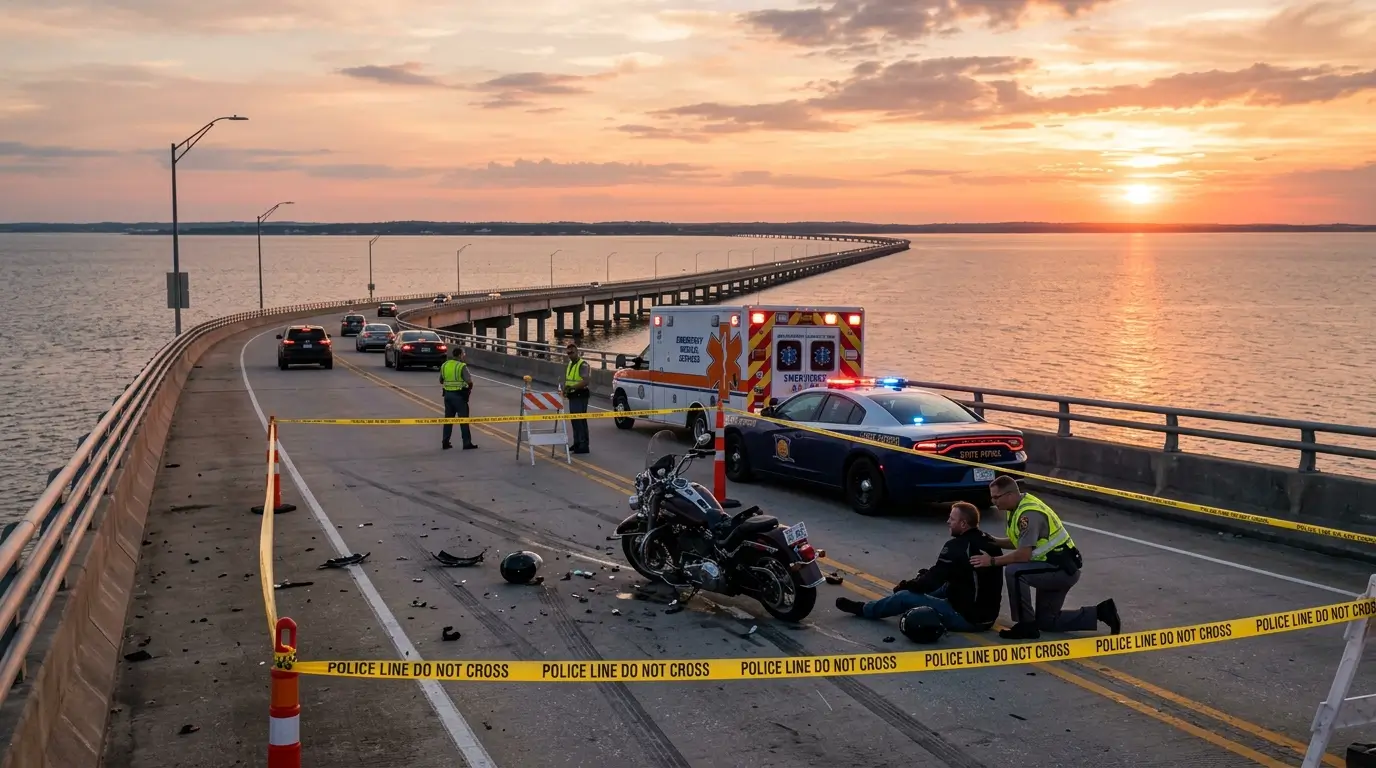
- How can a motorcycle wreck in NC cause an arm amputation? Motorcycle accidents in NC can lead to the loss of an arm due to the immense direct impact applied to the rider’s arm at the time of impact during an accident.
- An arm requires adequate blood flow, healthy tissue, and intact nerve pathways to remain viable; when a crash destroys these vital systems, amputation becomes necessary.
- The loss of an arm has a profound impact not only on one’s skill and dexterity but also on the way in which the individual performs their work and everyday life.
- While failing to wear a helmet cannot be used to prove negligence under North Carolina law, insurance adjusters may still try to weaponize a lack of protective riding gear to minimize your injuries or shift blame.
- When you have a situation that meets the 1% rule for determining another driver’s fault, then proving the other driver has fault will be the determining factor in the case.
When someone crashes their motorcycle, they sustain an enormous amount of damage because there is no added protection (e.g., a car body). For example, in a motorcycle crash, the rider’s arm absorbs all of the force from the crash, and then if the damage is too extensive to repair, surgeons have no option but to amputate the arm to try to save the life of the rider. If so, you may wonder how can a motorcycle wreck in NC cause an arm amputation? An amputation commonly occurs as a result of severe crushing or irreparable damage to the nerves.
This article will describe how someone loses their arm as a result of a motorcycle crash in North Carolina, what happens when the arm cannot be saved, what the quality of life is after an amputation, and what an injury claim must consider. The attorneys at Tatum & Atkinson Law Firm are dedicated to helping motorcycle accident victims navigate through the aftermath and to fight for their fair compensation.
Tatum & Atkinson Law Firm offers free consultations to individuals who are searching for ways to ensure their future. Reach out today at (800) 529-0804!
How Can a Motorcycle Wreck in NC Cause an Arm Amputation
Without a shell around the motorcycle, the motorcyclist receives the full force of the crash when they hit something, typically causing life-changing damage to the arm from the crash force being focused on it.
Crush and Entrapment
When a rider has an accident and goes down, the arm can become crushed against the motorcycle, against the ground, or against another vehicle’s side when going down. This crushing force has the potential to destroy many things all at once (broken bones, torn muscles, damaged arteries, etc.).
High-Speed Impact and Degloving
At highway speeds, the arm can strike a vehicle, a guardrail, or the pavement, which typically results in horrible injuries (i.e., degloving) where the entire skin and tissue of the arm are stripped off, leaving surgeons with no viable tissue left to reconstruct or salvage the arm.
Vascular Injury
Due to high forces placed upon the arm during the accident, the arteries that supply blood to the arm can become torn or otherwise disrupted. Once the supply of blood to the tissues in the arm is disrupted, it does not take long before the tissues in the arm begin to die. This is a common problem as to why a rider’s arm becomes amputated after a riding-related accident.
Why the Arm Sometimes Cannot Be Saved

Surgeons put a lot of energy into saving an upper limb; in fact, they generally perform limb salvage on upper limbs much more frequently than on lower limbs. This can be seen by looking at the amputation data in a peer-reviewed trauma study of upper limb trauma that found that typically, all of the following conditions have to exist for surgeons to consider amputation:
Lost Blood Supply
If blood flow to a limb is interrupted and not restored within a few hours, the tissue in the limb begins to die, and it is not possible to save the limb.
Destroyed Tissue and Bone
There should be enough bone, soft tissue (muscle, skin, etc.), and blood supply to allow a limb to be saved. If there is insufficient blood supply, bone, or muscle, it is functionally impossible to reconstruct the limb.
Nerve Destruction
If the nerves in an arm are torn away from the spine, the function of the arm will be paralyzed, and it will not have any feeling at all, even though it is attached to the body. An arm in that condition is generally not considered salvageable.
Infection
Road debris can cause a deep infection in an open wound that causes a potentially fatal systemic infection. If there is a deep infection and it threatens to spread and endanger the survivor’s life, surgeons must amputate the arm to save the patient’s life.
Life After Losing an Arm
The loss of an arm requires an individual to mentally and physically relearn numerous aspects of how to work, live, and feel about themselves.
The Physical Reality
Every individual with an amputation will have to live with the results of losing their limb for the rest of their life. In addition to losing the physical ability to use their limb, most individuals experience some residual and phantom pain that will culminate in the experience of pain for many years after their amputation.
Prosthetics and Rehabilitation
Prosthetic arms come in various types, from body-powered hooks to myoelectric prostheses; however, they tend to be challenging for most users to learn how to use compared to leg prostheses. Not everyone succeeds at adapting to the use of upper extremity prostheses. The retraining of activities for daily living is part of occupational therapy. All prosthetic devices will eventually wear out and need replacement throughout the life of the individual.
The Mental-Health Toll
Experiencing sudden loss of one or more limbs typically includes experiencing trauma and the possibility of developing PTSD, depression, and losing one’s sense of identity. Counseling is an important piece in the recovery process and an essential piece in the claim process.
Work and Independence
An arm is used for many activities (e.g., grips, lifts, keys, etc.), and losing one’s arm, particularly the dominant arm, limits an individual’s ability to perform the normal range of tasks associated with work and self-sufficiency.
What a North Carolina Motorcycle Amputation Claim Is Worth
The correct assessment of a catastrophic injury claim necessitates an estimate of future medical and earnings losses over the amputation’s expected duration.
What You Can Recover
You will be able to claim the expenses for future medical and prosthetic care, lost wages, diminished ability to earn income in the future, pain and suffering, and permanent disability. With an amputation, the future-care and lost-earning pieces are usually the largest.
The Experts Who Prove It
In order to turn decades of loss into a credible dollar amount, it will require a significant team effort; the treating surgeon is responsible for documenting the permanence of the motorcycle crash injuries; a life care planner is charged with estimating decades of necessary care; a vocational expert will assess and measure the loss of earning capacity; and an economist will convert all of these numbers into their present-day value. These experts will provide the foundation on which the Heavy Hitters create their traumatic arm injury case.
The 1% Rule and the Deadline
North Carolina’s strict pure contributory negligence doctrine prevents your recovery if you were deemed to be even 1% at fault, and adjusters will use this against you by using the stereotype that all motorcyclists are reckless. The entire case will be dependent upon who was at fault for the accident. Under N.C.G.S. § 1-52, most cases have a timeframe of three years to file.
Lost an Arm in a North Carolina Motorcycle Crash? Contact our Experienced Lawyers Today
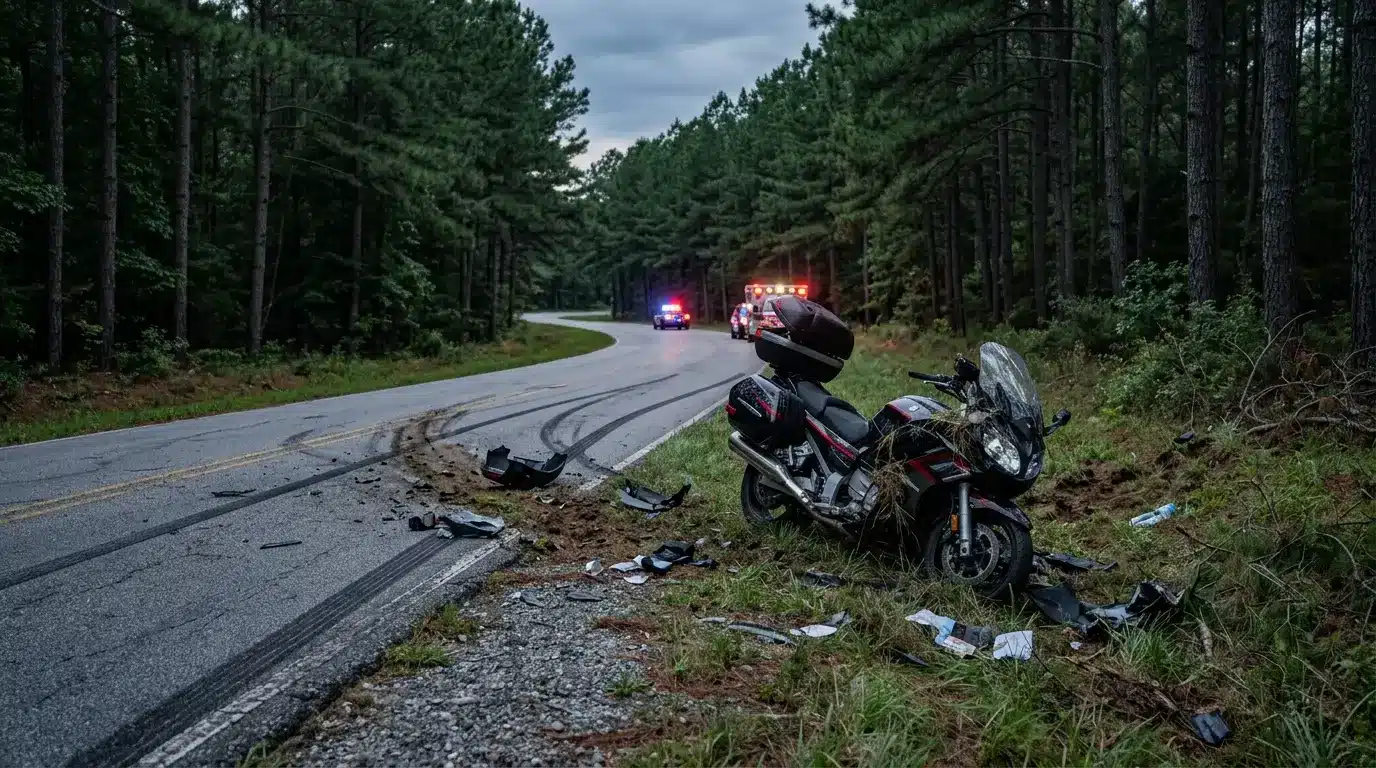
Having an amputated arm forever changes your daily life; it also creates a long-term cost to you, which you should not have to deal with on your own while trying to recover.
The Heavy Hitters at Tatum & Atkinson Law Firm have represented injured motorcyclists across North Carolina from catastrophic motorcycle accident amputation NC, since 2006. We explain to you how can a motorcycle wreck in NC cause an arm amputation, and help you overcome the rider bias and shared fault rules that prevent you from receiving the full amount of life-care and monetary compensation available.
To schedule a free consultation, please call (800) 529-0804. We charge our fees based on a contingency basis, meaning you will not owe us anything unless we win your case.
Frequently Asked Questions
Will surgeons try to save my arm before amputating?
Almost all the time, limb salvage is the primary concern; amputation only comes into the picture once the limb cannot be saved. Reattaching an amputated arm may happen if there are clean cuts, low contamination, and fast surgical methods, which a crush injury would typically not allow for.
Does not wearing gear hurt my claim in North Carolina?
In the state of North Carolina, N.C.G.S §20-140.4 indicates that helmet usage is not a factor in determining negligence, and just because gear protects your head and skin from injury, it does not mean that the crash force will not take off an arm. The insurance adjuster may attempt to blame you via negligence; however, a North Carolina motorcycle accident lawyer can shoot that down.
Can I recover if the insurer claims I was partly at fault?
In North Carolina, even 1% negligence will bar you from recovering anything. Therefore, all automobile insurance companies will attempt to find some blame on your part. The first and most important step is to prove that the other party was responsible for causing the auto accident.
What does hiring a lawyer cost?
No initial payment is required for handling this type of case. It is handled on a contingency basis; therefore, you do not owe any fees unless there is a recovery. Consultation is always free.
