What Is a Jake Brake?
Key Highlights
- What is a Jake Brake? It refers to an engine brake that uses compressed air for retarding the engine’s speed to slow down a truck without using service brakes on steep hills.
- The release of compressed air creates the distinctive “machine gun” type sound associated with Jake Brakes. Many towns in North Carolina have outlawed them in residential areas due to noise from these devices.
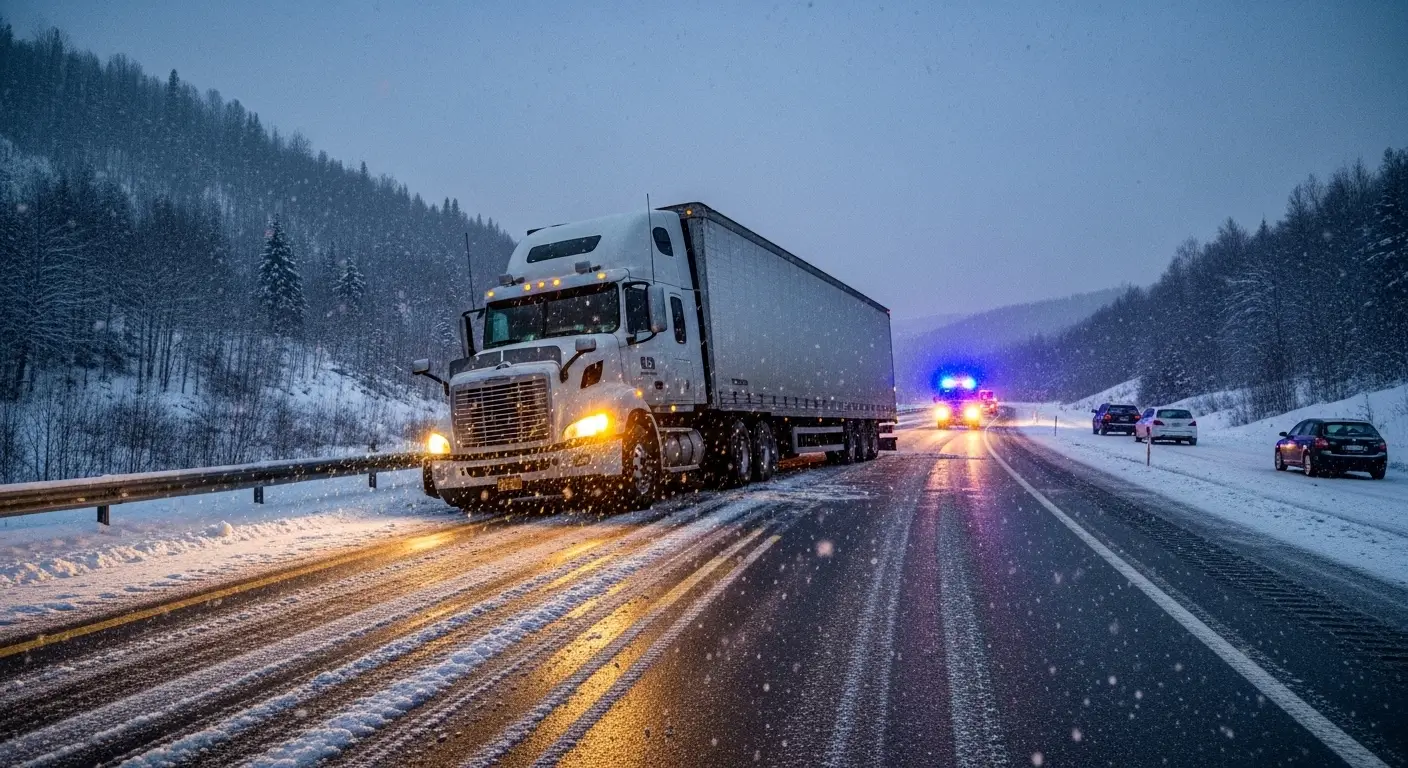
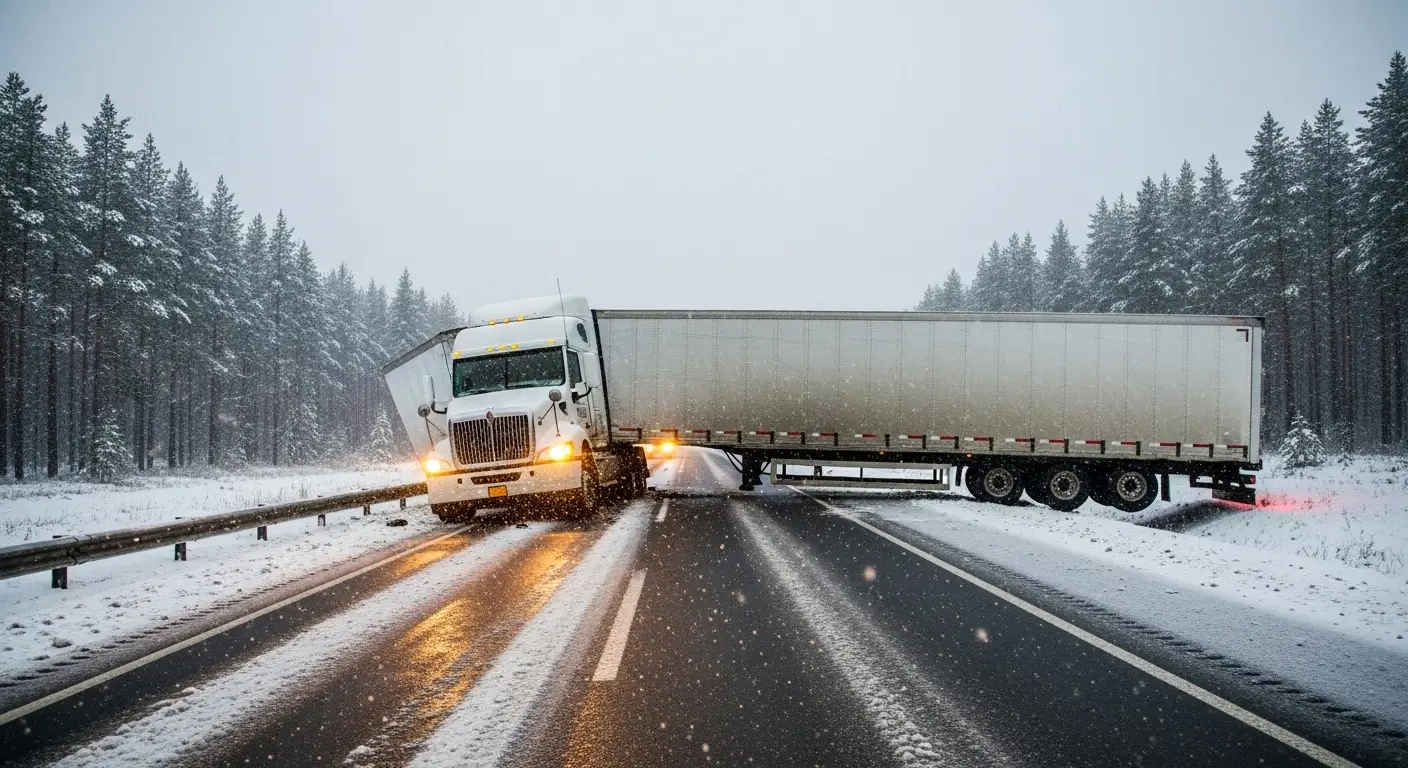
- Although these brakes can help slow a vehicle when going downhill, they can create a risk of jackknifing if the roads are slick or covered with ice because they have the potential to lock up the wheels of the vehicle.
- Tatum & Atkinson Law Firm utilizes “black box” evidence to establish negligence in cases involving a collision due to the improper use of the brakes by the driver.
The sound of a Jake Brake echoing from the rolling Piedmont to the treacherous I-40 Gorge is likely familiar to anyone who drives across the state. So, what is a Jake Brake? Its purpose is to provide a safe stopping ability for an out-of-control semi-truck. Unfortunately, misuse of the Jake Brake can lead to devastating injuries.
We at Tatum & Atkinson Law Firm aim to inform you about Jake Brake meaning and any possible legal exposure for a driver who causes injury because he had relied on the use of these brakes to slow his vehicle.
If you have suffered from an injury due to the collision of your vehicle and a semi-truck, we invite you to contact Tatum & Atkinson Law Firm at (800) 529-0804 for a free consultation regarding your injury case.
What Is a Jake Brake and How Does a Jake Brake Work?
To understand what is a Jake Brake and why do they call it a Jake Brake, you’re going to have to dig deeper than just the loud noise. A Jake brake works by converting the engine from a power-producing system to a device that absorbs power. Thus, it allows for control of vehicle speed.
The Science of Compression
A typical diesel engine generates energy from compressing air and then injecting fuel. Jake braking utilizes this process in reverse by using the pressure created within the engine to slow down the vehicle while not depending solely upon conventional ( or friction ) braking systems.
- Energy Absorption: The engine will work as an air compressor absorbing the vehicle’s kinetic energy.
- Power Loss: By releasing the compressed air, the engine can’t complete its power stroke, thereby creating a power loss.
- Retarding Force: This has the effect of creating a powerful opposing force on the drive wheels, which aids the vehicle in slowing down.
The Mechanical Process
How do Jake Brakes work on a step-by-step basis? A Jake Brake operates in a series of quick and precise steps when the driver pushes the switch located on the dashboard; all of this happens in milliseconds.
- Solenoid Activation: The driver activates the oil pump by pressing a button, thus allowing oil to enter the Jake brake housing.
- Valve Manipulation: The system opens the engine’s exhaust valves in the top half of the compression stroke while brake application occurs to allow exhaust gases out of the engine.
- Energy Release: Rather than pushing the piston down, the compressed air escapes and hence destroys the energy.
Jake Brake vs. Exhaust Brake
Many people are confused about Jake Brake vs exhaust brake; however, the two operate differently. Both engine retarders function similarly, but they do it through a different methodology.
- Jake Brake: A Jake Brake works by manipulating the engine’s internal valve train of the truck to release the pressure. This process creates a loud machine-gun-like noise that can be quite loud.
- Exhaust Brake: An exhaust brake uses a valve located within the exhaust pipe to create back pressure on the engine. Because of how they work, an exhaust brake generates very little noise compared to a jake brake.
- Stopping Power: A truck Jake Brake provides a lot more stopping force than an exhaust brake.
Why Truckers Use Them: Safety Benefits on NC Terrain
The purpose of a Jake Brake is related to safety on the roads, particularly in the mountains, where friction brakes easily fail due to heavy loads being carried by large trucks.
Preventing “Brake Fade”
On an extended descent in North Carolina, service brakes may begin to get hot and lose their ability to stop, which is referred to as brake fade. By using Jake Braking, you can assist in the cooling of your service brakes so that they will perform effectively during emergencies.
Reduced Maintenance
When used regularly, Jake Brakes will reduce the wear on drivers’ service brakes. When you use engine braking, there is less brake pad and drum wear, so you’ll be able to replace them less frequently than if you only used service brakes, and your overall cost for ownership will be lower.
Control vs. Stopping
Using a Jake Brake helps slow down your vehicle, but it does not bring your truck entirely to a stop; you will still need to apply the foot brake to bring your semi truck to a complete stop.
“North Carolina defines the ‘Jake brake’ as a safety feature for motor vehicles. This means that if a negligent driver uses a compression brake and causes an accident due to road conditions or local noise ordinances, they may face civil liability. So, it’s always best to have an experienced legal help by your side.” — Robert Tatum, Senior Attorney at Tatum & Atkinson Law Firm
The Dangers of Misuse: When a Safety Feature Becomes a Liability
Although Jake Brakes are manufactured with safety in mind, when used incorrectly, there are serious consequences on the roads of North Carolina. The following points show that a tool meant for safety can potentially cause serious problems:
- Slippery Conditions: If a brake is applied when the roads are wet or slippery, the instant stopping power of the Jake Brake can cause the rear wheels of the tractor to lose grip. This can lead to a jackknifing accident.
- Light Loads/Empty Trailers: When there is not enough weight over the axle(s) of a trailer (i.e., the tractor is empty), it will slide when the J Brake is used. There will be very little grip on the tires when the brake is applied; therefore, the trailer can swing away from the tractor.
- Driver Negligence: We check whether the driver “abused” the jake brake under improper conditions at the time of the accident. Our truck accident lawyers at Tatum & Atkinson Law Firm analyze the black box data to check if they were used in inclement weather.
Noise Regulations and Local North Carolina Ordinances
Communities in North Carolina have been dealing with issues caused by the “machine gun” Jake Brake sound made by these trucks. There are numerous municipalities that have enacted laws to limit engine braking through noise ordinances and the use of signage.
The “Machine Gun” Sound
The loud noise occurs when the highly compressed air is released from within the engine suddenly. When air enters the exhaust system without a proper muffler, it produces a very loud and disturbing noise similar to that of a jackhammer. This sound is usually more than the allowable noise levels set by the federal law.
Local Bans
In 2026, many residential areas within Raleigh, Durham, and Asheville have very strict “No Engine Braking” rules. The purpose of these ordinances or regulations is to protect the peace and quiet of residents late at night and early in the morning.
The Legality of Signs
A “No Jake Brake Sign” is a noise regulation, but there may be legal repercussions if such an ordinance is violated by a truck driver. It can for sure be used in a court of law to demonstrate that a truck driver violated local traffic safety laws.
Can the Use of a Jake Brake Impact a Truck Accident Lawsuit?
Following a crash, the use or presence of a jake brake could be the key piece of evidence in a lawsuit. Tatum & Atkinson Law Firm investigates how these brakes were used to determine if they can prove a vehicle driver is liable for your injuries from the accident.
- Investigating the Crash via Data: The investigation of the accident must include a thorough review of the “black box” engine control module (ECM) data to show when the jake brake was engaged and if that action led to the loss of control.
- The Role of Expert Witnesses: We use mechanical engineers as expert witnesses to present complex physics to a jury using models to demonstrate how the engine’s retarding force impacted the vehicle’s stability and how that action was the cause of the accident.
- Weather and Road Condition Analysis: Our group analyzed how winter weather affected the Jake Brake in North Carolina. By establishing liability, we demonstrated that the driver didn’t follow safety guidelines related to the use of compression brakes when operating in rain-slick, icy, or otherwise hazardous road conditions.
- Determining Driver and Company Liability: The driver might be found at fault for not properly controlling their vehicle, being responsible for negligent actions, or the carrier failing to train the driver. We will look at whether this carrier gave permission to a driver to drive a high-horsepower vehicle on hazardous surfaces without having the required skill level or qualifications.
- Maintenance and Mechanical Integrity: We will examine the vehicles’ maintenance records to ensure that the brake system is operating properly and safely. A carrier may be found liable for any safety violations resulting from operating a tractor with an inoperable engine brake or having an illegal modified exhaust.
Contact Tatum & Atkinson Law Firm When Jake Brake Safety Features Fail
What is a Jake Brake? Basically, it’s a remarkable aspect of engineering designed to help promote safety when driving downhill. They are only safe if properly used and handled by experienced drivers. If an untrained or negligent driver uses Jake Brakes incorrectly (or under the wrong weather conditions), it can result in a serious accident on North Carolina’s highways.
The somewhat complicated nature of brakes means that it is critical to have a qualified legal team by your side when seeking damages for an accident caused by improperly used Jake Brakes. The attorneys at Tatum & Atkinson Law Firm stay up-to-date with trucking safety standards and regulations in 2026, as well as advancements in truck technology, to make sure that victims of such accidents receive the compensation and justice they deserve.
For those who’ve experienced damage due to a trucking accident caused by using Jake Brakes you should reach out to us at Tatum & Atkinson Law Firm for a complimentary consultation. We’ll protect your right to compensation!
Frequently Asked Questions About What Is A Jake Brake
What is a jake brake on a semi truck?
A Jake Brake on a semi truck also known as a brake retarder, uses compression from the diesel engine to help slow the truck down while minimizing use of the normal service brakes.
What are compression brakes?
Compression brakes used to help a semi-truck slow down by releasing air trapped in the cylinder at the top of the stroke. Similar to a bicycle pump, releasing the compressed air from your cylinder allows the truck to slow down and prevents it from moving forward.
Why is it called a Jake Brake?
The term “Jake Brake” is the shortened version of Jacobs Brake, named after Jacobs Engine Company, Inc. They were the first to produce this technology, and later it became a widely accepted industry standard term for engine braking.
Why are Jake brakes so loud?
Jake brake produces a loud “machine gun noise” when it decelerates as a result of releasing compressed air from compressor into the atmosphere at high velocity. Many recent models are made with “silent technology, yet older trucks still produce the loud popping sound.
What does no Jake Brake mean?
A “No Jake Brake” is a local noise ordinance that prohibits (except for emergency stops) truckers from using compression brakes in this area of town to help eliminate excessive noise caused by all trucks.
Are Jake Brakes illegal?
They are allowed for safety purposes, but are generally restricted in some locations due to excessive noise levels. If a trucker is given a citation for violating a noise ordinance, this citation can have an impact on their CDL and record in North Carolina.
