What Happens After You Lose A Limb In A Trucking Accident In North Carolina?
Key Highlights:
- What happens after you lose a limb in a trucking accident in North Carolina? In North Carolina, losing a limb in a trucking accident usually begins with emergency services operating, if necessary, to control pain, prevent infection, and provide life-saving measures.
- The amputation after truck accident NC can often necessitate long-term rehabilitation, planning for a prosthetic limb, changes to the home, modifications to the vehicle, and support for emotional trauma.
- There are many types of injuries associated with the traumatic limb loss North Carolina crash; some examples include crushed tissue, nerve damage, phantom limb pain, multiple surgeries, and restrictions on permanent employment opportunities.
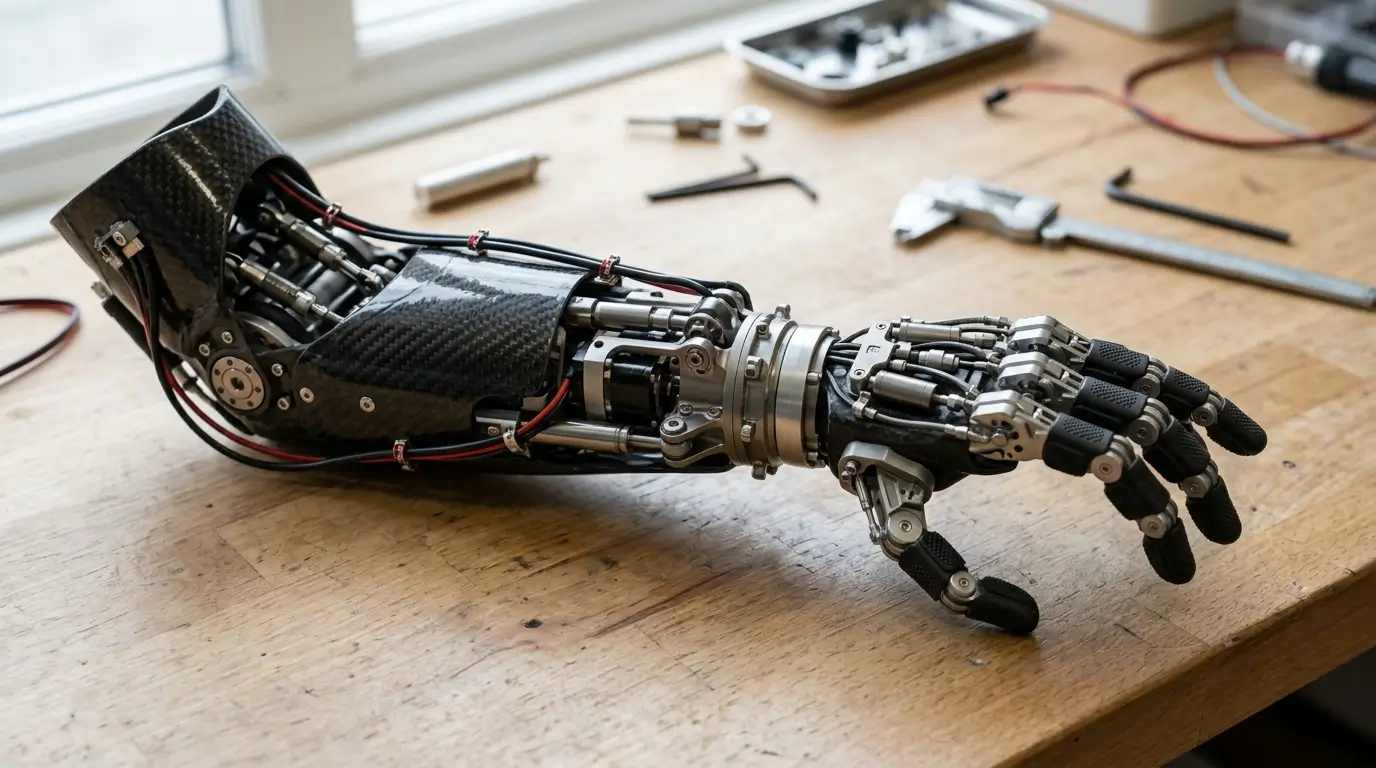
- The use of a prosthetic recovery after accident NC may restore some degree of function, but a prosthetic limb does not completely replace a lost limb, nor will it eliminate the challenges of everyday living.
- For claims involving a catastrophic injury trucking accident North Carolina, it is important to take into account future medical expenses, loss of earning capacity, disability, housing modifications, replacement of prosthetic limbs, and the lifelong effects of injuries.
If you have lost a limb in an accident involving a truck in the state of North Carolina and you are wondering what happens after you lose a limb in a trucking accident in North Carolina, here is the answer: your life will change forever, and there are huge amounts of time and effort that will go into recovering from this type of injury medically, physically, emotionally, financially, and legally.
The first step is emergency care. Then there is surgical intervention. After which, there is wound care, pain management, rehabilitation, planning for prosthetic devices, mental health support, and a lengthy recovery period before returning to regular activities. In a matter of seconds, a truck can crush a car. However, if that truck crushes your limb, that injury will affect you for many years, possibly the rest of your life.
My name is Robert Tatum, and I am an attorney at Tatum & Atkinson Law Firm. Since 2005, Tatum & Atkinson Law Firm has provided over 65 years of combined experience as a veteran-owned law firm to assist injured individuals recovering from serious injuries sustained from a catastrophic trucking accident in North Carolina. Our team will help you seek justice.
How Can A Trucking Accident Cause Limb Loss?
Compared to an ordinary passenger car, a commercial truck is enormous. Due to their sheer size, any time a large truck (such as a tractor-trailer, dump truck, delivery truck, or other large vehicle) collides with an average-sized passenger vehicle, the resulting force can lead to crushed metal, pinned body parts, and damaged blood vessels, nerves, skin tissues, bones, and muscle tissues.
Most crushing injury truck accident NC doctors may initially be focused on just one area during the treatment of someone who has suffered from a crushing injury related to the accident… Saving their life! If the limb cannot be saved or repaired, if the blood supply has been cut off, or if the risk of infection is too great, the doctor may need to amputate the person’s injured limb.
This is a very sobering reality! There’s no way to “sugarcoat” what has happened.
Why are these injuries so serious?
All trucking accident cases involving lose a limb trucking accident North Carolina; they will typically also involve other types of injuries such as fractures, burns, spinal cord injuries, traumatic brain injury, internal bleeding, and/or lacerations.
Individuals who lose limbs often report feeling phantom limb sensations and/or pain following amputation. The Institute provides additional information regarding phantom limb pain by providing an overview of why pain may continue in a limb that was amputated.
What Happens In The Emergency Room?
In a truck collision of high magnitude, the medical responders will conduct the following:
- an initial exam of the airway (breathing)
- circulation (blood flow)
- bleeding (stop)
- show signs of general shock (i.e., weak pulse, clammy skin)
- have an increased risk of getting an infection due to physical trauma
- diagnostic imaging may be needed (CT scan of your abdomen; X-ray)
- blood transfusion
- surgery
- use of antibiotic medications
- pain medications and
- transfer to a trauma center may also be required.
Severe truck accident injuries NC amputation, will involve multiple specialists: trauma surgeons, orthopedic surgeons, vascular surgeons, plastic surgeons, rehabilitation physicians, nurses, and prosthetic specialists.
The first 24 hours of treatment for an amputation incurred in a truck accident are about keeping someone alive, not completing an application for public assistance.
What Does Surgery And Early Recovery Look Like?
The surgical procedure can include the removal of damaged tissue. The limb is then shaped to be used with a prosthesis if and when possible, the wound is closed, and prevention of infection is ensured.
Some may require multiple surgeries. For instance, if there is swelling, the wound requires cleaning and possible grafts. The surgeon may also reshape the limb to accommodate the prosthetic after it heals and fits properly.
The process of recovery (amputation after truck accident NC) is not a straight line. Rather, it is like a very long staircase (to where?). You will take one step forward, take another, have a setback, then take another step forward.
How Does Limb Loss Affect Daily Life?
The physical ramifications of losing a limb are enormous. Almost everything we do on a day-to-day basis may undergo drastic changes, including but not limited to walking, driving, bathing, putting on clothes, preparing food, working, sleeping, and caring for children.
The emotional repercussions of life after limb loss accident North Carolina; many individuals feel tremendous grief over the loss of their body as it once was. Many different feelings accompany limb loss, including anger, fear, sadness, and embarrassment. These feelings do not signify weakness; they are completely normal.
The Amputee Coalition is an organization that provides educational materials and emotional support to individuals with limb loss or limb deficiency. They have multiple resources available to help you and your family cope with the process of recovery, as well as provide information about additional supports.
A practical example
If a person suffers a leg loss due to a truck accident, they will require assistance through a wheelchair ramp, bathroom changes, a prosthetic limb, physical therapy, modified vehicle operation, pain management, and a long-term disability disruption (many months). They have far more than just a medical bill; they have a complete life reconstruction.
What Role Does Rehabilitation Play?
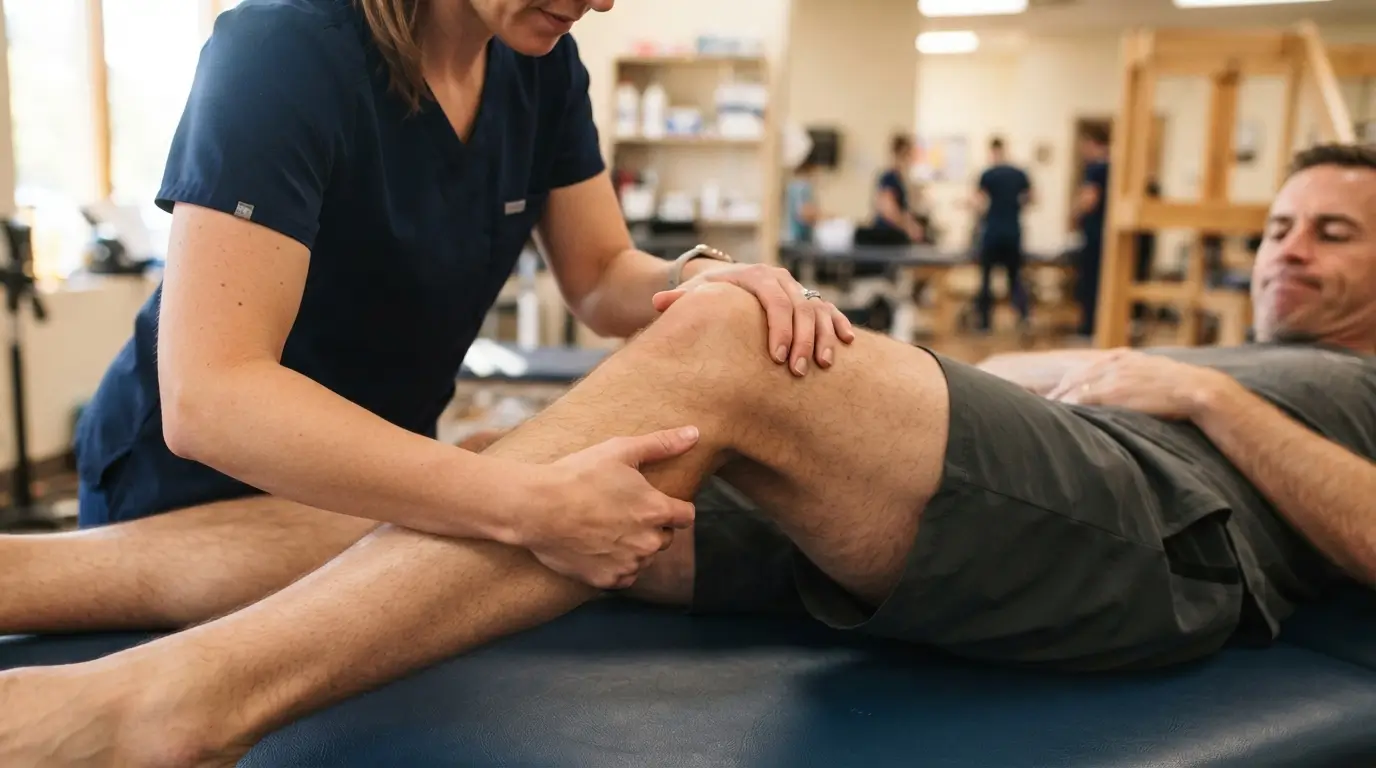
Rehabilitation is focused on helping you gain back your mobility through movement, strength, balance, transfer techniques (getting from one level to another), walking, using your hands, endurance, and performing daily tasks. Some activities in the rehabilitation process that will help you recover may include physical therapy, occupational therapy, prosthetic training, wound care, pain management, and support for your mental health.
The rehabilitation after amputation NC accident may begin in a hospital, then be completed in an inpatient facility, or through outpatient therapy or home health services. Recovery after limb loss in NC may involve trauma hospitals, inpatient/neurorehabilitation, outpatient physical therapy, as well as a continuous care environment (i.e., to provide support and assistance with continuing care) and long-term follow-up.
Recovery Need |
Why It Matters |
| Wound care | Helps prevent infection and supports healing |
| Physical therapy | Builds strength, balance, and mobility |
| Occupational therapy | Helps with bathing, dressing, cooking, and work tasks |
| Prosthetic training | Teaches safe use of an artificial limb |
| Pain management | Addresses surgical pain, nerve pain, and phantom pain |
| Mental health support | Helps with grief, trauma, anxiety, and adjustment |
Can Prosthetics Restore Normal Function?
Prosthetics can help you, but they are not a perfect solution. They can help you walk, stand, reach for things behind you, and get back to doing things you did before getting hurt. You still need to train, be fitted for, adjust, maintain, and eventually replace a prosthetic device.
After your accident in North Carolina, you may go through several fittings before you have the right fit for your residual limb. Your body changes as you recover from your accident. The swelling after surgery will go down, and the shape of your residual limb will change over time. Therefore, the first prosthetic device you get may not be the last one you need.
People who can use a prosthetic recovery after accident NC often experience difficulty using the device due to discomfort or pain, skin issues, balance problems, or other injuries.
How Can Limb Loss Affect Work And Income?
A permanent disability truck accident NC will affect your employment situation in multiple ways. Some of those ways are that you could be absent from work for months, be unable to return to your previous job, and need either light-duty work, retraining, specialized equipment, or a completely new career.
Examples of how permanent disability following a truck accident could affect your work life are a warehouse employee having difficulty standing for long periods, a truck driver losing his or her medical certification, a nurse finding it difficult to lift patients, and a mechanic losing the use of his or her hands.
These facts are extremely important in your disability claim because lost income isn’t just paychecks missed during the absence from work. Your claim may also include estimating your diminished ability to earn an income in the future and to provide for yourself and your family due to your permanent disability from an injury sustained as a result of a truck accident.
What Compensation May Be Available After Limb Loss?
A catastrophic injury trucking accident North Carolina due to another person’s negligence will require consideration of the totality of your damages and not just the cost of the initial hospital bill. The various damages that result from an accident can include everything from emergency services, surgery, hospitalization, and prosthetics, to rehabilitation, future medical costs, modifications to your home, loss of income, reduction in your ability to earn a living, pain, suffering, and emotional trauma, disability or disfigured appearance, and loss of your normal daily activities (or at least a large part of them).
For example, in the case of a traumatic limb loss North Carolina crash, future expenses will also include replacement prosthetics, socket adjustments, therapy, pain meds, home modifications, vehicle modifications, counseling, and lost earning ability.
Your claim should take into consideration the quality of your life after recovery.
What Evidence Helps Prove The Full Impact?
Trucking companies and insurance companies may dispute liability, treatment costs, ongoing treatment, disability, and/or the level of impact the injury has had on your life.
Many different kinds of evidence can help establish your claim, including:
Medical records
These include:
- surgery reports
- diagnostic imaging
- therapy records
- prosthetics evaluations
- pain management records
- mental health providers, and
- future treatment plans.
Truck Inspection Reports
These include:
- driver logs
- crash reports
- statements from witnesses
- photographs taken at the time of the accident
- ECM data collected from the truck, and
- dash cam footage, as well as
- employment records
- proof of wages lost due to injury, and
- testimony from an expert
North Carolina drivers and attorneys have access to obtain a copy of the crash report from the North Carolina Division of Motor Vehicles for any motor vehicle accident in which they are involved or have represented. The crash report will be the initial basis for determining responsibility.
In trucking cases, early demand letters for the preservation of evidence are important because much of the electronic data, truck inspection reports, and driver logs may not be obtainable forever.
In the case of an amputated limb, the consideration for damages is not just the amount of damage caused by the accident at the accident scene but also the future cost of the injury for the rest of their lives, both in terms of medical assistance and in terms of personal impact.
Why Legal And Financial Recovery Matters
There is a significant link between your medical recovery and your legal recovery. Your body requires care from doctors, while you may also require legal assistance to protect against future costs for that care.
In a trucking case, there are many potentially negligent parties, including the truck driver, the trucking company, the maintenance contractor, the cargo loader, the broker, and possibly even others.
An attorney can assist you by preserving evidence, finding insurance, calculating damages in the future, and helping you navigate the process if the insurance company is improperly limiting your life-altering injury to a temporary claim.
When Should You Contact a North Carolina Truck Accident Lawyer?
Contacting an attorney immediately following limb loss due to trucking accidents or severe injuries is critical because evidence may disappear (e.g., trucks are repaired and evidence could be destroyed), electronic data may be erased, and witness memory will also be reduced.
The attorney has the means to obtain records and work closely with medical professionals and other experts to develop the case based upon your actual future losses, instead of relying upon the insurance company’s lowest estimates.
So, What Happens After You Lose a Limb in a Trucking Accident in North Carolina?
After a trucking accident, if you lose a limb in North Carolina, you will face emergency surgery, rehabilitation, prosthetic care, permanent disability (both physical and mental), lost earnings/income due to the inability to work, need for modified housing, and a long recovery.
Although the accident is over, the impact may last forever.
Anyone with an injury related to amputee recovery after truck crash North Carolina should consider protecting their health, the preservation of evidence, and their long-term financial well-being.
Talk To Tatum & Atkinson Law Firm About Limb Loss After A North Carolina Trucking Accident
If you lose a limb trucking accident North Carolina, the attorneys at Tatum & Atkinson Law Firm are available to assist you with understanding your legal rights and preserving your legal claim. A free consultation will not cost you anything; there are no attorney fees unless you are compensated. To talk with us, please call (800) 529-0804 today.
FAQs: What Happens After You Lose A Limb In A Trucking Accident In North Carolina?
How long does recovery take after losing a limb in a truck accident?
Recovery after surgery can take some time and may include the following types of treatments: wound care, prosthetic fitting, therapy, and long-term adjustment, along with surgery recovery. Everyone’s recovery will be different. For many, it will be several months long.
Can prosthetics fully restore normal function after limb loss?
Prosthetics are useful for functional improvement, but they will not recreate full natural movement, sensation, strength, balance, or endurance.
Do amputees experience long-term pain after a traumatic injury?
Some amputees will also experience pain from nerves, phantom limb, joints, skin irritations, and/or pain caused by a prior accident.
What kind of rehabilitation is needed after limb loss?
Rehabilitation from an amputation could involve physical therapy, occupational therapy, prosthetic training, wound care, pain management, and emotional support.
Can a person return to work after a traumatic amputation?
Sometimes an amputee may return to their job. However, returning to work will depend on many different factors, including the type of job, injury level, type of prosthetics used, pain, mobility, training, and any accommodation that might be needed.
