What Is A Crushing Injury In North Carolina?
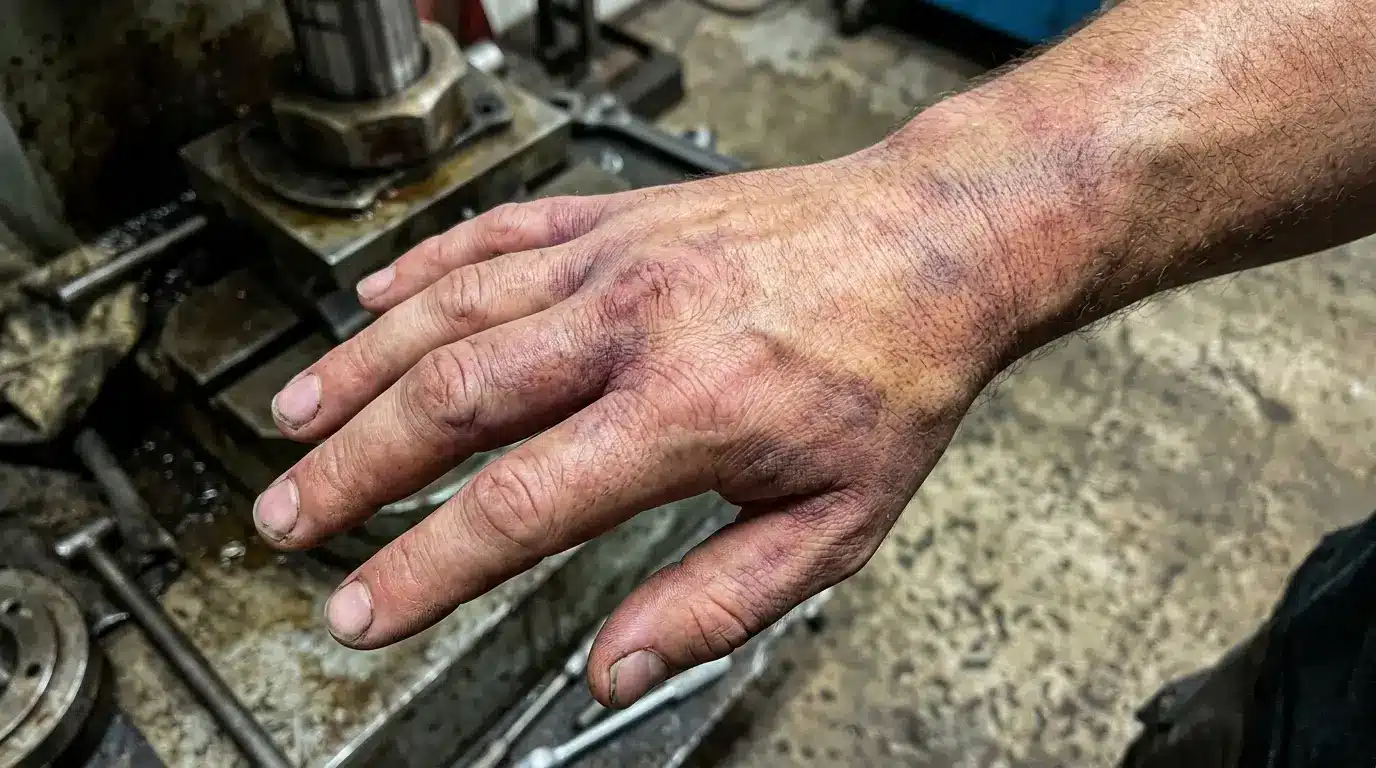
Key Highlights:
- What is a crushing injury in North Carolina? A crushing injury in North Carolina is an injury resulting from a large amount of force being applied to tissue, bone, or organs. They result in injuries that are far more complicated than a simple broken bone.
- Prolonged compression may lead to tissue death, which will release a large amount of dangerous toxins that can cause severe kidney damage or systemic failure when the pressure is released.
- Typically, survivors of crushing injuries will have permanent nerve damage, require multiple reconstructive surgeries, and experience significant financial loss due to lost wages and medical expenses.
- Insurance companies will generally dispute internal injuries, so obtaining early documentation from a physician and evidence from the scene is extremely important to preserve your claim.
If you have been injured in an accident, before filing a claim, we need to fully understand what is a crushing injury in North Carolina. Crushing injuries occur when one or more parts of the body are crushed by something heavy due to an accident. This type of injury is usually much worse than just having a fracture or laceration because of the intense forces involved in accidents across North Carolina’s busy workplaces and heavy traffic corridors.
Our personal injury lawyers at Tatum & Atkinson Law Firm have dealt with cases that happened at a construction site in Charlotte, a warehouse in Raleigh, or a rural road near Asheville. However, the medical and legal complications behind crushing injuries are huge and can take many years to resolve. What most people do not understand about crushing injuries is that they are painful and often require extensive medical assistance for recovery.
Call Tatum & Atkinson Law Firm at (800) 529-0804 today for your free consultation to discuss your injury and how our dedicated lawyers can help with your financial recovery.
What Is a Crushing Injury in North Carolina?
A crushing injury in North Carolina occurs when there is rapid, high-impact pressure to soft tissue, bone, or an internal structure, like an organ or blood vessel, where the body cannot compensate for the loss of blood or fluids. A crush injury North Carolina is different from a penetrating injury because it crushes blood vessels, nerves, and muscle fibers simultaneously. This is why crushing injuries are considered catastrophic injuries by many courts and from a medical standpoint in the state of North Carolina. The severity of the injury is based on the amount of force involved, the length of time that the limb or body part remained trapped, and what types of tissues were affected.
How Crushing Injury Accidents Occur Across North Carolina
A traumatic crushing accident NC can occur in many places where machinery and force intersect with people. Our law office has seen several situations where someone suffered a traumatic crushing injury, including:
- Workplace incidents: Workplace crushing injury NC workers face involvement operating forklifts, working around conveyor belts, falling from scaffolding, and loading trucks at construction sites.
- Roadway collisions: Examples of vehicle accident crush injury North Carolina that a driver or passenger sustains in rollovers, underride crashes, or being sandwiched between vehicles.
- Industrial and agricultural settings: Equipment failure, falling objects, or overturned equipment are frequent culprits.
- Premises hazards: Hazards such as falling shelving, elevator failure, or collapsing structures on people’s properties.
Because there are so many different scenarios that lead to crushing injuries, identifying who is responsible (e.g., the employer, the manufacturer, the driver, or the property owner) requires a lot of investigative work, which is why having an experienced legal team can be critical.
Why Crushing Injuries Rank Among the Most Severe Trauma Cases
Medical professionals and attorneys classify severe crush injuries North Carolina as a form of highly complex trauma because the compression of the body can cause damage simultaneously to muscles, bones, nerves, and internal organs.
The most concerning issue resulting from this type of accident is the extensive soft tissue damage from crushing injury. When a person has prolonged compression on their muscles from being crushed, muscle tissue will die, releasing potential toxins into the person’s bloodstream, which creates a serious risk of crush syndrome North Carolina (which may lead to kidney failure and shock) that emergency departments in North Carolina typically monitor for.
Systemic Damage Caused by Compression Force
- Shattered Bones: The extreme pressure applied to the bones can cause them to be completely fractured or shattered into multiple pieces, making surgical reconstruction very complicated.
- Severed Nerve Pathways: Nerve fibers can stretch or rupture completely, creating permanent numbness, chronic pain, or complete loss of motor control.
- Circulatory Collapse: When blood vessels are ruptured or collapse completely, it causes the vital blood supply to stop supplying oxygen to tissues throughout the body and significantly increases the risk of tissue death and potential amputations of the affected body parts.
- Internal Organ Damage: Compression injuries that occur to the abdomen or chest area can cause serious injury to the lungs, liver, or kidneys without any external signs of injury.
Early Warning Signs You Shouldn’t Ignore
A few signs of compression appear immediately, while some take hours to appear due to the buildup of toxins. If you or someone you know has suffered from a limb crushing accident NC, you must get emergency medical care as soon as possible, regardless of how stable you appear to be.
If you notice any of the following life-threatening warning signs, seek emergency medical attention immediately:
- Progressive Swelling: Swelling that is getting worse rather than improving during the first few hours after the injury occurs.
- Loss of Sensation: Numbness, tingling, or inability to move the injured body part, and the sensation continues to be present.
- Circulation Issues: Skin that feels unusually cold or has an abnormally pale or dark color.
- Severe Pain: Intense pain that seems out of proportion to any visible injuries on the surface.
- Dark Urine Output: A tremendous and very evident sign that your kidney function is shutting down due to muscle toxins that are passing through your bloodstream.
Emergency Treatment and the Long Road to Recovery From Crushing Injuries North Carolina
Immediate care teams work initially to prevent further damage to the patient’s system by stabilizing them as well as monitoring kidney function while gradually relieving pressure to control toxin surges. Initial interventions often include emergency surgery, fasciotomies to relieve life-threatening compartment pressure, or amputations.
Sadly, the recovery period from crushing injuries North Carolina is usually not short-term. Survivors typically experience long-term physical limitations and disruptions to their daily lives, including:
- Chronic Nerve Pain & Limited Mobility: Persistent numbness, intense pain, and permanent loss of function in the injured extremity.
- Extensive Medical Treatments: An exhausting timeline of multiple reconstructive procedures, physical therapy, and occupational rehabilitation that can last anywhere from many months to many years.
- Lifestyle Disruption: Inability to return to normal work, sudden reliance on adaptive equipment, and lifelong continuing care.
These long-term consequences of injury are exactly why getting fair compensation is so important. The costs of medical bills and lost wages accumulate rapidly, and any settlement should provide for decades of future expenses.
Why Documentation Matters After a Crush Injury Accident
To be successful in catastrophic injury claims NC, you must preserve evidence as soon as possible. An insurance company will often try to dispute the cause of compression injuries by claiming that they either were pre-existing or not the result of the accident.
To help ensure you are getting paid fairly for your claim and to protect your rights, obtain and protect these key documents:
- Medical Foundations: All emergency room visit history (including discharge paperwork), diagnostic imaging, and any physician reports of prognosis related to potential long-term complications.
- Financial Impact: Evidence of lost income and future earnings that shows the impact of your injury.
- Scene Evidence: Photographs of the scene of the accident, of damaged equipment, and both vehicles before the area was cleared.
A strong case is built upon solid evidence; without solid evidence, insurance adjusters will look for gaps in your recovery records to use to reduce the amount of your recovery. The quicker you act, the less chance there will be for an insurance company to dispute the connection between your accident and your disabling injuries.
How Tatum & Atkinson Law Firm Helps North Carolina Crush Injury Victims
The personal injury attorneys at Tatum & Atkinson Law Firm have successfully handled serious, life-altering claims for victims of other people’s negligence throughout North Carolina. We have extensive knowledge of how medical expenses associated with compression trauma are calculated and what strategies insurance companies employ to try to minimize these payments. Additionally, our lawyers know about state law regarding time limits for bringing these types of claims.
Our lawyers will thoroughly investigate your accident, gather the necessary information from medical professionals to establish the complete extent of your injuries, and pursue the maximum amount of compensation for all of your medical expenses, lost wages, and future care that you will require.
If you or a member of your family is trying to determine what is a crushing injury in North Carolina and how it may affect your case, know that you do not have to go through this difficult process alone. We handle every case on a contingency-fee basis; therefore, you will not have to pay anything upfront, and there will be no attorney’s fees owed unless we win your case.
To learn more about protecting your rights and to take the first step toward getting the compensation you deserve, call Tatum & Atkinson Law Firm at (800) 529-0804 today to schedule a free consultation.
Frequently Asked Questions!
Can a crushing injury appear minor at first?
Even though an internal injury may not be seen outside the body (muscle, nerve, or organ), swelling or release of toxins after the injury may require urgent medical assessment because it can take hours before any symptoms develop.
What is crush syndrome, and why is it dangerous?
When muscle tissue is compressed and the pressure is taken off the muscle, it allows for the release of toxins into the bloodstream from the muscle. This can lead to renal failure or irregular heartbeat rhythms, as well as shock, which can be fatal if not properly treated quickly.
Are crushing injuries more common in certain industries?
Yes. The likelihood of a workplace accident in agriculture, construction, warehousing, and transportation take place every day because these fields utilize large, heavy equipment. As a result, workers within these industries continuously have the possibility of being injured by compression hazards.
Do all crushing injuries involve broken bones?
No. Crush injuries can lead to serious damage to soft tissues, nerves, and organs, even if no bones are broken. A crushing injury can cause life-threatening internal injury even if bones are not fractured.
