What If I Suffer Paralysis After A Car Accident In Virginia?
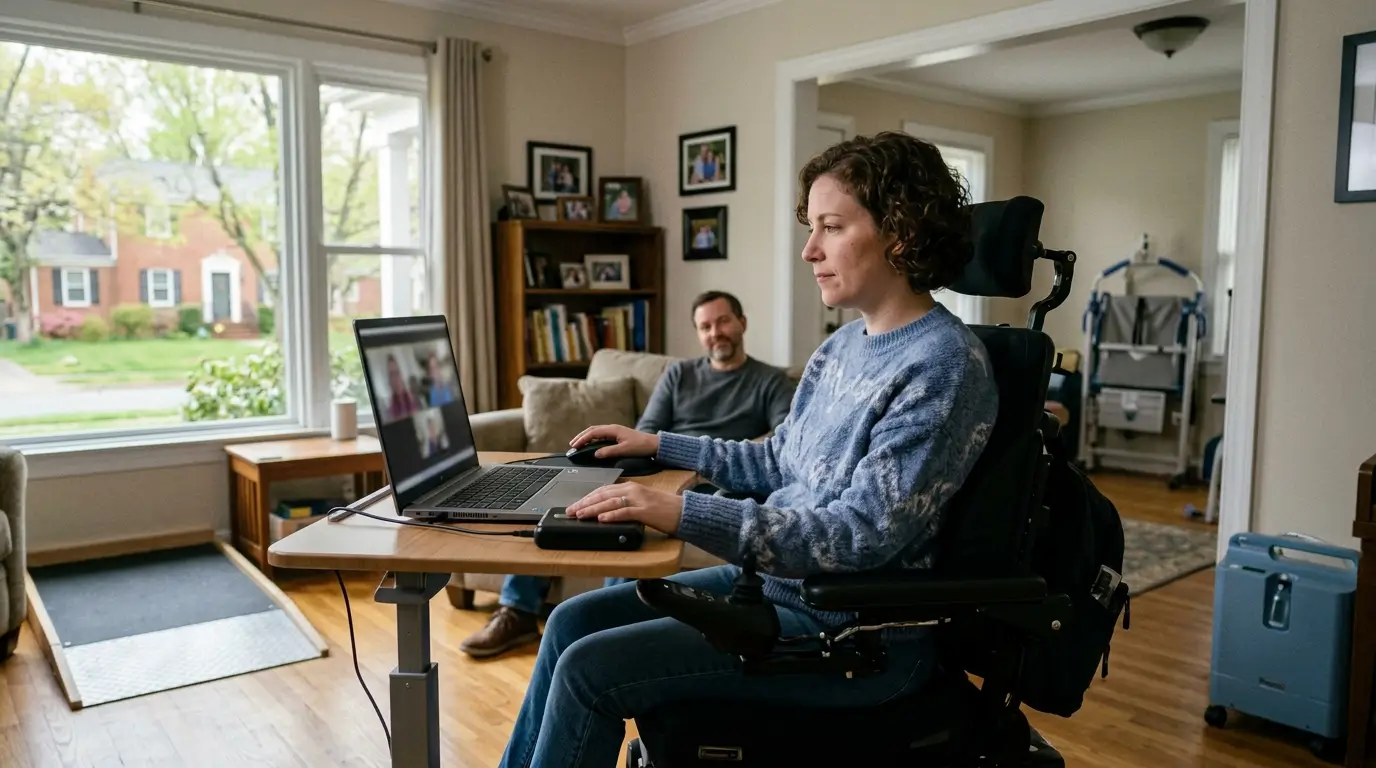
Key Highlights:
- A car accident in Virginia prevents victims from recovering damages for ER services, operations, rehabilitation, lost earnings, necessary modifications at home, caregivers, and pain and suffering.
- The victim of paralysis is sure to have high lifetime medical costs, including orthotics, medical equipment, automobile modifications, and at-home healthcare needs throughout their life expectancy.
- Virginia law still requires proof of negligence for a motor vehicle accident.
- Proofs used to back up a claim for paralysis include MRIs/CT scans, neurologist reports, photos of the crash site, eyewitness testimony, medical documents, and lifetime care projections.
- Insurance companies often contest claims for paralysis injuries because of the high value of the lifetime medical care injury claim.
- It is crucial to talk to a lawyer at the earliest stage possible so that you can preserve evidence, especially before it becomes impossible to retrieve it or while the witnesses still remember what transpired.
A serious legal matter is required for such paralysis following an automobile accident in Virginia that will alter your life. I am Robert Tatum, an attorney with Tatum & Atkinson Law Firm, which has dealt with catastrophic injury car accident cases previously and has learned that every detail counts. This information will give you the best chance of receiving the financial support you need to continue living normally.
If you suffer paralysis after a car accident in Virginia, you may have the right to pursue a paralysis car accident Virginia claim for emergency care, surgery, lifelong rehabilitation, lost income, home modifications, caregiving costs, and pain and suffering.
Virginia is a contributory negligence jurisdiction. Just one slip-up in presenting your case, and it may be used against you by the insurance company. Hence, it is best if you seek legal counsel as early as possible.
What Do the Numbers Actually Tell Us?
According to the NSCISC, approximately 37.3% of newly occurring traumatic SCIs (Spinal Cord Injuries) in the United States stem from automobile crashes. Therefore, vehicle crashes are an important contributor to the overall incidence of traumatic SCIs in the United States.
But what about the economic cost? It’s astronomical. The estimated first-year financial cost of medical care alone for someone who sustains a high cervical injury exceeds $1 million. The total life cost to support a patient diagnosed with complete quadriplegia at age 25 can easily exceed $5 million, excluding all other costs. And the life cost for paraplegia can still easily exceed $2.2 million.
A spinal cord injury compensation Virginia claim that doesn’t account for those long-range numbers is a claim that will leave you short. Years from now.
What Types of Paralysis Can Happen After a Virginia Crash?
Types of paralysis that you should be aware of:
Quadriplegia (Tetraplegia)
Lesion at a level higher than the first thoracic vertebrae. This impairs the functioning of all extremities, muscles of the trunk, and sometimes causes paralysis of breathing muscles. High cervical injuries (C1-C4) usually require ventilation assistance and constant nursing care.
Paraplegia
Injuries lower than the thoracic part of the spinal column.
Hemiplegia and Monoplegia
Hemiparalysis or monoplegia. This type of paralysis is often associated with nerve injuries and not a total separation of the spinal cord.
Partial or Incomplete Paralysis
Your spinal cord has been partly injured, and a partially traumatic spinal injury that looks good on the outside does not mean there won’t be permanent functional loss.
What Should You Do Immediately After a Suspected Spinal Injury?
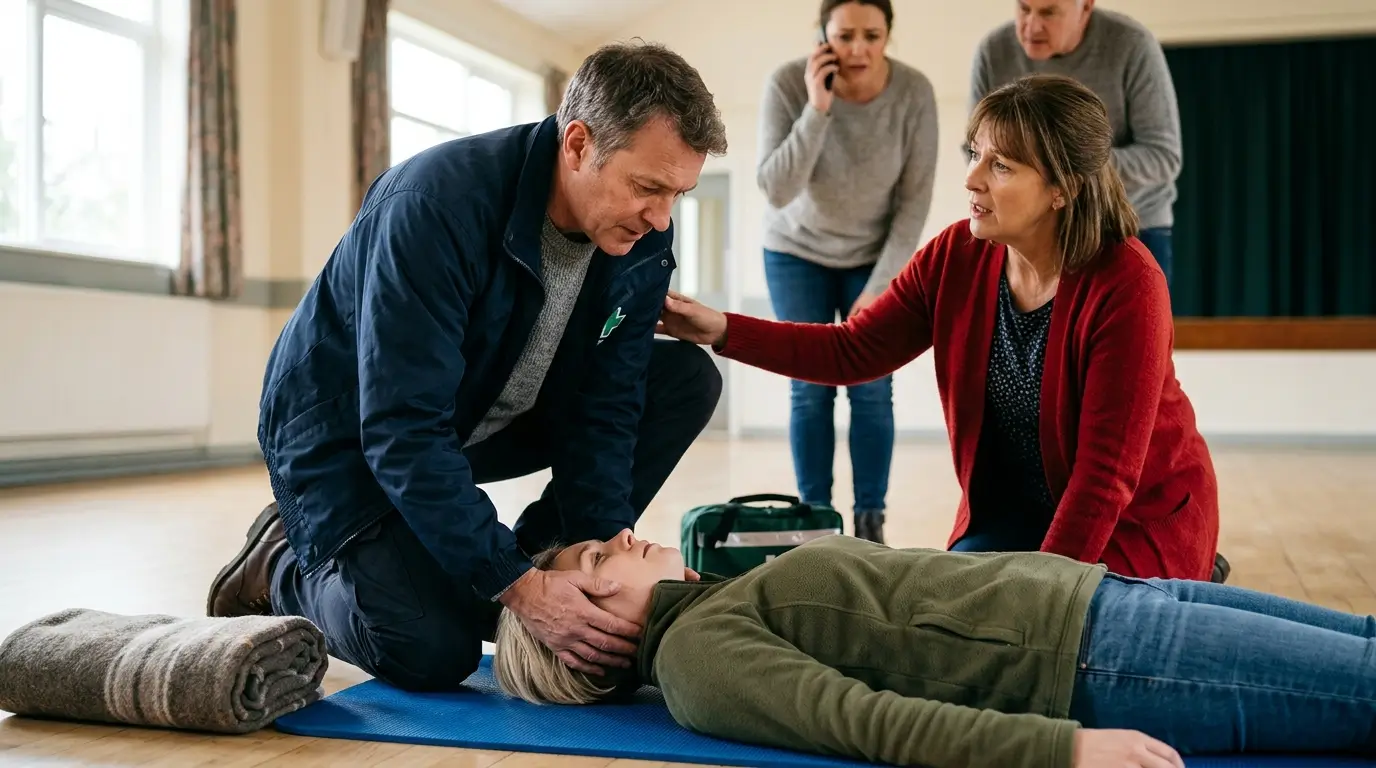
Never risk continuing with your normal activities, especially if you got spinal cord injury after a car accident. Injured people who can move on their own in the first few hours after being hurt will not be able to walk if they don’t have the right kind of help, even from good-intentioned first responders.
Step 1: Don’t move without medical guidance
If you were in an auto accident and you have pain in your backbone or neck, have no movement or feel weak, please stay still and wait for an ambulance to take you to a doctor.
Step 2: Get to the ER and be specific
Be specific about what you experienced in terms of discomfort and timeframes when giving details to doctors. Non-specific information results in non-specific treatment. Advocate for your imaging tests.
Step 3: Follow every discharge instruction
Missed appointments and failed follow-throughs provide ammunition to the insurers who want to show your case is not serious.
Step 4: Preserve evidence from day one
The crash scene pictures, damaged car photographs, witness statements, the police report, and even the dash cam footage all become elusive quickly.
Step 5: Do not give a recorded statement to the other driver’s insurer.
Not yet. Not until you talk to a lawyer first.
There have been cases when the first two to three weeks made the difference between being paid out the total amount due or pennies on the dollar, despite similar events transpiring in court.
How Does Paralysis Change the Value of a Virginia Injury Claim?
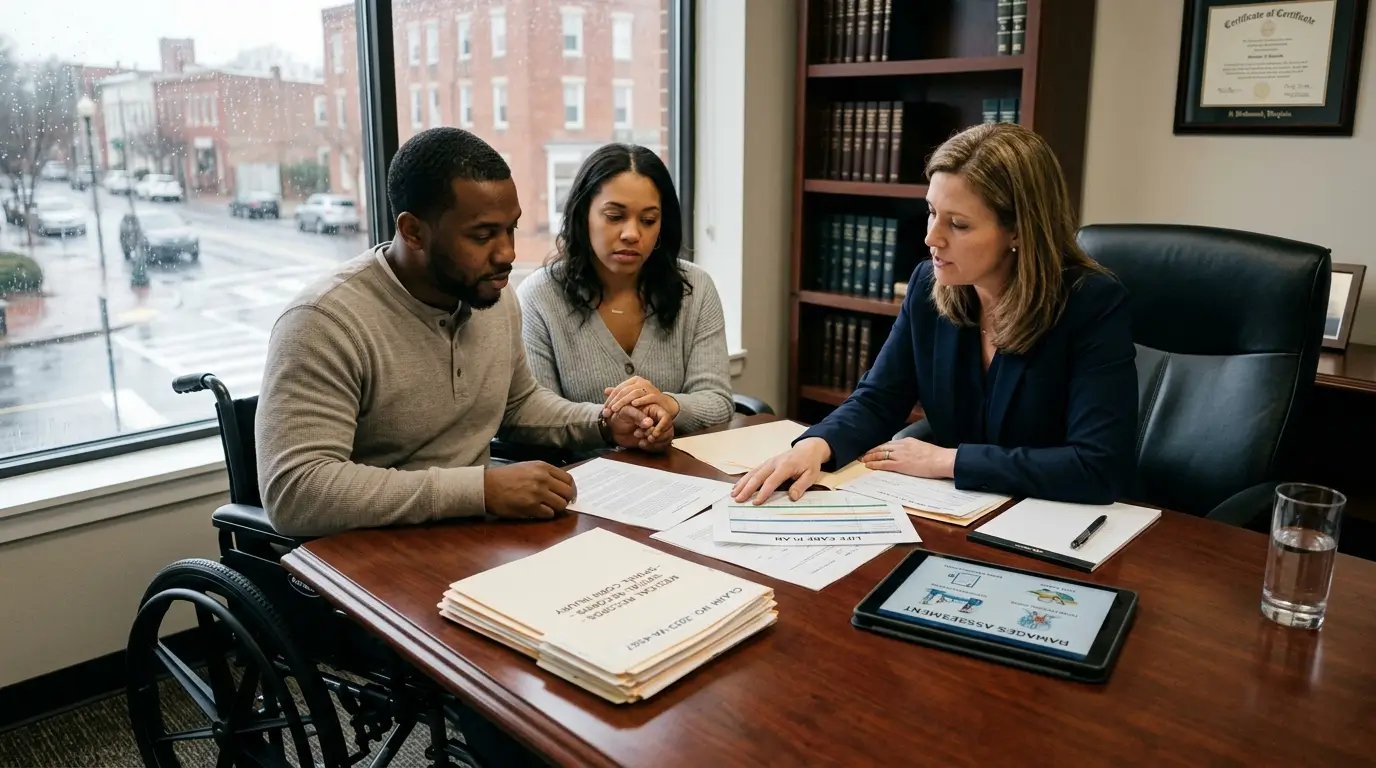
Unlike the glossed-over generalizations used when estimating the value of a car accident claim, there are very few established guidelines that will directly correlate paralysis settlement value Virginia from a car accident claim.
What a Comprehensive Paralysis Claim Actually Covers
Damage Category |
What It May Include |
| Emergency and acute care | ER, ICU, surgery, hospitalization, initial rehab |
| Future medical treatment | Specialist visits, secondary complication care, pain management |
| Assistive equipment | Power wheelchairs, ventilators, communication devices |
| Home modifications | Ramps, widened doorways, roll-in showers, lifts |
| Transportation | Wheelchair-accessible vehicles, modifications |
| In-home caregiving | Professional nursing, personal care aides, family caregiver compensation |
| Lost income | Wages lost during recovery plus reduced lifetime earning capacity |
| Pain and suffering | Physical pain, emotional trauma, depression, anxiety, grief |
| Long-term disability | Permanent impairment, future complications, reduced life enjoyment |
To calculate long-term disability compensation Virginia for another person, we will utilize a life-care planner/loss of household services, sweat equity work, and vocational expert opinion with economic evaluation, in addition to simply running through the doctor’s office.
Who Can Be Held Responsible for a Virginia Paralysis Injury?
The driver who hit you never stops in a car accident paralysis lawsuit
Of course, the at-fault driver comes first. But considering…
- How the collision took place
- Liability can be traced to trucking companies when commercial vehicles are involved
- Employers when the driver was working at the time
- Owners of vehicles that were being operated by other drivers
- Contractors who were responsible for malfunctioning brakes or tires
- And possibly even governmental bodies when a dangerous condition of an interstate or state road caused the accident.
What makes this especially important about Virginia is the fact that Virginia follows the doctrine of pure contributory negligence. You can be prevented from recovering compensation for your injuries even if the percentage of liability you bear is extremely low, as little as 1%. Insurance adjusters use it to their advantage, looking for ways to allocate even the smallest portion of blame on you.
Why Insurance Companies Fight Paralysis Claims So Hard
Let’s be honest about something. Insurance companies know that a Virginia personal injury catastrophic injury claim involving paralysis can reach seven figures. So they don’t treat these cases the way they treat a fender-bender.
They will utilize their own medical experts to dispute the causation of the accident. They will review your complete medical history and attempt to locate any prior injuries that may serve as a basis for them to claim that part of your paralysis was caused by something other than the accident. They will dispute any costs of treatment that you will incur in the future. They will also build their own case behind the scenes while acting like they are being respectful to you.
Therefore, it is critical to have documented evidence, expert witness support, and an attorney who has experience handling catastrophic injury claims in order to fight back against these tactics of the opposition.
How Do Medical Specialists Prove Spinal Cord Damage in Court?
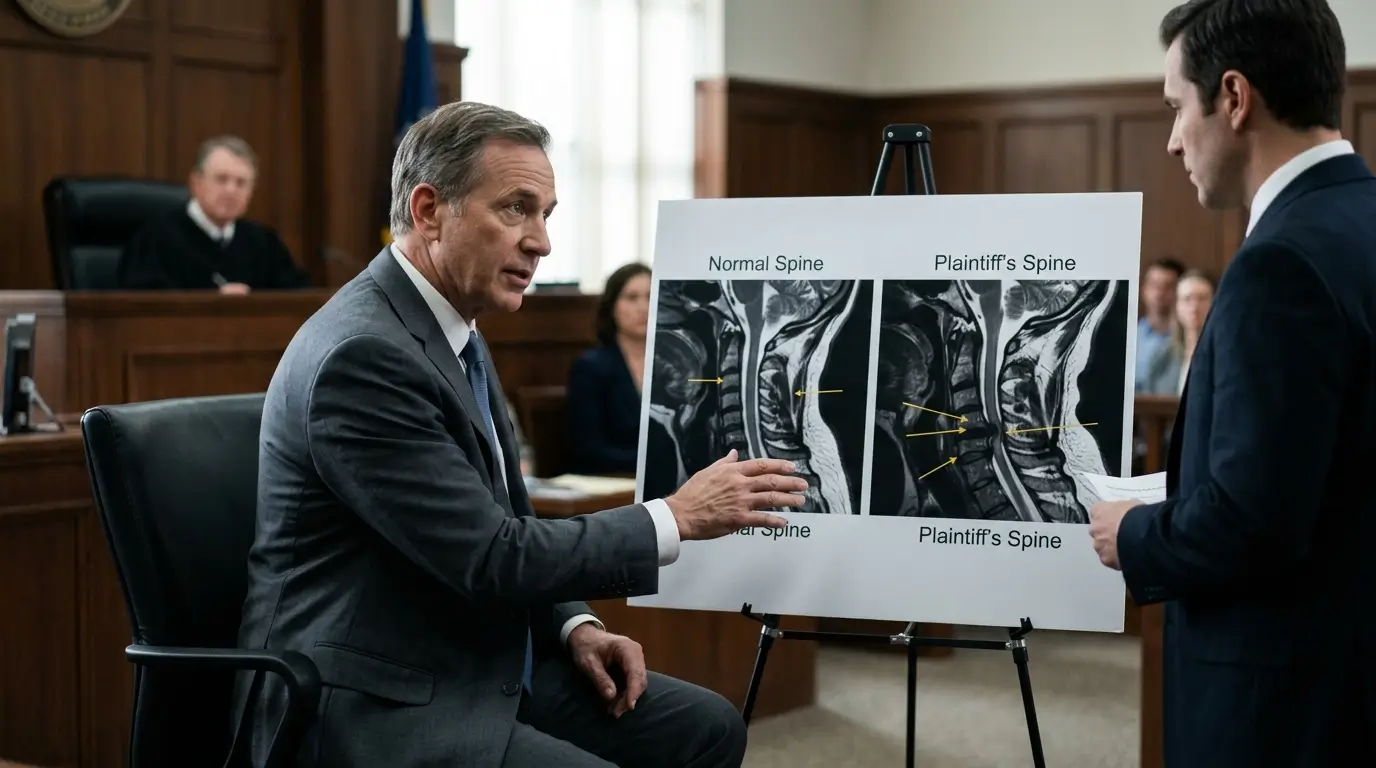
When a case has the right team, it is very promising, or it makes the case difficult. A nerve damage accident settlement is determined by the medical evidence produced and is independent of someone claiming to be hurt.
The professionals who are commonly involved in these types of cases include:
- Neurologists: Diagnosing and documenting injuries to the spinal cord, nerves, and symptoms based on the evidence of development of those symptoms, and connecting the injury to the accident.
- Neurosurgeons and orthopedic spine surgeons: Assessing the extent of the injury to the structure and any recommendations for surgery, as well as projecting future surgeries.
- Physiatrists (physicians specializing in rehabilitation medicine): Assessing the level of injury and the potential for recovery.
- Life Care Planners: Developing a comprehensive, detailed lifetime cost projection for the plaintiff’s medical expenses,
- Vocational Rehabilitation Experts: Determining if it is possible to return the plaintiff to meaningful employment.
- Economists: Determining the present value of current losses to give clients a complete understanding of the financial impact of the injuries.
What Nerve Damage After a Crash Can Really Mean
Injuries suffered as a result of Nerve damage accident settlements can be compensated for through a settlement in Virginia as long as they meet the requirements of being radiculopathy (herniation of a spinal nerve) or peripheral neuropathy, CRPS, or incomplete spinal cord injuries. Since these types of nerve damage are not as easily seen on X-rays or other means of imaging as a fracture would be, the neurologist’s assessment of your history of complaints will be very important.
How Paralysis Affects Your Daily Life, The Full Picture
Simply getting out of bed turns into a task. A shower requires special devices and usually the assistance of someone else. Driving, which we all take for granted at this point, is off limits. Cooking, grocery shopping, and entering a restaurant… all must be recalculated to fit the parameters of accessibility.
A complete Virginia personal injury catastrophic injury claim should include compensation for psychological harm, loss of enjoyment of life, and the emotional strain placed on family members, too.
Everything is different now, post paralysis.
When Should You Talk to a Virginia Catastrophic Injury Attorney?
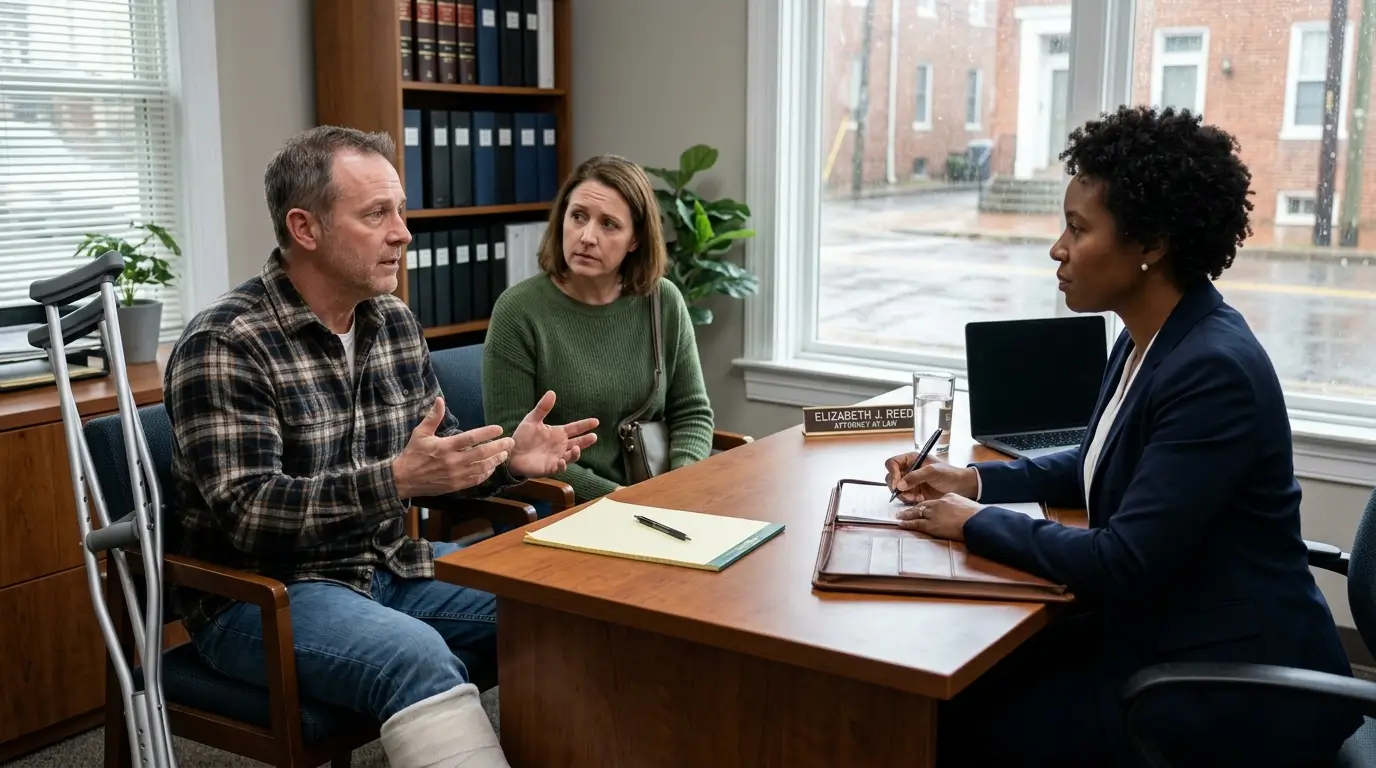
The simple fact of the matter is that the answer is “as soon as possible.” Not because we’re overstating the situation, but because evidence has an expiration date.
VDR data is wiped clean. CCTV footage will have been overwritten after 30 days. Eyewitnesses’ memories fade. And the claims process begins immediately upon receiving notice.
An attorney experienced in traumatic spinal injury damages can:
- Do not let physical and electronic evidence vanish
- Determine who may be held responsible for the accident
- Save yourself from making statements that could compromise your case
- Work with doctors at all times
- Let us handle all communications with insurance companies for you
Virginia’s statute of limitations for most personal injury claims is two years under Va. Code §8.01-243, but exceptions exist, and some circumstances shorten that window. Don’t wait for the deadline to get close.
A Paralysis Claim Is Not a Standard Injury Case
Being paralyzed affects every aspect of your life…
- Your body
- Job
- Home
- Relationships
- And finances.
Therefore, to get the best possible settlement after a car accident to recover from your injuries, it is important to consider all of your future costs of living and the care you will need for the rest of your life; therefore, any accident claim that only takes into account medical expenses will not include lost wages, future nursing home costs, and the cost of your wheelchair today compared to the cost of the wheelchair you will need in 5 years, etc.
In addition, following your accident, you will have to file a car accident paralysis lawsuit, which is a complicated undertaking, and this is exactly what will be necessary to receive a fair settlement for your long-term care from a just recovery.
Ready to Talk? Contact Tatum & Atkinson About Your Virginia Paralysis Claim
If you or your loved one is suffering from paralysis or spinal cord injuries after a motor vehicle accident in Virginia, then Tatum & Atkinson Law Firm wants to hear from you. Our team takes these cases on a contingent fee basis, meaning that there is no upfront cost for getting your questions answered.
Call (800) 529-0804 for a free consultation. Tell us what happened. We’ll tell you where you stand.
FAQ: Paralysis After a Virginia Car Accident!
What if only partial paralysis develops after the accident?
Paralysis may still allow for a case to go forward if medical information can demonstrate its correlation to the accident and any resulting physical impairments.
Can I recover compensation for home modifications after paralysis?
Yes. This could include installation of ramps, wider doorways, roll-in showers, stair lifts, and other necessary modifications if medically necessary and injury-related.
How is future caregiving calculated in paralysis injury claims?
It is based upon medical expert testimony, life care plan, daily living aids assessment, projected life expectancy, and the current market rate for skilled nursing facility services.
Does paralysis automatically mean the other driver is liable in Virginia?
You still have to prove that you caused harm through your actions by presenting evidence showing the damage occurred due to an intentional act.
What role do neurologists play in my injury case?
Neurologists are able to help in diagnosing spinal cord or nerve-based injuries, as well as tracking the progression of those injuries from the time of injury until their final state, and identifying the future treatment needs associated with them.
