What Kind Of Permanent Injuries can A Dog Bite In Virginia Cause?
Key Highlights:
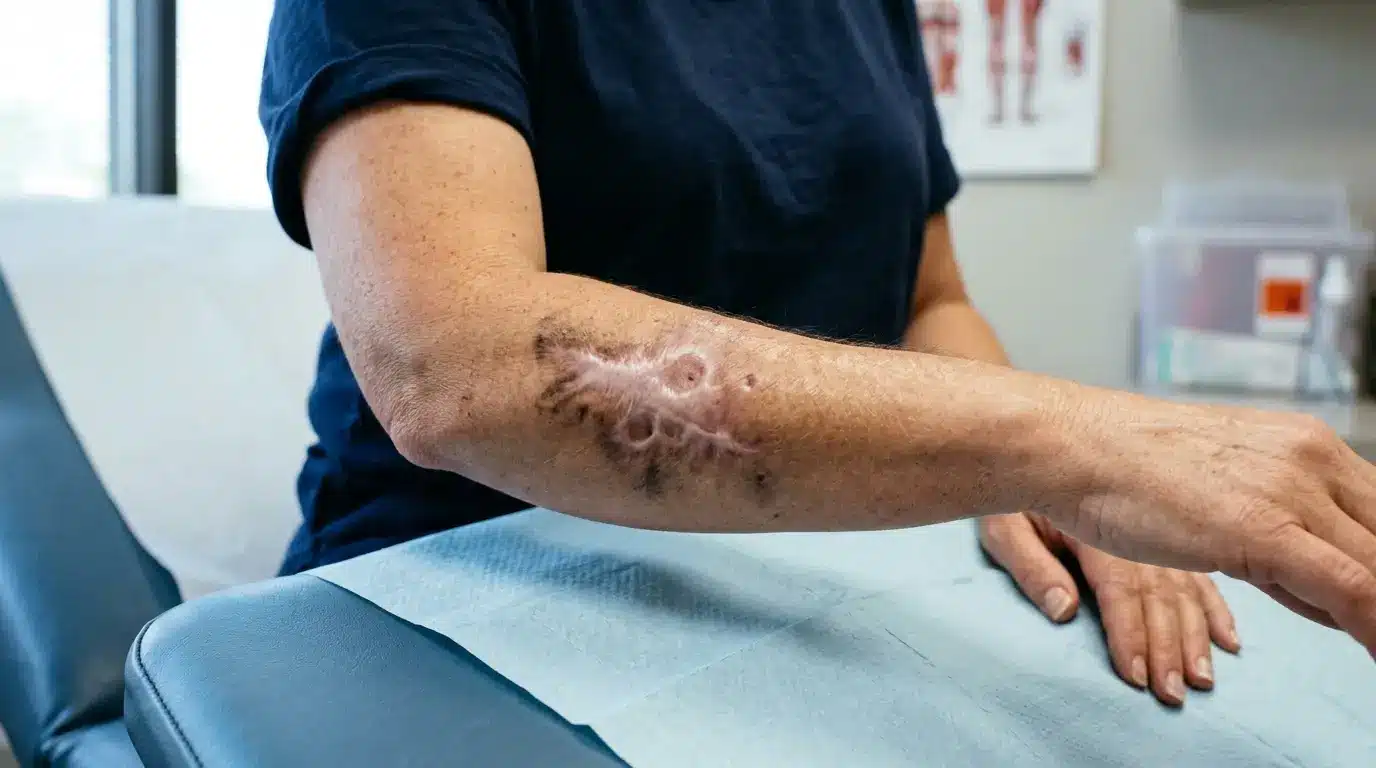
- What kind of permanent injuries can a dog bite in Virginia cause? Dog bites are known to cause long-term injuries, such as scarring, nerve damage, damage to tendons, complications from infections, disfigurement of the face, and emotional stress/chronic pain.
- Dog bite permanent injuries Virginia can stem from more than just the initial incident, as additional damage may be discovered during surgery, rehabilitation, infection treatment, or follow-up care.
- In Virginia dog bite injury claim, the compensation can cover emergency care, stitches, surgery, plastic surgery, future expenses for treatment, lost wages, pain, scarring, and emotional trauma.
- Long-term permanent dog bite scarring can impact an individual’s ability to perform daily activities, work, feel secure, and have confidence in themselves.
- Severe dog bite injuries compensation will depend on liability, medical evidence of the injury, the possibility of infection, disfigurement, expected future medical care, and how the injury will alter day-to-day life.
What kind of permanent injuries can a dog bite In Virginia cause? In Virginia, what types of permanent injuries can result from a dog bite? Dog bites may cause lifelong scars, nerve damage, tendon injuries, complications from infections, injury to the face, muscle injuries, chronic pain, and emotional trauma.
Some bites can appear small at first. Then it becomes difficult to grip the hand properly. A scar may tighten or stretch after healing. Facial injuries may not heal evenly. Chronic pain from a dog bite may continue to manifest itself for years after the dog bite occurred, leaving individuals feeling that they have been injured for much longer than the original dog bite incident.
My name is Robert Tatum, an attorney with Tatum & Atkinson Law Firm, a veteran-owned law firm with over 65 combined years of experience handling permanent dog bite injury claims. We understand that dog bite victims may have visible scars as well as invisible injuries that can be just as painful. We will advocate on your behalf and work to get you the compensation you deserve.
When Does a Dog Bite Become More Than a Surface Wound?
When dogs bite, their teeth can puncture through the skin and into the deeper tissue of the body. Dog bites do not cleanly cut flesh. When a dog bites, bacteria can be pushed into the open wound, tissue damage can occur under the skin, and sometimes the injury isn’t apparent right away.
The Virginia Dept. of Health has a report showing that every year in Virginia, thousands of animal bites are recorded by local health departments and by animal control officers. Dogs and cats are two of the most common types of animals that cause animal bites, but children are often the most seriously affected by having been bitten.
There are important things that you should know in your real-world life because of the many dog bite cases. The small puncture mark near your hand, face, lip, or near a joint may be hiding nerve, tendon, or infection damage. The first image of a dog bite does not usually tell the whole story of the extent of the injuries sustained from the actual bite.
What Permanent Injuries Can a Dog Bite Cause?
Injuries due to dog bites can occur to the skin, nerves, tendons, muscles, joints, bones, and/or mental health. The location from where the dog bit you also has an impact on how severe your injuries may be. If you were bitten on your calf, a scar at that location will be present; however, if you were bitten on your hand, your ability to grasp things is going to be altered, and if you were bitten on your face, you may need surgical intervention, or you will have visible changes to your face.
Permanent Injury |
How It Can Affect You |
| Scarring | Visible marks, tight skin, tenderness, reduced movement |
| Nerve damage | Numbness, burning, tingling, weakness, chronic pain |
| Tendon damage | Poor grip, finger stiffness, loss of hand function |
| Infection complications | Tissue damage, hospitalization, surgery, and a long recovery |
| Facial disfigurement | Uneven healing, visible scars, and emotional distress |
| Psychological trauma | Fear of dogs, sleep issues, anxiety, avoidance |
A strong Virginia dog bite injury claim should include the full injury, not only the urgent care bill.
How Can Deep Tissue Damage Permanently Change the Body?
Crush injuries often result from dog bites, meaning that everything damaged isn’t just visible where they left their teeth in the skin. They can also bruise soft tissues, tear muscle tissue, and damage blood vessels and other soft tissues underneath the skin from the force used when they bite down.
This is one of the reasons for permanent dog bite permanent injuries Virginia, as the skin could heal up, but the damage done to the tissues underneath may take much longer to show up. Therefore, people may still experience some degree of pulling, stiffness, weakness, numbness, or pain long after the initial injury has occurred.
Tasks that are ordinarily routine and simple may now present a challenge or be impossible for people to do (such as buttoning your shirt, holding a coffee cup, holding your child, typing, driving, and shaking hands).
Why Is Nerve Damage After a Dog Attack So Serious?
These can seem like “little things” until they become “big things.”
Many times, dog attack nerve damage can take time to show up and for you to recognize. Just because the injury to the skin may have healed, it does not necessarily mean that the nerve damage will have healed.
The areas of numbness, tingling, burning, throbbing, temperature sensitivity, and electric shock sensations can occur. The length of time to notice these sensations can range from hours to years!
In some cases, a person may not be able to feel their finger, hand, wrist, arm, cheek, lip, or leg due to nerves being damaged in areas where they received their dog’s bite.
In addition to pain that occurs long after the injury may have healed, you will experience a decrease in strength and coordination, and if the nerves in the hand or arm are injured, then you will experience difficulty using your hands to grip and do fine motor tasks.
Why Are Facial Dog Bites Often More Serious?
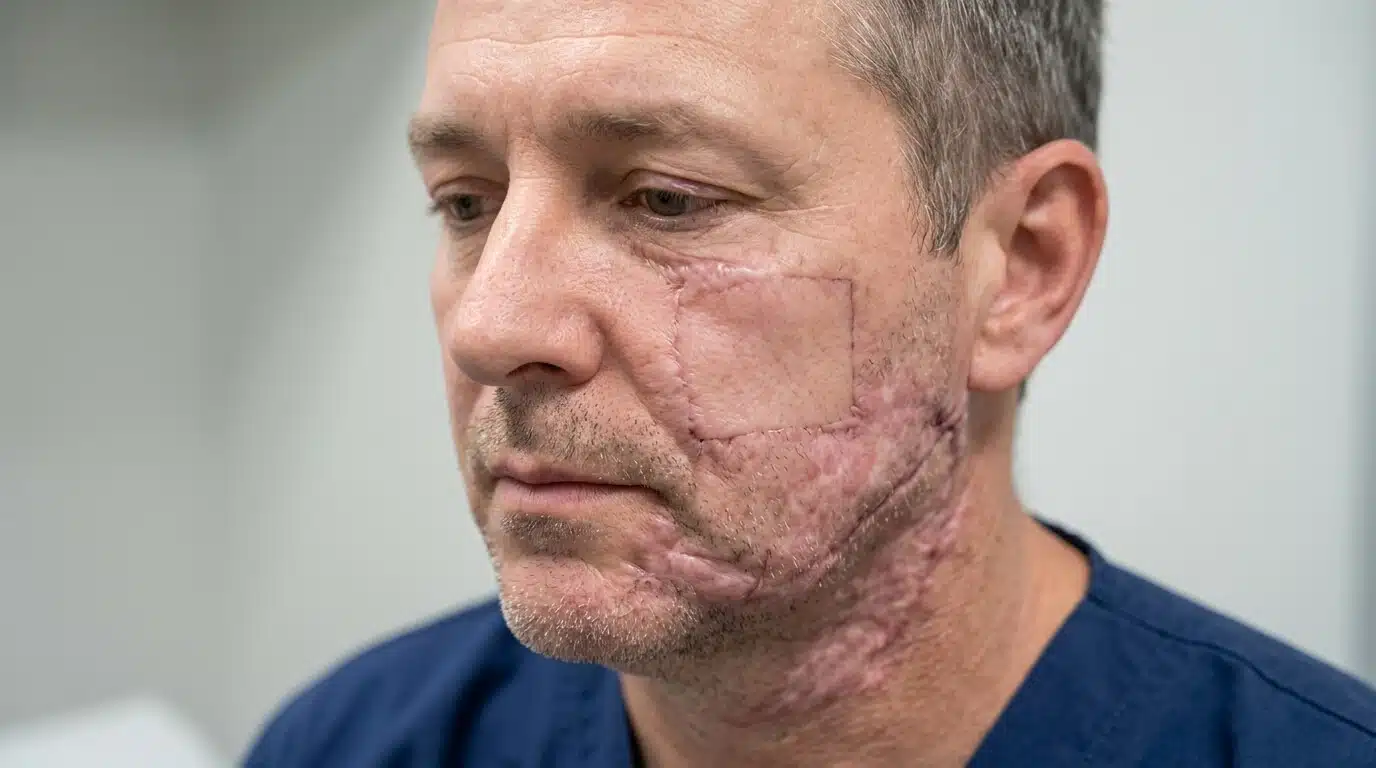
Facial disfigurement dog bite Virginia may cause serious physical and psychological harm to the person who is bitten. A person’s face is their identity and the first impression they make on the outside world.
Dog bites to the face may leave a person with many different types of injuries – torn lips, cheek injuries, eyelid injuries, nose injuries, nerve damage, uneven scarring, and loss or damage to facial muscles. Young children are often at higher risk for dog-biting injuries because their faces are at a similar level as dogs when the latter are standing on all fours, and they may not be able to recognize the warning signs of being bitten by a dog.
Children are at risk of dog bites and are at an increased risk of experiencing serious injury as a result of a dog bite. Children between the ages of five and nine are at the highest risk of being bitten by a dog. In addition, many dog bites occur either in the dog’s home or in one of the dog’s familiar environments; therefore, if the dog is familiar with the location, the risk of the dog biting is also increased.
Various treatments can be used to repair the injuries that occur from facial dog bites, such as stitches, plastic surgery, laser treatments, and eventual reconstruction. After treatment is finished, the person may no longer feel the same way when seeing pictures of themselves, attending school, working, dating, or being in public settings.
Can Infection Turn a Dog Bite Into a Long-Term Medical Problem?
Certainly. Serious dog bite infection complications because puncture wounds may trap bacteria beneath the surface of the skin, which is very serious. The CDC states that both dog and cat bites have the potential for developing a Capnocytophaga infection, among potentially other diseases; therefore, after being bitten by either animal, you should
- Wash the wound with soap & water;
- See your physician or go to urgent care for possible antibiotic treatment.
Infections may cause the sensation of swelling, warmth, redness, drainage of pus, fever, and red streaks and can potentially also lead to tissue necrosis, hospitalization, and/or surgery. In some instances, an infection could also lead to a life-threatening complication.
When an infection alters how the treatment for an animal attack would be handled, it may also have an effect on the potential settlement value of an animal attack lawsuit Virginia.
How Do Tendon and Muscle Injuries Affect Hands and Arms?
The dog bite tendon damage injury can affect the tendons in our body. Tendons are important parts that help you move your body. The tendons in our hands are near the nerves, arteries, joints, and bones.
Injury from a dog bite on the hand can potentially limit your ability to move your hand. Other examples of possible limitations include not being able to grip an object fully, having difficulty bending a finger, not forming a pinch with your thumb, and having an unsteady wrist. Scarring from the injury can also cause restrictions on the movement of your hand.
People who work with their hands are significantly affected by this type of injury, including, but not limited to, nurses, mechanics, contractors, warehouse workers, caregivers, truck drivers, restaurant workers, and office workers. Hand injuries require proper aftercare and should never be ignored.
Why Do Children Often Suffer More Lasting Effects?
Children may have more permanent effects from a dog bite injury compared to an adult. Children are smaller than adults and are, therefore, much closer to a dog when they are bitten. A bite that hits an adult’s leg may hit a child’s face, neck, hand, or arm.
As children mature, the dimensions and characteristics of a healing scar will change over time as well. Some indications of emotional trauma that children may experience after being bitten by a dog include nightmares, fear of dogs, excessive attachment to their parents, anxiety, poor performance in school, and avoidance of children.
While each parent describes their child’s healing process, they will all express one commonality: “They have healed, but they will never be the same.” This statement is critical and should be included in the child’s file for reference.
What Is the Difference Between Temporary Injury and Permanent Disfigurement?
The body can repair itself from temporary injuries and has little to no long-term effects. Sometimes permanent disfigurements can occur, though, from dog bites, which can leave behind visible, functional, or sensory changes that do not completely go away.
Permanent dog bite scarring can include:
- thickening, discoloration, tightness (scar tissue)
- keloid (raised) scars
- contractures over the joint space where you move, and/or
- scars that limit your range of motion.
Scarring over the joints can be tighter during movement than before; facial scarring may affect how expressive you are and how confident you feel.
Also, with injuries deemed “permanent,” you may experience symptoms including a lack of sensation and/or reduced grip strength, continual pain, and/or the need for repeat surgical procedures.
The most important question to consider when thinking about how far a wound has healed from a dog bite is not, ”Did the wound heal, close?” Instead, ask yourself: “What did the original bite leave behind?”
When Are Multiple Surgeries Needed?
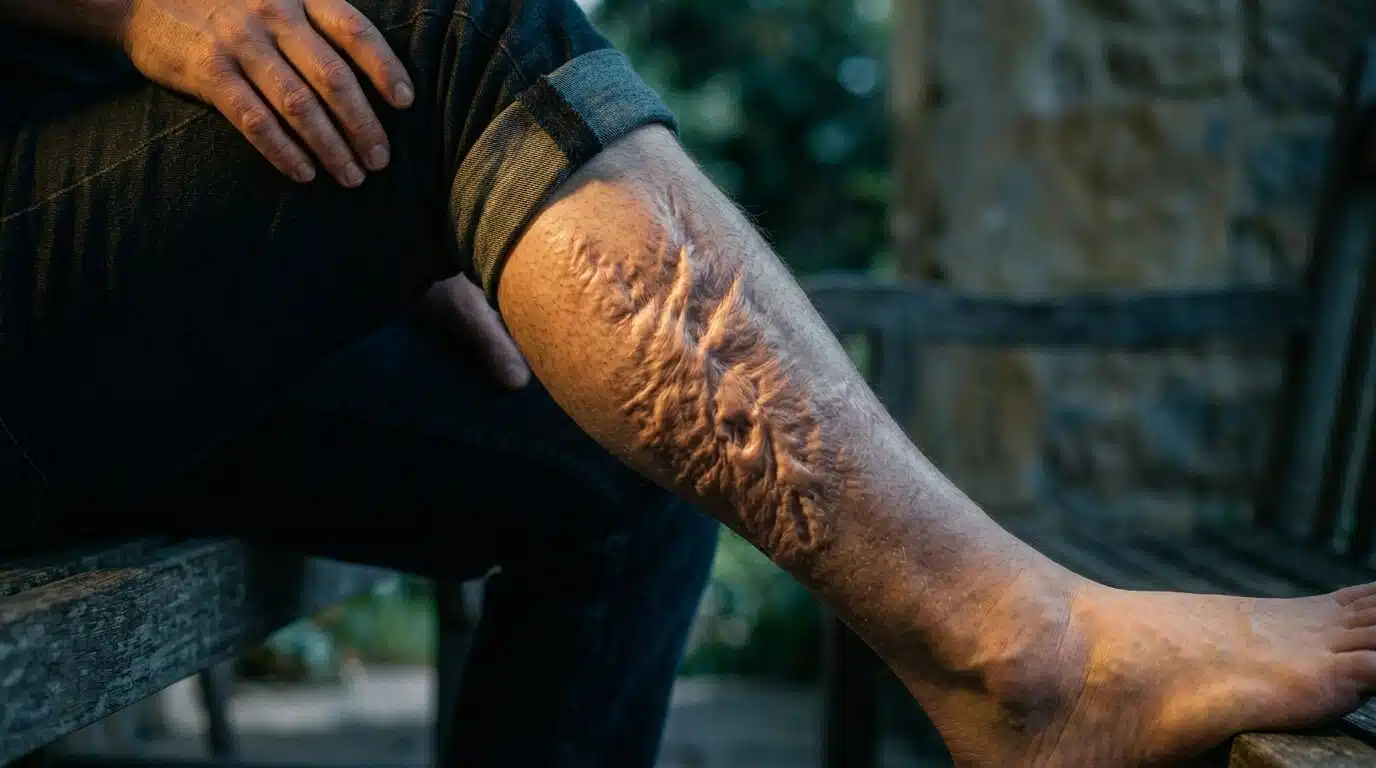
Multiple surgeries may be needed when the bite causes deep tissue loss, facial deformity, tendon injury, infection, or severe scarring.
First, a victim may need wound cleaning, stitches, antibiotics, or emergency surgery. Later, doctors may recommend plastic surgery, scar revision, tendon repair, nerve evaluation, laser treatment, or therapy.
A dog bite settlement Virginia should not be rushed before future care is clear. Insurance companies may want to settle early, before the scar matures or a surgeon recommends revision. That can leave the injured person paying later.
How Do Insurance Companies Evaluate Long-Term Dog Bite Injuries?
Liability, medical bills, photos of the injury, scarring, infection, surgeries performed, whether permanent disability is expected, loss of income, and future medical care to treat the injury are all considered by insurance companies in evaluating a claim.
They may try to discount your injuries by claiming the injury is minor and that subsequent care is cosmetic, or that the victim provoked the dog, or that the claim is overstated in emotional trauma, or that there will not be any future treatments, etc.
If you have a severe dog bite injuries compensation claim, you need proof to prove your case, including your medical records, photos of the injury over time, expert medical opinions, work history, therapy records, witness statements, animal control reports, insurance information, etc.
A dog bite case is not merely about the physical injury but about what the injured area has taken away from you in your life.
In serious dog bite cases, we will document the physical injury through photos of the wound and progress to a scar, expert opinions, evidence of any infections, therapy evidence, the effects the dog bite will have on your ability to work, sleep, your self-confidence, and the impact the dog bite will have on your overall quality of life.
What Evidence Helps Prove Permanent Harm?
You need to provide evidence of the bite itself, how it injured you, and the permanent impact it caused. Collecting evidence such as incident reports, animal control documents, pictures of both the dog and the incident scene, witness testimony, medical records, infection treatment records, surgery records, photos of your scar progression over time, records from therapy, work restrictions, and specialist reports can be beneficial.
Most personal injury claims for dog bites in Virginia must be filed within two years under Virginia Code § 8.01-243; however, evidence goes away much more quickly. Examples would include that photographs can disappear, witnesses can forget, dogs can be relocated, and records can become more difficult to obtain.
When Does a Virginia Dog Bite Case Become a Long-Term Injury Claim?
A dog’s bite is considered a long-lasting injury if requiring or having stitches (stitched up). An injury can become worse if the victim applies for a claim related to injuries caused by the following:
- nerve damage
- damage to tendons
- infection
- scarring to the face
- chronic pain
- surgery that will happen to fix the previous injuries
7 Most Common Long-Term Effects of Dog Bites
- pain or a sensation of numbness
- weakness in the area of the injury
- looking at yourself with visible scars and/or different from how you once were
- a fear of dogs
- difficulty sleeping
- a lack of confidence
- a loss of control over how you use your arms and hands or how your face works
Dog bite claims can take place at different locations in Virginia, including neighborhoods and apartments, parks, farm fields, and homes. An injury can change how you work, play, live, and move about in your daily routine. A claim for damages will reflect these issues if you have experienced any one or more of these components.
What Kind of Permanent Injuries Can a Dog Bite in Virginia Cause
Common permanent injuries a dog bite in Virginia can cause:
- permanent scars
- nerve damage
- tendon injury
- complications from infection
- disfigurement of the face
- chronic pain, and
- emotional trauma.
A bite’s healing may be on the surface, but there will be continued deep-seated damage, and this is why it is important to obtain follow-up medical care, photographs, specialist opinions, and to gather evidence quickly.
A reasonable claim for compensation would include consideration of the scar, pain involved with the scar, loss of functionality, and changes in life due to one or more of these items, as opposed to just a claim for the initial emergency care bill.
Talk with Tatum & Atkinson Law Firm about Permanent Dog Bite Injuries in Virginia
If you or your child has experienced permanent injury due to a dog bite in Virginia, the lawyers at Tatum & Atkinson can help you determine the facts, document the ongoing injury, and protect your claim.
If you see your scar worsening, your hand continues to have an abnormal feeling, or your child continues to be frightened after the initial dog bite, you do not have to handle everything on your own. Please contact us at (800) 529-0804 for a free consultation. No fees unless we win. Our experienced, supportive legal staff is ready to assist you.
FAQs: What Kind of Permanent Injuries a Dog Bite in Virginia Can Cause!
Can a dog bite damage nerves permanently, even if the wound looks small?
Yes. Nerve damage to the nerves underlying the skin can happen with small puncture wounds, therefore causing numbness, tingling, weakness, burning pain, and or long-term sensitivity of the site.
Do all dog bite scars improve over time?
No. Some wounds leave behind a thicker, darker, tighter, more stretched, or more obvious scar than others, particularly on the face, hands, arms, or joints.
Can dog bites affect hand strength or grip long-term?
Yes. Damage to the ligaments, nerves, muscles, and/or joints of an individual can result in decreased hand grip strength, fingertip movement/coordination, and less ability to perform routine activities using the hand.
Why are facial dog bites considered more serious legally and medically?
Facial bites can result in visible scarring, nerve damage, emotional trauma, the need for reconstructive surgery, and disfigurement for a long time.
Can a dog bite lead to chronic pain years after the incident?
Yes. Pain can persist for many years after sustaining the injury due to damaged nerves, scar tissue, infection complications, and joint injuries.
