Should I Avoid Social Media After An Accident In Virginia?
Key Takeaways:
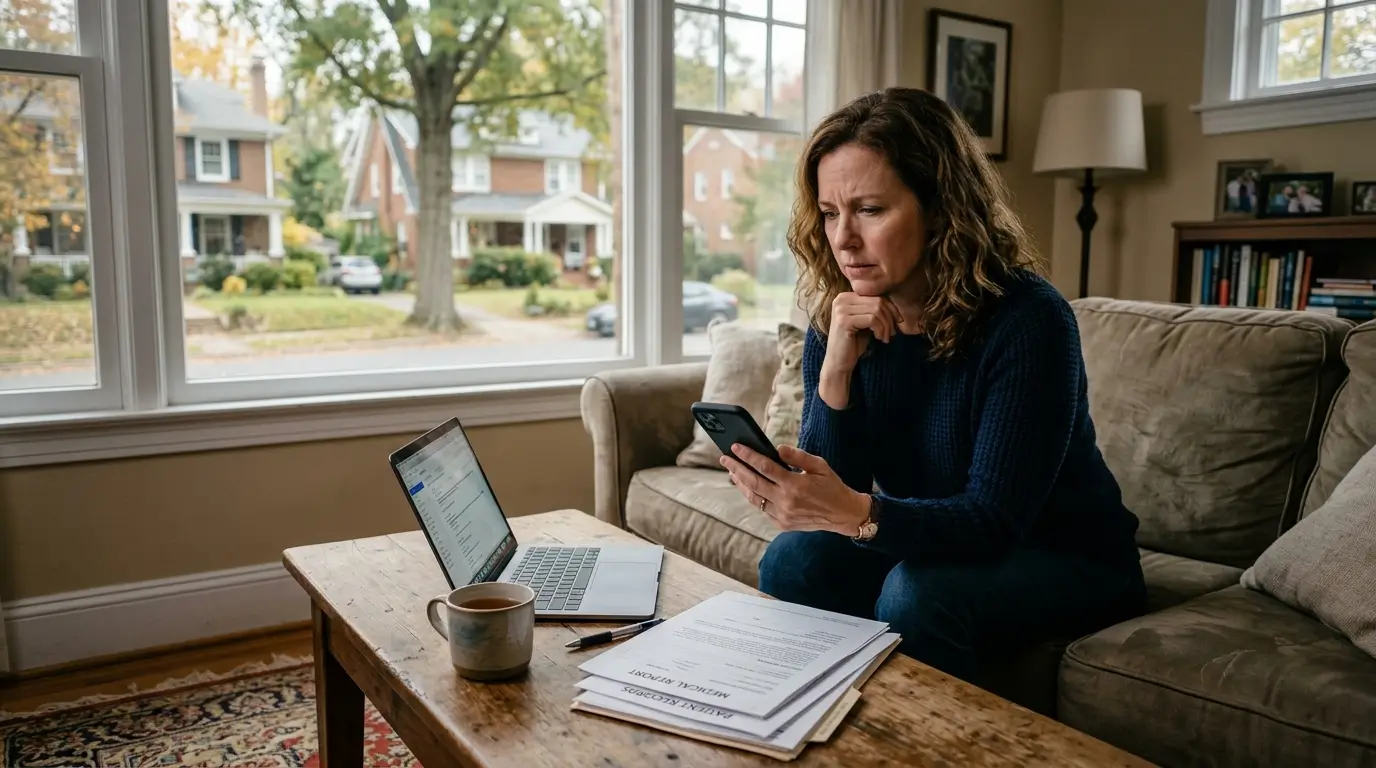
Nowadays, almost everyone has a personal account on a social media platform and may face this question after an accident in Virginia. “Should I Avoid Social Media After An Accident In Virginia”
- Social media evidence on the sites of those who file accident lawsuit claims is investigated by insurance companies.
- Deleting posts once a claim starts can be considered destruction of evidence.
- The posts of others about you can hurt your case as much as the posts you put up.
- You need not remove all your social media accounts; what you must do is consider them as being part of your personal injury claim insofar as the other side considers them as such.
- This is particularly true in Virginia, where a case is based on your credibility and where even 1% fault is significant.
Just one social media post could completely undo all the hard work you’ve done building up your personal injury case over the last few months, and for most of us, it’s something we only realize after the fact. I am Robert Tatum, an attorney with Tatum & Atkinson Law Firm.
For over 13 years, our veteran-founded law firm has brought together over 65 years of experience handling car accident claims in Virginia. As your Virginia personal injury lawyer, we understand how insurance companies and defense attorneys use social media to wreck your case.
Reasons Why Your Posts Become Evidence
Regarding social media after an accident in Virginia, it is safe to assume that everyone uses social media these days; in fact, the Pew Research Center estimates that most Americans use social media, with big percentages active on YouTube and Facebook.
These are easy places to get information that would help the insurer to pay you as little as possible. Your public posts become social media evidence, and the content of your timeline gets compared with everything you claim about your injuries.
What the Opposing Side is Looking for in Your Posts

The insurance adjuster or defense attorney is putting together a chronology, aligning the dates of your postings with the injuries you are claiming, and finding a discrepancy. The posting that calls even a little bit into question your claims gives the opposing side something to start with.
The Posts That Are Most Harmful
The problem is usually not a glaring error. It is normal to take postings in the most ungenerous light possible:
- Photos or videos that show you active, hiking, attending a wedding, or working in your garden suggest your injuries are not all that bad.
- Check-ins that dispute your being homebound or unable to travel.
- Descriptions of how the accident took place are construed as an admission of fault.
- Positive postings such as “Feeling great!” negate the personal injury claim for pain and suffering.
- Posts about a recent purchase or trip, disputing the extent of your financial damages.
How Social Media Undermines Damages and Credibility
A car accident claim turns largely upon non-photographable matters such as pain, restricted ability to move about, activities that you have had to give up, and proof through a consistently reliable story supported by your medical records.
A single happy posting is all it takes to provide the defense attorney with an attack upon your story. And once a jury or insurance adjuster has questioned your credibility, they have questioned everything you’ve said. In Virginia, credibility is the linchpin of the entire claim.
Privacy Settings, Deletion, Posts by Others
Three ways folks mess this up:
- Privacy settings are helpful, but don’t keep anything completely private; a follower can always capture a screenshot, and a court can compel production of private postings if the social media evidence is relevant to the litigation.
- After filing an injury case, deletion of posts or deactivation of a social media account looks like evidence destruction; leave posts in place; consult with your attorney first.
- Even postings by friends and relatives, or tagging posts that you make, can destroy your accident lawsuit; don’t be tagged at all if possible.
Injured in a Virginia Accident? Talk With Tatum & Atkinson Law Firm Before Posting Anything Online
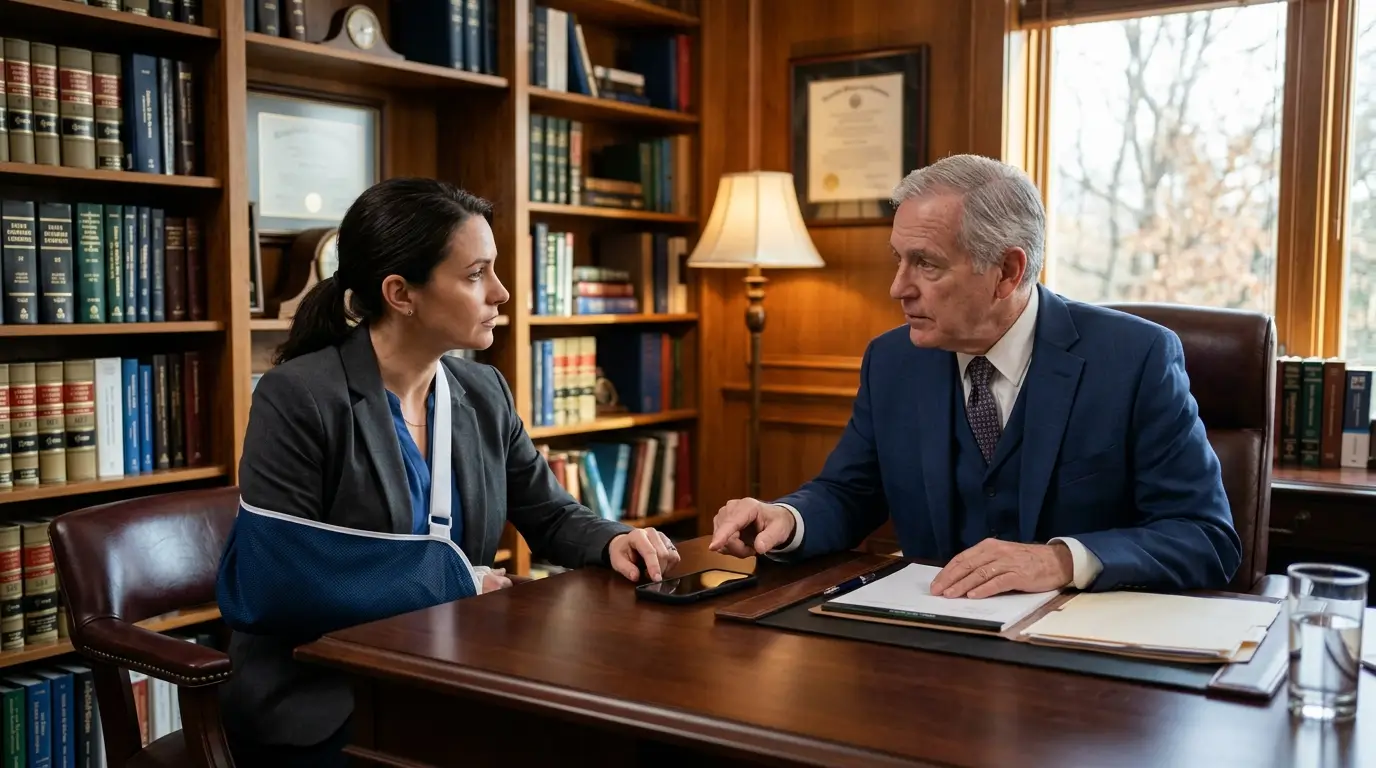
If you’ve been involved in a car accident and are uncertain about what you should and shouldn’t be posting on social media, a quick phone call can help avoid a casual post destroying any car accident claim you might have.
Tatum & Atkinson Law Firm, your trusted Virginia personal injury lawyer and Virginia accident attorney team, works on behalf of the injured in Virginia from their offices in Cedar Bluff, representing the residents of Southwest Virginia.
The Heavy Hitters understand how insurers and defense attorneys use social media evidence and will advise on exactly how to handle yourself online as your case develops.
Call (800) 529-0804 for a free consultation. We work on a contingency basis, so you only pay when we win.
Frequently Asked Questions!
Do I have to quit social media completely while my claim is pending?
No, and you don’t have to remove any content either. Instead, it would be better if you went private instead of dark. Remove your accounts from public view and cease sharing content related to the accident, your injury, your actions, and your personal injury claim.
Can the defense get my private messages or direct messages?
Possibly. Private messages and postings are not necessarily going to stay private, and if they are related to your injuries, there is nothing stopping a court from ordering their production during accident lawsuit litigation. Assume that everything you write on the platform can be accessed by the other party, and never talk about your case except through a Virginia accident attorney.
Can something my friend posts really affect my case?
Indeed. A thoughtful friend who tags you in a photo from a BBQ party, leaves a comment saying, “So happy to see that you’re feeling better,” or posts a video of your weekend activity gives the defense attorney exactly what it’s looking for, often without even your knowledge. So ask close friends and relatives not to share anything about you when your car accident claim is ongoing. This way, you will minimize many risks.
Is there anything that is safe to post?
Any post that is not connected to your health situation and the accident is less risky. Nevertheless, the less you post during the process of claiming, the better. Do not share any information regarding the car accident itself, your condition, daily activities, trips, purchases, or your thoughts about the claim. If you think that it may become social media evidence against you later, just don’t do it.
How long do I need to be careful on social media?
Until your accident lawsuit concludes, either by settlement or by decision, and not simply until you feel better. In Virginia, you have a general statute of limitations of two years to bring your lawsuit (Va. Code § 8.01-243), which will take more than two years, all along with them scrutinizing your medical bills. Discipline during the duration of your lawsuit is necessary to maximize your compensation. Contact a Virginia personal injury lawyer today.
