What Happens When I Am In A Wreck With A Lyft Driver In North Carolina?
Key Highlights:
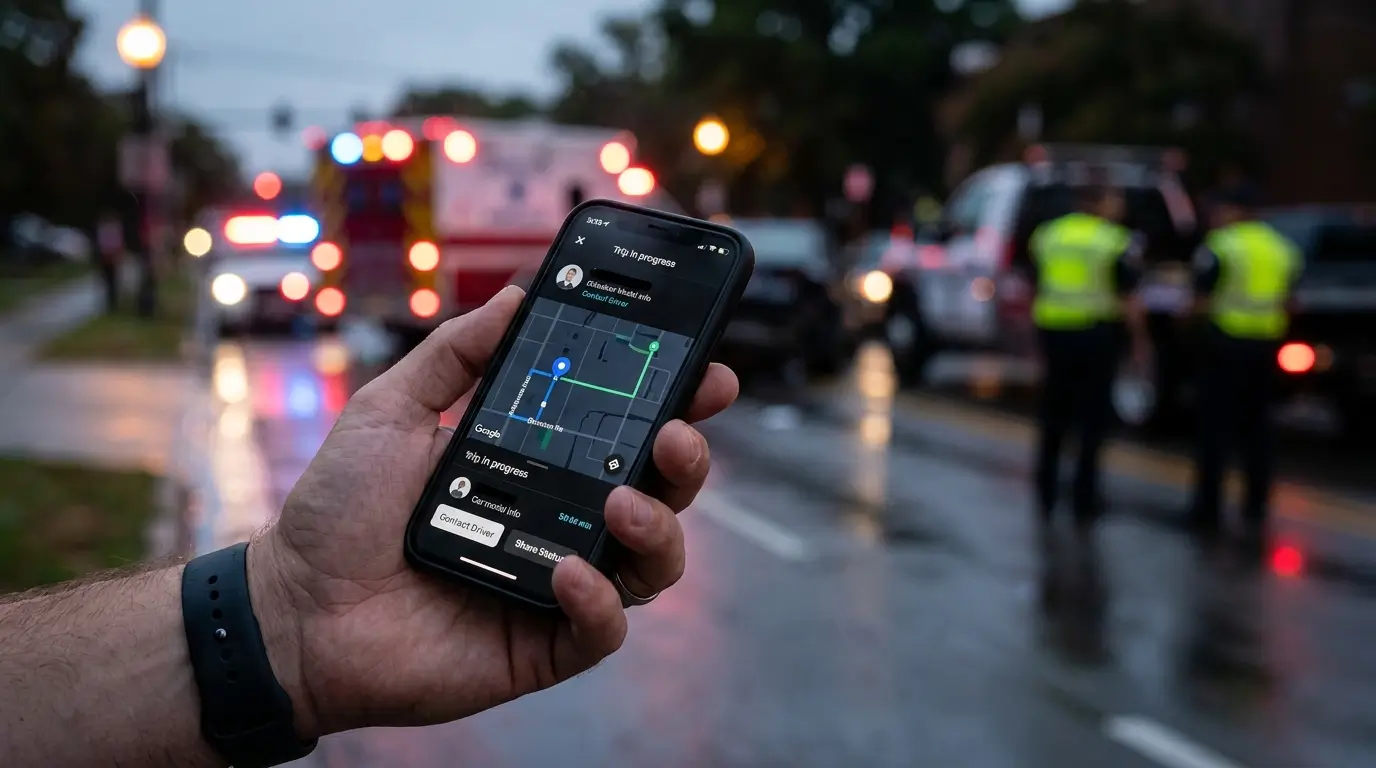
- What happens when I am in a wreck with a Lyft driver in North Carolina will be determined by the driver’s status (app on or off) at the time of the collision.
- There are three different phases of insurance: the driver’s personal insurance (app is turned off when an accident occurs), a contingent policy when the app is on and awaiting a passenger match, and a commercial policy (the passenger accepted a ride, which ends at the passenger’s drop-off location) with a maximum liability limit of $1,000,000.
- Rideshare accidents can also be complicated because of the use of app data, GPS tracking, and electronic trip logs for the accident investigation to establish fault and determine insurance coverage timelines.
- Due to North Carolina’s pure contributory negligence law, if you are found 1% at fault in the accident, you cannot recover compensation for your injuries.
In any vehicle collision, especially involving a ride-share vehicle can be an overwhelming task in and of itself. In North Carolina, if you are injured as a result of an accident with a Lyft driver, there is often uncertainty as to what happens when I am in a wreck with a Lyft driver in North Carolina?
At the Tatum & Atkinson Law Firm, our attorneys are passionate about helping you through this complicated process by deciphering both corporate insurance policies and state law. Each of our attorneys has a comprehensive knowledge of how the courts operate within North Carolina as they relate to Lyft driver accident compensation.
If you were injured as a result of being struck by a Lyft driver, call us at (800) 529-0804 for a free consultation today! We operate on a contingency fee basis; therefore, you will not owe any attorney’s fees unless we are successful with your case.
What Happens When I Am in a Wreck with a Lyft Driver in North Carolina?
In the event of a car accident involving Lyft driver, the claims process differs from that which would occur with a typical fender bender, as the vehicle used was being driven by an independent contractor and not an employee. This means Lyft is not directly vicariously liable for the negligent acts or omissions of its driver.
Instead, the claim for a Lyft accident North Carolina is based on the app status of the driver at the time of the accident, and, because of this, determining liability involves the use of a state-regulated, tiered insurance system.
The Three Coverage Periods and How They Affect Your Claim
Understanding Lyft insurance coverage North Carolina is based on a three-tier insurance program, with all three tiers based on a driver’s activity through the use of an application on a device. The key to understanding which tier applies is determining which coverage period applied at the time of the accident.
- Period 1: The App is Closed: The driver is driving their vehicle like any other standard motorist without being covered by Lyft’s corporate policies; the claim will have to go to the driver’s personal auto liability insurance company.
- Period 2: App is Open, Awaiting a Match: The driver is considered to be actively using the Lyft app, and Lyft will provide contingent liability insurance coverage to the driver in the event of an accident while they await a match from the Lyft app, which provides up to $50,000 per person and $100,000 per accident for bodily injury, plus $25,000 for property damage. This coverage generally applies only if the driver’s personal insurer denies liability coverage.
- Period 3: Ride Accepted to Passenger Drop-Off: The driver has the benefit of Lyft’s $1,000,000.00 commercial liability and uninsured and underinsured motorist insurance coverage.
Key Differences in Rideshare vs. Traditional Auto Accidents

Rideshare injury claim North Carolina for a Lyft accident is unique from a normal vehicular accident. A typical car collision only has one other motorist and an insurance company involved, whereas an Uber and Lyft accident claims NC involves multiple overlapping insurance policies.
Challenges in Determining the Responsible Insurer
Determining the proper insurance company responsible for covering damages is a major obstacle that victims face during the immediate aftermath of a vehicular accident. Due to the fact that once there is a crash, the parties involved (as well as their insurance companies) begin to accuse each other of being at fault, it makes it much more difficult for victims to determine who will be paying for their damages.
This is especially true when trying to determine the proper insurance company that may be liable; Lyft’s insurance carrier will typically try to shift the liability to the driver’s personal carrier, while the driver’s personal carrier would almost always deny an accident claim that resulted from the use of their vehicle in connection with ridesharing and did not have a business endorsement.
Common Multi-Insurance Disputes
Because of this overlap, disputes or arguments among multiple insurers are extremely common. It is not uncommon for a claimant to find himself between multiple parties/insurers battling over who will pay, such as the insurance company providing coverage for Lyft, the personal or business insurer that the driver is using, and the claimant’s own uninsured motorist insurance. Our experienced attorneys are familiar with how to cut through bureaucratic procedures to establish a chain of liability on behalf of our clients.
Understanding Your Rights: Passenger, Pedestrian, and Driver Scenarios
Where you fit into the Lyft accident settlement affects how you can attempt to get money for your injuries, so knowing how North Carolina legally classifies accident victims is extremely important. In North Carolina, every accident victim is protected based on his or her role in the accident:
Passenger Injured in Lyft Accident
Typically, if you were a passenger injured in Lyft accident, you would be in the best possible legal position because you were a passive passenger in the car. Passengers are generally not considered responsible for causing the accident; you would be entirely protected by the $1 million commercial insurance policy from Lyft, regardless of whether your driver or another driver caused the accident.
Pedestrians, Cyclists, and Other Drivers
If you are a pedestrian, bicyclist, or someone in an entirely separate vehicle who was hit by a rideshare driver, your ability to collect from the Lyft driver liability accident policy will be 100% dependent on proving that the rideshare driver was negligent and also depend on whether or not the rideshare driver was “active” at the time of the accident or was waiting for a match.
The Critical Role of App Data and Electronic Evidence
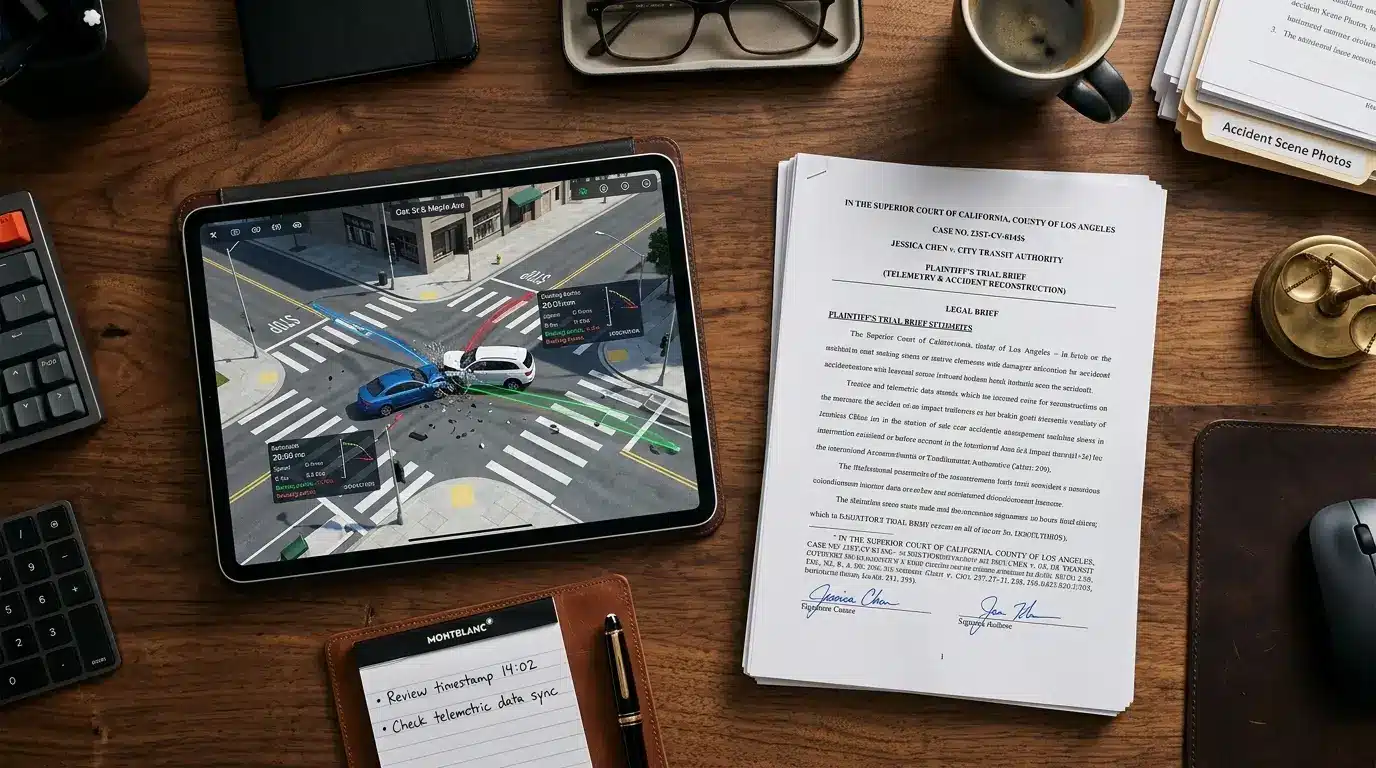
In most car accidents, there will usually be police reports, physical damage to a vehicle, and testimony from eyewitnesses. However, in a case involving a rideshare accident lawsuit NC, there is digital data that can play a significant role in either proving or disproving your claim.
How Rideshare App Data Becomes Crucial Evidence
With rideshare companies, drivers continuously use the app while working from the moment they start working until they stop. Therefore, the records of any rideshare accident are going to contain not only the exact date of the accident but also the precise time frame during which the accident occurred, which can eliminate any confusion regarding how long the driver had been working prior to the accident.
Leveraging GPS Records and Trip Logs
Your attorney can write legal spoliation notices to preserve the following:
- GPS Tracking Records: To show how fast the vehicle was traveling, when the brakes were applied, and where it was located within seconds.
- Digital Trip Logs: To show when the app was opened, when a ride was accepted, and when the ride was ended to the exact millisecond.
- Cell Phone Distraction Data: To show whether or not the driver was using their phone at the time of impact by verifying if the driver was using the screen or texting at the time of impact.
North Carolina’s Contributory Negligence Trap
In order to be compensated for an injury in North Carolina, individuals must follow the strict legal doctrine of pure contributory negligence.
If even 1% at fault for causing an accident, that party may not receive any compensation from the negligent parties at all, it is imperative to have a lawyer assist you in this process.
Massive technology firms utilize this rule to their advantage through insurance defense attorneys. These lawyers sift through all of your statements, as well as the particulars surrounding the accident scene, looking for reasons to allocate a small fraction of responsibility to you for the accident. Our skilled professional legal team is aware of and will build a solid defense that protects you from these unreasonable blame-shifting tactics, allowing you the right of full recovery.
Protect Your Rights with Tatum & Atkinson Law Firm

If you’re struggling with the painful consequences of a rideshare accident, it can be overwhelming trying to take down a multi-billion-dollar corporation by yourself. After learning about what happens when I am in a wreck with a Lyft driver in North Carolina reach out to Tatum & Atkinson Law Firm to ensure your recovery, both physically and financially.
We’ll assess your case, protect critical electronic evidence before it disappears, and guide you through North Carolina’s strict contributory negligence laws. To speak to one of our attorneys for free consultation, please contact us today; we only receive payment if you receive compensation from your claim.
Call the experienced attorneys of the Tatum & Atkinson Law Firm now at (800) 529-0804.
Frequently Asked Questions!
Does it important whether the Lyft driver was waiting for a ride request or actively transporting a passenger?
Yes. The driver has lower limits on their liability while waiting for requests from passengers. If the driver begins traveling to a passenger requesting a ride or transporting the passenger, they then have $1,000,000 of coverage with Lyft’s commercial policy.
Can I file a claim if I was a pedestrian hit by a Lyft driver?
Yes. People hit by a Lyft driver can file a North Carolina Lyft accident claim. Your ability to collect from Lyft’s corporate insurance policy for $1 million or from the driver’s own insurance will depend on whether the driver was on or off the app at the time of the collision.
What if both the Lyft driver and another motorist share fault for the accident?
If you had any part in the accident, being injured from your own contributions to this accident may disqualify you from recovering anything. This is not the case if both the Lyft driver and the other motorist were at fault. You can pursue claims against both available insurance policies.
Can app data be used as evidence in a Lyft accident claim?
Digital evidence (GPS records, electronic trip logs, and app status timestamps) can help assign liability for drivers and confirm vehicle speed and the period of time (applicable due to insurance) used for a particular incident .
What happens if Lyft’s insurance company denies responsibility?
If Lyft’s insurers deny their liability, a formal claim could be brought by your lawyer through a lawsuit against them, under which we could obtain subpoenas for internal application files and contest their denial in an NC courtroom to achieve fair compensation.
