What If I Suffer Paralysis After A Car Accident In North Carolina?
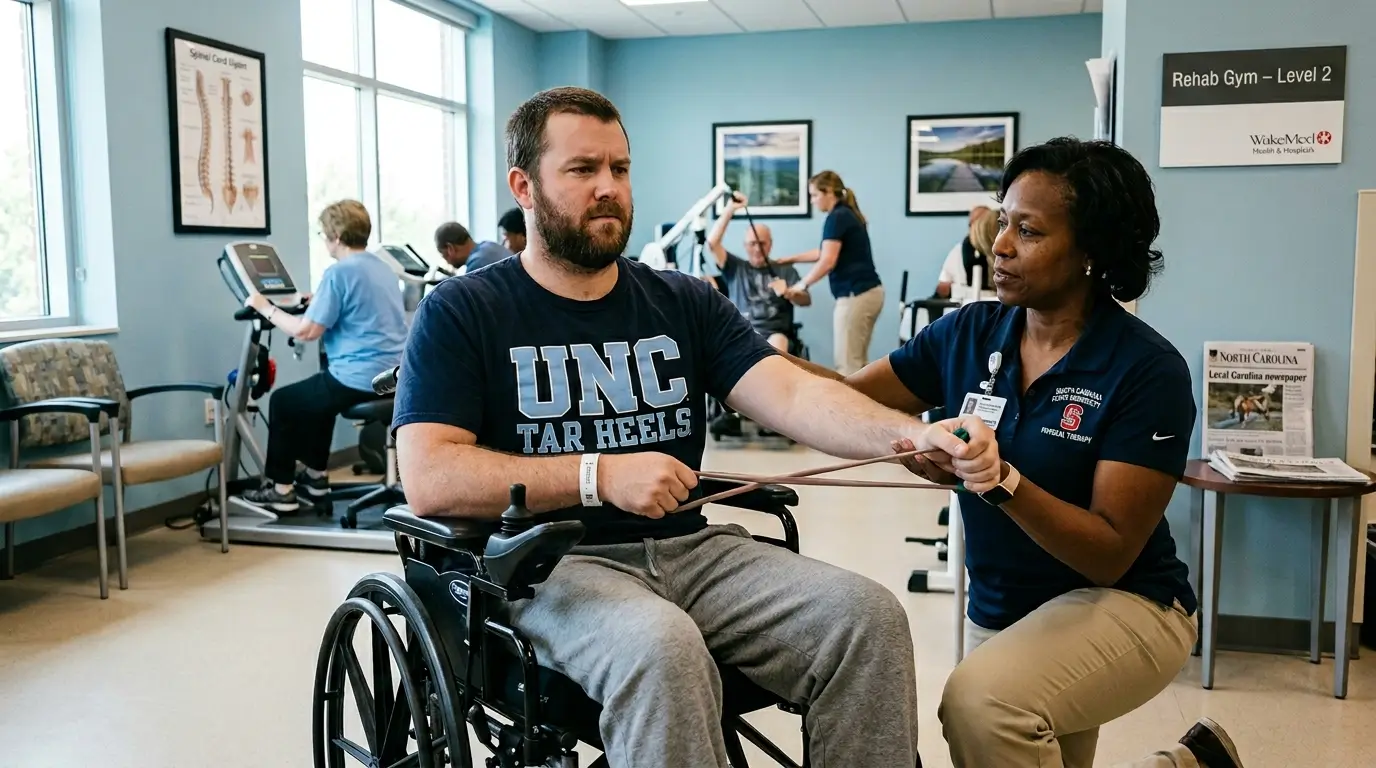
Key Highlights:
What If I Suffer Paralysis After A Car Accident In North Carolina
- Paralysis due to an automobile accident in North Carolina presents one of the most urgent legal issues for an accident victim and his or her family. The answer to this question determines whether an individual will receive total lifetime compensation or, conversely, whether they will receive a significantly lower amount than they should receive for their injury.
- Vehicle collisions are the leading causes of spinal cord injury in the United States, according to the National Spinal Cord Injury Statistical Center (NSCISC), and comprise about 38.6% of new spinal cord injury cases annually, with approximately 18,000 new traumatic spinal cord injury lawyer NC identified every year due to automobile accidents.
- Settlements for paralysis in North Carolina for life-altering injuries can be from $1,000,000 to $10,000,000 or more, depending on the degree of the injury, the extent of the lost earnings, and the lifetime medical expenses associated with the injury.
- North Carolina has a very strict contributory negligence law that prohibits accident victims from recovering money if they are determined to be at fault in any measurable manner, even by 1%. Having the appropriate legal representation from the outset of the case is essential.
- At Tatum & Atkinson Law Firm, we have provided over $100,000,000 in recovery to our clients for their injuries.
An auto accident occurs in mere moments. If you or a loved one has been paralyzed due to a car accident in North Carolina, you are facing circumstances that are impossible to be prepared for: permanent disability, an enormous financial burden from medical bills, lost wages, and a complicated legal system that requires you to take immediate, strategic actions to protect your legal rights.
I am Robert Tatum, and I am an attorney at Tatum Atkinson. Since 2005, as a veteran-owned law firm, our firm has over 65 years of combined experience with all paralysis car accident claim NC. We will fight for you.
What Is Paralysis and How Does a Car Accident Cause It
Paralysis occurs when you lose muscle control because of damage to your nervous system; it’s most commonly from damage to your spinal cord. In car accidents, an injury to the spinal cord disrupts the connection between your brain and your body. This produces either total or partial paralysis of the body from the point of injury below, and based on recent data from NSCISC, car crashes are the number one cause of paralysis in the USA, with over 305,000 people currently suffering from paralytic conditions.
High-energy impacts, rollovers, and other traumatic incidents from car accidents result in many people having long-term and permanent injuries to their spinal cord and being unable to walk again for the remainder of their lives.
The 4 Stages and Types of Paralysis
Types of paralysis can vary based on the type and severity, and thus affect the medical needs associated with them and the potential for North Carolina spinal injury compensation.
Monoplegia affects one limb, hemiplegia affects one side of the body, paraplegia affects only the lower body, and quadriplegia affects all four limbs, with quadriplegia accident lawyer NC and paraplegia injury attorney North Carolina handling the highest-severity cases.
Paralysis affects people in two ways: complete or incomplete. Severe, complete paralysis will often be due to an injury at the cervical level and will require extensive medical care; therefore, complete injuries will incur higher total medical costs and will have greater legal recourse.
What Happens Before and After Paralysis From a Car Accident
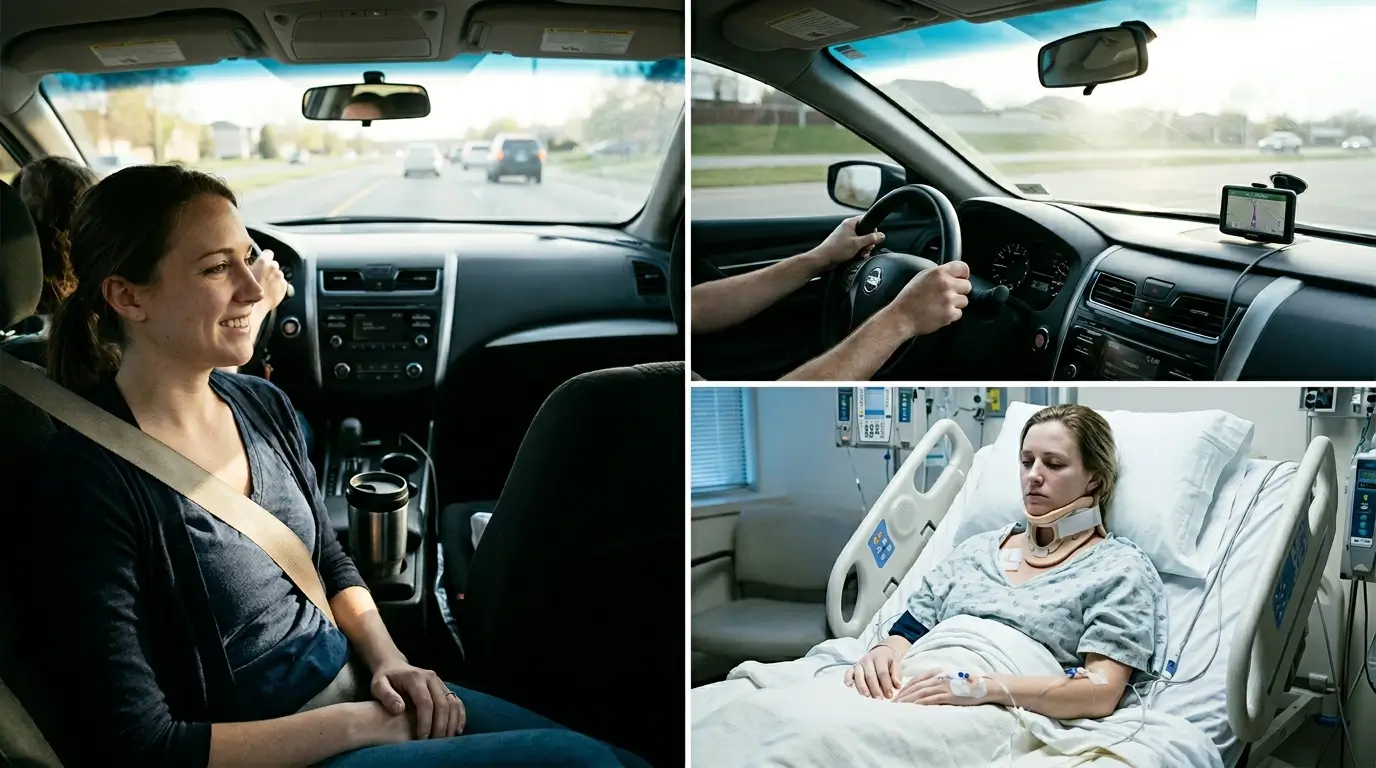
Injuries to the spinal cord may be accompanied by severe neck or back pain, as well as various motor and sensory disturbances (e.g., numbness and weakness) and respiratory problems; loss of movement is also common. It’s important not to move the victim unless necessary, as significant movement prior to proper emergency stabilization may result in further injury.
Once the patient has stabilized, he/she will typically require an average of 19 days in acute hospital care and 37 days in rehabilitation (NSCISC). Rehabilitation focuses on maximizing the remaining function of the patient’s body, preventing the occurrence of secondary complications (e.g., pressure injuries and respiratory infections), and preparing the individual for living with a spinal cord injury.
Is paralysis a permanent disability?
In other words, with complete spinal cord injuries—yes. Currently, medical science does not have a way to repair a severed spinal cord completely. As for what happens to the spinal cord after it has been partially damaged (incomplete), there can still be some level of recovery if rehabilitation starts within 6-12 months post-injury because there is neuroplasticity occurring during this timeframe.
Nevertheless, if a patient has suffered from a serious spinal cord injury (complete or incomplete), the medical, financial, and personal impact associated with that type of injury will always be there.
Can You Recover From Paralysis After a Car Accident
A complete spinal cord injury cannot be completely reversible. However, if the injury is incomplete, the patient can expect some improvement within the first few months post-injury with appropriate early treatment & rehabilitation. In addition to ongoing investigation regarding new treatment modalities at UNC Health, full recovery from a complete spinal injury remains rare.
The cost of a paralysis victim may be in the millions of dollars, including ongoing medical care, lost wages, and lifestyle modifications. In North Carolina, it is critical to establish a strong legal claim regarding future needs related to North Carolina paralysis injury lawyers through early legal consultation.
How Much Compensation for Paralysis After a Car Accident in North Carolina
There is no limit placed on compensatory damages for personal injury cases in North Carolina. Therefore, if paralysis is fully documented and the amount of economic and non-economic damages is accurately presented, there will be no limit to the recovery of damages for an individual with paralysis. North Carolina personal injury cases demonstrate that paralysis and permanent disability after car accident NC cases typically settle in the range of $1,000,000 to $10,000,000 or more.
Some examples of actual North Carolina personal injury settlements include the following:
- $3 million was awarded to an elderly pedestrian who sustained significant injuries that required long-term placement in an assisted living facility.
- $2.5 million was awarded to a worker for losing a limb due to an accident at work, based on known data concerning North Carolina personal injury case results.
What Your Claim Can Include
- Medical expenses include emergency care, surgeries, hospitalization, rehabilitation, medications, therapy visits, and necessary long-term medical equipment costs.
- Future medical expenses after accident NC often dominate claims, requiring certified life care planners to calculate lifetime treatment expenses using expert medical projections.
- Lost wages and reduced earning capacity lawyer North Carolina include missed income and future earnings losses, often reaching over one million dollars.
- Pain and suffering damages compensate for ongoing physical pain, emotional trauma, and the life-altering impact of paralysis without statutory limits.
- Loss of enjoyment of life covers the inability to participate in activities, relationships, and experiences permanently affected by the injury.
- Lifelong medical care compensation NC combines all damages, forming the foundation of a strong legal claim built from day one.
North Carolina’s Contributory Negligence Rule
North Carolina is known for having some of the most stringent fault laws across the United States; as per the contributory negligence rule, anyone who is found even slightly culpable of causing his or her injuries will not receive any compensation from a negligent party. Insurance companies make full use of this negligence defense and will use every trick imaginable in defending against claims made under the contributory negligence laws.
From the moment we are contacted regarding a case, our NC catastrophic injury lawyer north carolina commence taking proactive steps to protect from the defense of contributory negligence by preserving all evidence from the scene of the accident, obtaining police records, retaining accident reconstruction experts, and establishing a solid liability case before critical pieces of evidence vanish.
You cannot navigate around this contributory negligence law without the aid of an attorney who has experience with this complicated area of law. This is by far the most significant reason to contact an NC paralysis claim levels lawyer as soon as possible following your or your family member’s medical stabilization.
What to Do After Suffering a Spinal Cord Injury in a North Carolina Car Accident
After a paralysis injury, the steps taken afterward are vital. First thing you should do is get immediate medical attention, after which you should carefully follow all prescribed treatment regimens. Never contact your insurance company without first obtaining legal representation. All evidence relating to your accident must be preserved, including all medical records and any other details about the incident. In addition, because evidence can disappear quickly, you should contact a spinal cord injury attorney North Carolina as soon as possible; if you wait too long, your claim may be weakened, thereby also reducing the compensation you will receive for your injury.
The statute of limitations for personal injury claims in North Carolina, as established by N.C. Gen. Stat. 1-52, is three years from the date of the accident; if this deadline is not met, you will lose all rights to any type of compensation; this rule applies no matter how severely injured you may be. Do not delay.
Case Study: North Carolina Catastrophic Accident Lawsuit
A 34-year-old man, in a North Carolina high-speed car accident with a tractor/trailer, suffered a traumatic spinal cord injury. Upon examination, emergency services found that the patient had an extensive spinal cord injury and transported him to a Level I trauma hospital for urgent stabilization. Paraplegic due to a thoracic spinal cord injury, he had permanent paralysis in his legs.
Over the next several years, the individual endured multiple hospitalizations, rehabilitation, and many years of long-term care. The estimated cost for the life care plan was more than $3 million, which included costs for mobility aids, home modifications, and future medical needs. The case also included loss of earning capacity, and the compensation was sought for the lifetime of medical and non-economic losses incurred.
Result
After proving the defendant was fully liable for the plaintiff’s catastrophic spinal cord injury (waiting until they could prove the defendant was at fault) and establishing damages associated with the catastrophic spinal cord injury in North Carolina, the plaintiff secured a multi-million-dollar paralysis settlement North Carolina that provided funding to cover future healthcare, loss of earnings, and rehabilitation expenses.
How Insurance Companies Handle Paralysis Claims in North Carolina
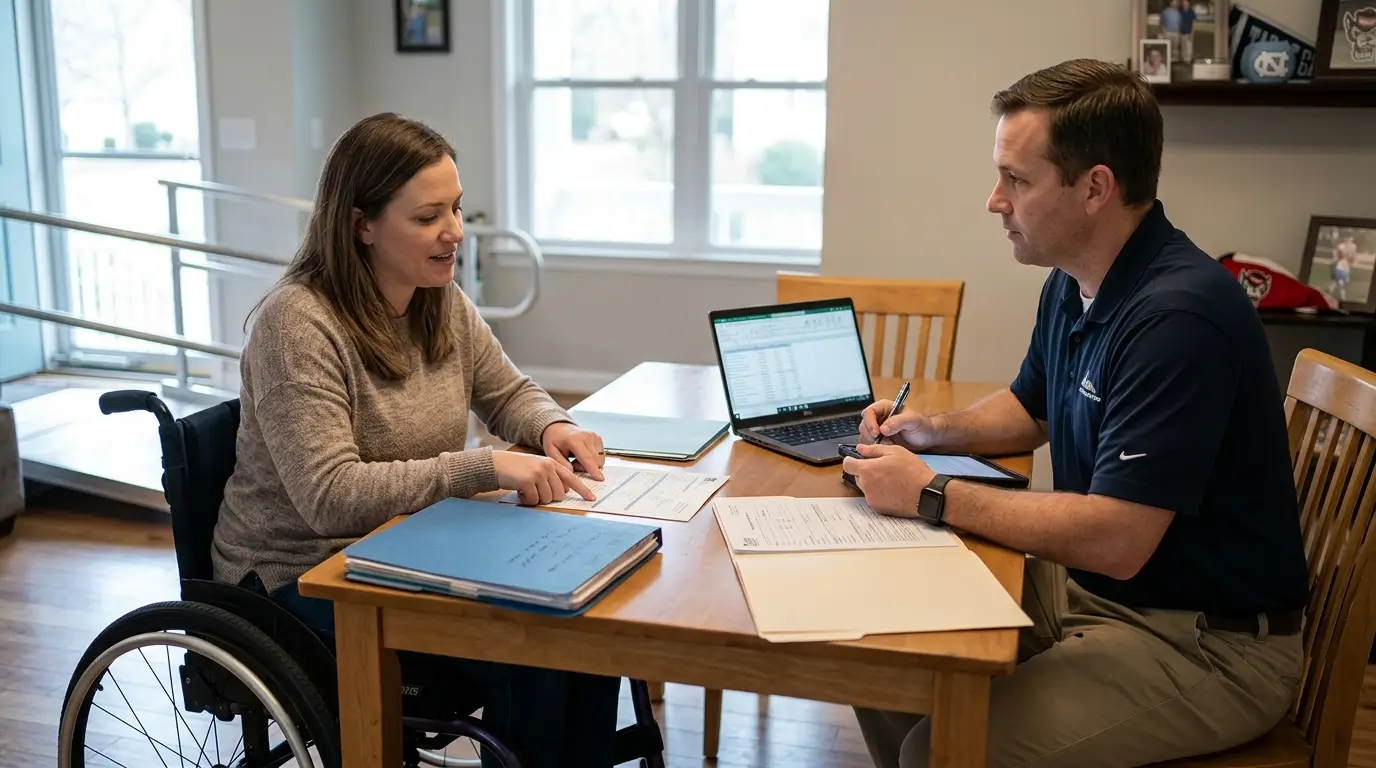
In order to reduce their exposure to paralysis cases, insurance companies are prepared to take action quickly. They use several tactics, like offering low or unfair settlement amounts, disputing necessary care expenses, providing evidence of contributory negligence, or trying to obtain recorded statements from claimants or witnesses to undermine the claimant’s case for an injury.
An experienced attorney can counter these strategies by providing supporting medical documentation, obtaining expert testimony, and utilizing litigation skills to obtain fair compensation for the injured person’s long-term needs and losses.
Let Tatum & Atkinson Law Firm help you. Call (800) 529-0804 for a free consultation. No win, no fee.
FAQs: What If I Suffer Paralysis After A Car Accident In North Carolina?
Can I sue for permanent paralysis caused by a car accident in North Carolina?
You can file a claim against an at-fault driver who caused your permanent paralysis. Under North Carolina’s strict contributory negligence law, you must provide proof beyond a reasonable doubt that another driver is 100% responsible for causing your accident and subsequent injuries with the help of a severe car accident injury lawyer North Carolina.
Who pays for lifelong medical care after a paralysis injury in North Carolina?
The negligent party’s insurance covers the costs associated with this kind of injury until that is exhausted; in the event that it is exhausted, your UIM insurance or an additional liable party, such as one who manufactured or employed you, can compensate you for any other costs associated with your lengthy care.
What should I do after suffering a spinal cord injury in a North Carolina car accident?
Get medical attention immediately, continue your treatment, do not sign any statements for insurance companies, gather any evidence, and get an attorney as soon as possible. You will want to protect your rights and defend against contributory negligence against you.
How long do I have to file a paralysis injury lawsuit after a car accident in North Carolina?
Under North Carolina law, you have three years to file a lawsuit for paralysis caused by a car accident. Missing this deadline means you cannot recover any compensation, you should take action as soon as possible in order to avoid losing evidence or weakening your case.
What if the insurance company offers a low settlement for my paralysis injury in North Carolina?
If your paralysis injury has resulted in a low settlement from the insurance company, reject it and consult a lawyer. Settling early typically undervalues your claim. An attorney should help you arrive at the total damages (both present and future) and negotiate or litigate to obtain fair compensation from the insurance company.
