What Happens If My Child Is Sexually Hurt By Someone In Our Church In NC?

Key Highlights
What Happens If My Child Is Sexually Hurt By Someone In Our Church In NC
- Reporting Obligations: Any person 18 and over in the State of North Carolina must report suspected abuse or neglect to the Department of Social Services, as mandated by Article 7b, Section 301 of the North Carolina General Statutes.
- Civil Suit Timelines: The North Carolina Child Victims Act permits civil lawsuits to be filed by child victims until they attain the age of 28 years.
- Employer Responsibility: Churches Can Be Sued If They Do Not Conduct Background Checks or Address Prior Complaints Against an Employee.
- Removal of Exemptions: The Safe Child Act Removes Exemptions to Reporting Requirements for Clergy Members.
- Support Programs: Local Child Advocacy Centers Provide Specialized Therapy, Medical Care, and Legal Assistance to Child Victims of Trauma.
What Does a Church Sexual Abuse Lawyer Do in North Carolina?
When a child has been sexually abused in a church in North Carolina, families experience confusion and emotional distress. A church sexual abuse lawyer in North Carolina can help protect your rights, preserve evidence, and take action as allowed by the North Carolina churches’ abuse laws.
Many of these cases involve negligence, report failures, and long-term trauma; therefore, families may need to take urgent legal action in order to obtain justice and compensation for the injury to their child. My name is Robert Tatum, and I am an attorney with Tatum Atkinson, assisting families throughout North Carolina in obtaining justice in their church abuse cases.
Understanding Your Rights Under North Carolina Church Abuse Laws
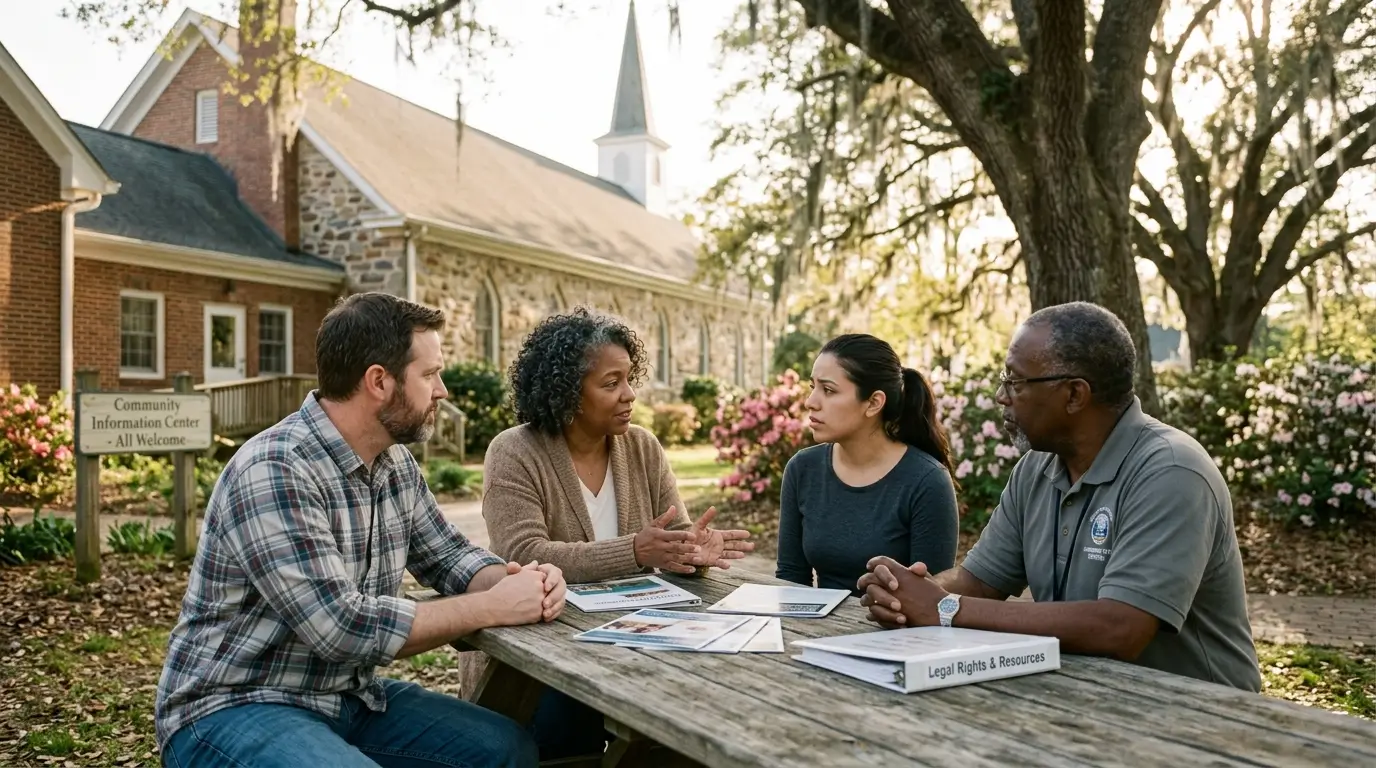
Every child deserves to be safe in a house of worship. However, when a religious leader breaks that trust, the law gives survivors a direct way to seek justice. In North Carolina, there are new laws designed to protect and support survivors of abuse by their church leaders.
The SAFE Child Act, passed in 2019, also opened a new door for survivors to seek the truth through the court system. This law is designed to end the silence surrounding predators in religion. We see the emotional impact of these cases on family members within the family unit. Justice begins with ending that silence.
Who Must Report Abuse in North Carolina?
Reporting church abuse in North Carolina should be the responsibility of everyone — including children. In North Carolina, any adult who sees or hears about abuse is legally required to report it. This means that all adults have a duty to act if they suspect that a child has been harmed.
No one is an exception! You should not try to determine whether what you saw was an actual abuse; all you need to do is suspect abuse exists and report the suspected abuse to the appropriate authorities. By reporting abuse to the authorities, you are helping protect other children who might be in danger of being abused. By staying quiet, church members could be charged with a crime.
The Process of Reporting to Authorities
You may report to your local county Department of Social Services, and you may also report to law enforcement or the sheriff’s office. Is it possible to report someone to CPS anonymously? Yes, the state of North Carolina allows your identity to remain confidential to help ensure your safety.
This way, it will also help protect families that fear social repercussions from their church. Law enforcement will be responsible for investigating the criminal aspect of the situation, while a church sexual abuse lawyer North Carolina will help with the civil aspect of the case. Both types of investigations are equally important for full accountability.
What Happens If My Child Is Sexually Hurt By Someone In Our Church In NC?
The chaos and confusion that follow a tragedy are almost overwhelming. You will want to obtain medical attention and collect evidence before you consider the actions of the institution involved. When it comes to church liability for sexual abuse NC, church liability is taken very seriously by the North Carolina courts.
One way you may prove church liability is by gathering evidence that the church had a duty to protect children but failed to do so, either by not conducting background checks on its volunteers or by ignoring red flags raised by other parents. In most cases, failure to provide a safe environment for children will result in lawsuits against pastors who have committed sexual abuse in NC.
Under the law, churches are considered nonprofit corporations and, therefore, are treated like any other type of business with respect to civil liability; they have an obligation to maintain their premises in a safe condition for children.
Proving Church Negligence Child Abuse NC
Negligent behavior is central to the majority of civil cases. The church acted with either complete or inadequate care when it should have taken appropriate precautions. We conduct thorough investigations of church personnel files and members’ internal emails to identify evidence that the church had “actual notice.”
A clergy abuse attorney NC has the knowledge, experience, and resources to locate these documents that may be concealed by the church’s policies. The churches will often carry specialized liability insurance for these types of claims, and these funds will help cover the long-term costs associated with healing.
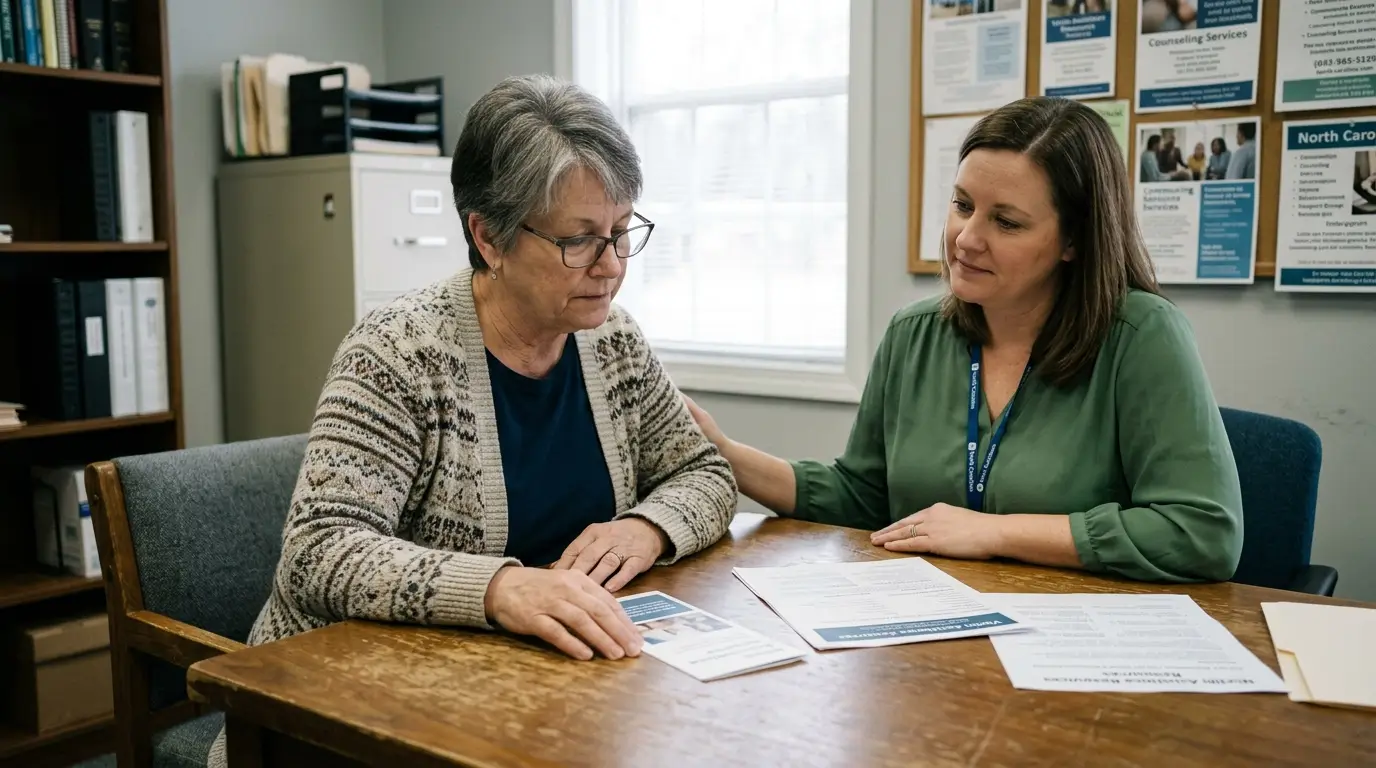
Trauma cannot be undone with money, though money can help you receive the finest care possible. In North Carolina church abuse lawsuit settlements, there are payments for medical bills and therapy expenses as compensation for damage caused by church abuse.
They also include compensation for “pain and suffering.” Some of these children may require special schools or additional mental health treatment to help them recover from this abuse. The PTSD compensation amount depends on how serious the defendant’s actions were, and will depend on how bad the defendant’s conduct was. Our objective is to settle your claim for an amount that will take care of your child’s damages and future.
| Type of Recovery | What It Covers |
| Economic Damages | Therapy, medical bills, and future lost wages. |
| Non-Economic Damages | Emotional distress and loss of quality of life. |
| Punitive Damages | Money was meant to punish the church for extreme neglect. |
Defining a Safe Home and Parental Fitness in NC
The home is where safety begins. North Carolina’s legal system classifies a parent as unfit based on predetermined characteristics.
How can a parent in NC be determined to be unfit? Certain actions make a parent unfit, including substance abuse and a lack of providing basic needs. The term “failure to protect” also applies; for example, if a parent is aware of the abuse of a child and does not report it, this parent may lose custody of that child.
Are there different types of neglect? There are 5 sub-types of neglect: Physical neglect, medical neglect, supervisory neglect, emotional neglect, and educational neglect.
The 3-3-3 and 7-7-7 Rules for Healing
It can take a considerable amount of time for individuals who have experienced sexual abuse to recover; the 3-3-3 rule is a guideline used by professionals to help support children through adjustment. It takes approximately three days to decompress after experiencing a crisis, three weeks to learn and successfully adjust to a new routine, and three months to feel safe and secure in their new environment.
Additionally, when parenting after abuse, the 7-7-7 rule can help build the child’s trust in the parent. The 7-7-7 rule consists of three daily six-minute blocks of quality time: one after waking, one after school, and one before bed. These time frames are short but provide valuable opportunities to communicate.
How Much Child Support Will I Pay if I Make $1000 a Week?
One factor affecting child safety is financial stability. For example, if you make $1,000 a week, that is approximately $4,333 per month (i.e., in North Carolina, there is an income-sharing system). Support for one child can range from approximately $650 to $850 and will vary depending on the other parent’s income.
Support also includes health insurance and childcare costs. In addition, North Carolina frequently updates these guidelines to reflect changes in the cost of living since accurate determinations ensure that the child will have adequate support from each parent, regardless of which parent the child resides with.
Case Study: Church Negligence and Child Abuse Claim in North Carolina
By Attorney Robert Tatum
A minor was sexually abused by an adult volunteer at a church’s youth group in North Carolina. The adult volunteer had several prior behavioral red flags reported by others to church leadership. The church denied responsibility for the abuse, stating it did not have knowledge of the risk and that it had sufficient supervision procedures in place.
We began by identifying the potential failures of the church with regard to negligence related to child abuse and the conduct of its volunteers. We first checked for gaps in the church’s conduct regarding background checks, significant member complaints that were ignored, and inadequate supervision of volunteers during youth activities. We proved through both internal documentation, testimony of witnesses, and reports of abuse that there were violations of the church’s duty to report child abuse.
We then worked with experts to determine what long-term psychological harm and future support or treatment would be needed by the minor. The damages were assessed for things such as therapy, emotional trauma, and long-term care and support in order to create a solid case for child sexual abuse in North Carolina.
Result:
Evidence of institutional negligence in failing to protect children from abuse was established, resulting in a confidential settlement that included payment of the survivor’s medical care, therapy, and long-term emotional support without the need to go to trial.
Justice and Healing with Tatum & Atkinson Law Firm
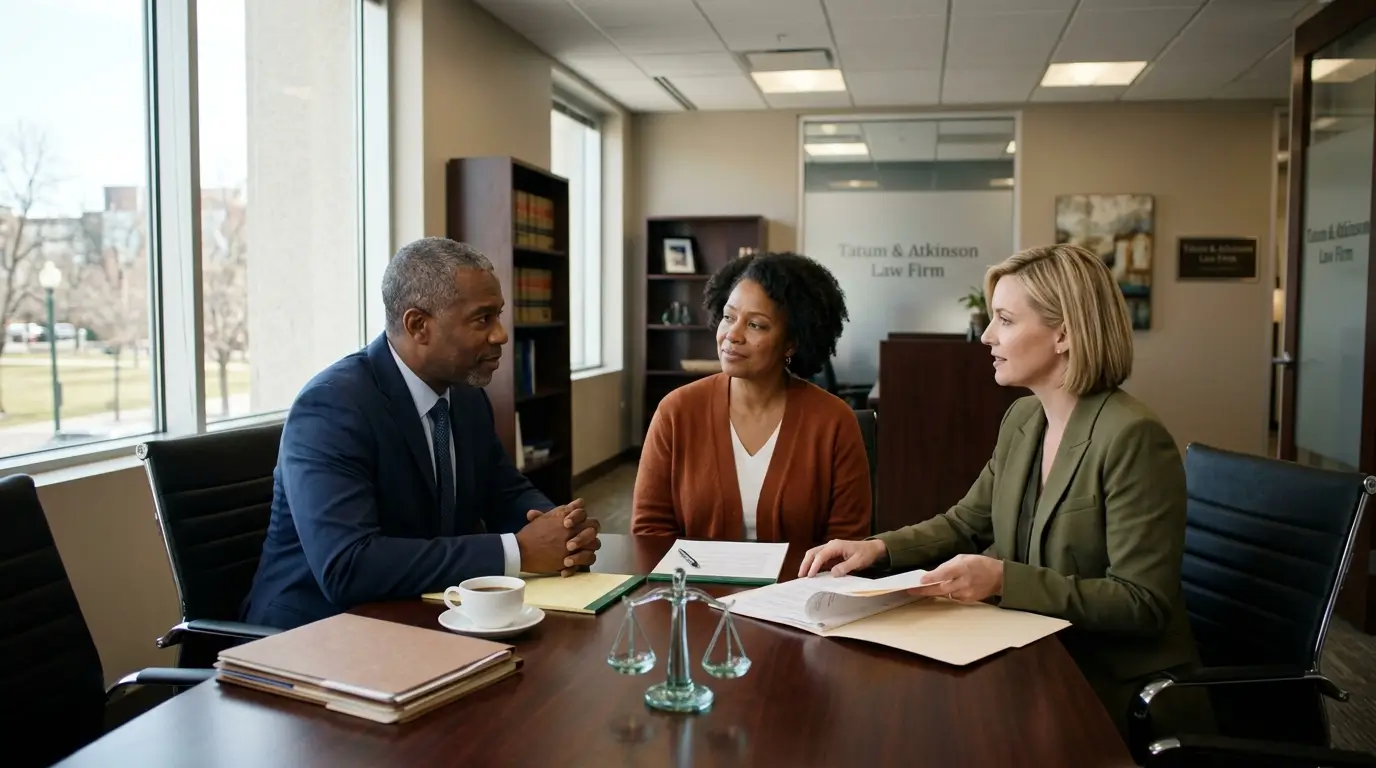
If you are confronting a church after being harmed, it may seem too big an undertaking and should not solely fall on you. We understand how these organizations protect themselves from bad publicity.
At Tatum Atkinson, we use the law to help you break through the silence behind the scenes with legal action by locating all of the documents that have been concealed. interviewing those who have information about what has occurred, and helping your child get their voice heard so that the church may be forced to listen.
For support, contact us at (800) 529-0804 today for a free consultation to discuss your case confidentially.
FAQs – What Happens If My Child Is Sexually Hurt By Someone In Our Church In NC?
What happens if the church knew about prior abuse allegations?
Should there have been prior awareness by the church, there would be significant liability to support your claim; the case would then become one demonstrating institutional negligence rather than simply an incident. Such evidence helps establish that the church acted in favor of its image rather than the safety of your child, as a result of its choice.
Can churches be sued for failing to protect children in NC?
Yes, just like every child-serving organization, churches must have policies in place for safety and security. If they did not have procedures that require there to be two adults present when children were present, then they can be held liable; this has been the basis of almost all clergy sexual abuse cases in North Carolina.
How do North Carolina courts handle clergy abuse cases?
Courts now treat these cases with more transparency. The old days of “charitable immunity” are mostly gone. Judges focus on the safety of the minor. They look at the facts of the child sexual abuse claims North Carolina.
Can abuse survivors stay anonymous in North Carolina lawsuits?
Absolutely! We typically file cases under a “Jane” or “John Doe” designation to protect someone from public exposure. You can still proceed with the legal process without making your family’s name public.
Should I hire a North Carolina church abuse lawyer?
Yes, a lawyer experienced in clergy abuse, particularly as it relates to state laws and/or a church’s insurance, will be able to use laws relevant to protecting the church’s assets. A lawyer protecting the individual’s interests only will serve as an advocate in your child’s pursuit of justice.
